Rosé Wine for Summer, Explained: Styles, Regions, and What to Pour
Rosé accounts for more than 60 percent of pink wine sales in the United States, and that share climbs even higher between May and September. The category covers an enormous range, from bone-dry Provençal pinks to fruit-forward California bottles and structured Italian rosatos. This guide maps the styles, regions, and price tiers worth knowing so you can pick the right bottle for any warm-weather occasion, and for the cooler months that follow.
Rosé at a Glance
Rosé gets its pink color from red grape skins. When red grapes are crushed, the juice sits in contact with the skins for a short period, anywhere from a few hours to a couple of days. The longer that contact lasts, the deeper the color and the more texture the wine picks up. A very short soak produces pale, delicate rosé. A longer soak produces deeper pinks with more body and flavor. This skin contact time is called maceration (mah-seh-RAY-shun), and it is the single biggest factor in how a rosé looks and tastes.
Skin contact vs. direct press: Two main methods produce rosé. In the short maceration method, juice rests with red grape skins briefly before being drained off and fermented. In the direct press method, red grapes are pressed immediately, giving the juice minimal skin contact and producing the palest, most delicate styles.
One question comes up more than any other with rosé: is it sweet or dry? Most rosé sold today is dry, meaning it has very little residual sugar (the natural grape sugar left after fermentation). Dry wines taste crisp and refreshing rather than sugary. Some rosés do carry a touch of sweetness, but labels rarely spell this out. As a general rule, pale Provençal-style rosés are almost always dry, while deeper-colored rosés can go either way. The grapes used in rosé span a wide range: Grenache, Cinsault, Syrah, Mourvèdre, Pinot Noir, and Sangiovese all make excellent pink wines. For a deeper look at the category, see our rosé basics.
How Rosé Tastes (And Why It Varies)
Color is your first clue at the shelf. Pale, salmon-tinted rosés tend to taste lighter, with citrus, white peach, and mineral notes. Deeper pink and coral rosés lean toward red berries, spice, and a fuller mouthfeel. This spectrum exists because of two main factors: the grape variety used and how long the juice spent with the skins. Both shape the flavor profile you will find in the glass.
Region matters here, too. A pale Provençal rosé made from Grenache (also called Garnacha in Spain) will taste different from a deeper-hued California rosé made from the same grape, because climate, soil, and winemaking traditions all play a role.
How Grape Variety Shapes the Glass
Grenache/Garnacha: Strawberry, watermelon, and citrus zest. Grenache-based rosés are the backbone of Provence pinks and tend toward a round, easygoing style
Pinot Noir: Cherry, red currant, and earthy undertones. Pinot Noir rosés often have a more delicate structure with bright acidity
Syrah/Shiraz: Darker fruit, black pepper, and savory herbs. Syrah-based rosés carry more weight and pair well with grilled foods
Sangiovese: Tart cherry, fresh herbs, and a mineral streak. Italian rosatos made from Sangiovese are lean, food-friendly wines built for the dinner table
Rosé by Region: Where Summer Pinks Come From
Each major rosé-producing region has its own personality, shaped by climate, grape varieties, and local winemaking traditions. Knowing where a rosé comes from gives you a reliable preview of how it will taste.
1. Provence, France
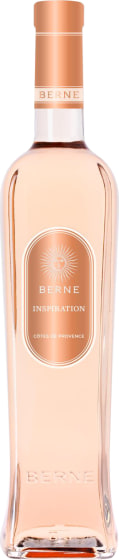
Provence sets the global benchmark for dry rosé. The region's pale, salmon-colored wines are built on blends of Grenache, Cinsault, Syrah, and Rolle (the local name for Vermentino). The direct-press method is common here, producing wines with a translucent, barely-there pink hue. In the glass, you will find citrus, white peach, and a distinctive herbal quality called garrigue, a savory note that comes from the wild herbs (rosemary, thyme, lavender) growing alongside the vineyards.
Provençal rosé is dry, meaning it finishes crisp and clean with no lingering sweetness. These are aperitif wines by design: pour one before dinner with olives and almonds, or alongside grilled seafood on a warm evening. The region's limestone soils and Mediterranean climate give even the lightest bottles a mineral backbone that keeps them refreshing. Provence rosé
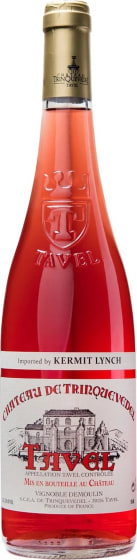
The Southern Rhône Valley produces rosés with more body and depth than their Provençal neighbors. Tavel, a small appellation about ten miles from Châteauneuf-du-Pape, is the most notable example. Tavel is the rare appellation that produces only rosé, no red or white wine at all. The wines are watermelon-colored, robust, and carry a touch of tannin (that gentle drying sensation on your tongue) that you would not find in a typical Provence pink.
Grenache leads the blends here, supported by Mourvèdre and Cinsault. The result is a rosé with enough structure to stand up to grilled lamb, sausages, and hearty summer salads dressed with vinaigrette. If you enjoy fuller-bodied reds but want something lighter for warm weather, Southern Rhône rosé is a natural bridge.
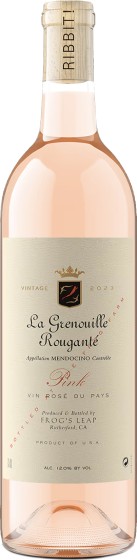
California rosé tends toward riper fruit and a rounder body compared to French styles. Grenache, Pinot Noir, and Syrah are the primary grapes, and warmer growing conditions give the wines more immediate fruit presence: think ripe strawberry, peach, and melon rather than the restrained citrus of Provence. Sonoma County and the Central Coast have emerged as strong sources for well-made dry rosé.
These are crowd-pleasing wines for backyard barbecues and casual get-togethers. They pair well with grilled chicken, corn on the cob, and anything off the smoker. If you are shopping for a large group and want something broadly appealing, California rosé is a reliable starting point.
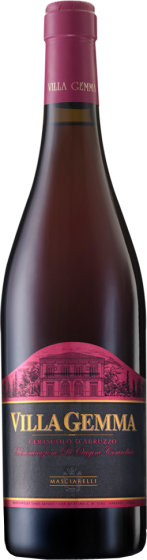
Italy's rosato tradition is deep and varied. In Abruzzo, Montepulciano grapes produce Cerasuolo d'Abruzzo, a full-bodied, dry pink with bright cherry and savory depth. In the Veneto, Bardolino Chiaretto (kee-ah-RET-oh) offers a lighter, mineral-driven style from the shores of Lake Garda. Tuscany contributes rosatos from Sangiovese with herbal, tart cherry character.
Italian rosatos share one common thread: they are made for the table. Bright acidity and savory notes make them natural companions for pasta with tomato sauce, antipasti platters, and grilled vegetables. If you enjoy food-first wines with personality, Italian rosato deserves a spot on your shortlist.
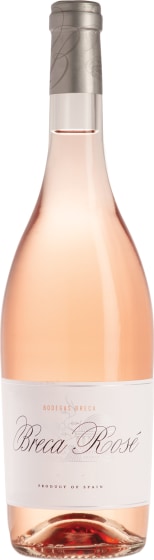
Spanish rosados, built primarily on Garnacha (the Spanish name for Grenache), tend to show bolder color and more structure than French pinks. Navarra and Rioja are the two key regions. Some producers age their rosado briefly in oak, adding a round, slightly creamy texture. These wines pair well with tapas, grilled vegetables, and cured meats like jamón.
A $12 rosé and a $40 rosé can both be excellent, but they deliver different things. The gap comes down to where the grapes are grown, how selective the harvest is, and how much of the wine gets made. Here is what to expect at each level.
1. Under $15: Everyday Pours
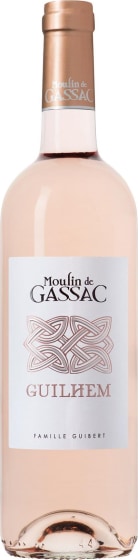
At this price, look for bright, uncomplicated rosé built for easy drinking. These wines come from larger-production estates that can keep costs low by farming at higher yields, often harvesting 4–6 tons per acre across broad regional appellations. The result is clean, fruity, and refreshing, perfect for a Tuesday evening on the patio or a cooler full of bottles at a pool party. Moulin de Gassac from southern France and Zenato from Italy's Lake Garda both deliver consistent quality at this tier.
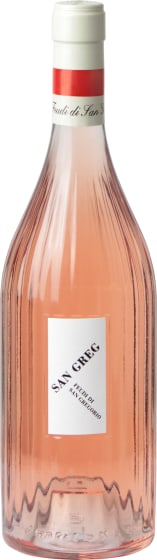
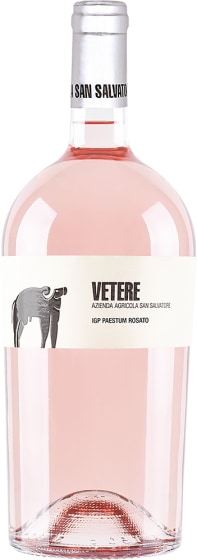
Stepping up to this range buys more complexity, better acidity, and site-specific character. Producers here tend to farm at lower yields from more defined growing areas, and the wines show it: you will notice more layered flavors, a longer finish, and more texture in the glass. This is the tier where rosé starts to reward the kind of attention you would give a good white wine. Feudi di San Gregorio and San Salvatore from Campania show what careful grape selection and moderate production can deliver.
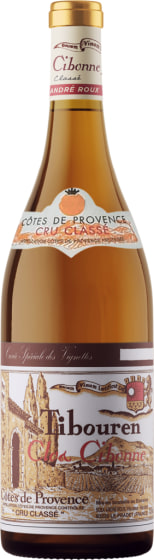
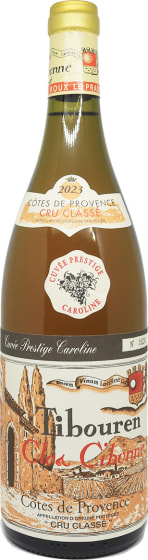
Premium rosé prices reflect scarcity and site specificity. Single-vineyard bottlings typically yield 1–2 tons per acre versus 4–6 tons for broader regional blends, concentrating flavor in every cluster. Many premium estates require minimum vine ages of 15–25 years for their flagship bottlings, because older vines produce fewer, more intensely flavored grapes. Clos Cibonne, a Provence estate specializing in the rare Tibouren grape, produces rosé in small quantities from old vines with extended aging. The result is a rosé with uncommon depth, texture, and cellar potential.
Cotes de Provence, Provence, South of France, France ● Rosé
92 Wine Spectator
Sold Out - was $69.00
What to Eat with Rosé
Rosé's range of styles means it pairs with a wider variety of foods than most people expect. The key is matching the weight of the wine to the weight of the dish: lighter rosé with lighter fare, fuller rosé with heartier plates.
Grilled shrimp and shellfish: Pale, dry Provençal rosé mirrors the delicacy of seafood without overpowering it. Serve both well chilled
Grilled chicken and sausages: Medium-bodied rosé from California or the Southern Rhône has enough fruit and body to match smoky, charred flavors
Summer salads: A crisp, mineral-driven rosé (Provence or Bardolino Chiaretto) cuts through vinaigrette-dressed greens and pairs well with goat cheese or fresh mozzarella
Cheese and charcuterie: Fuller rosé from Tavel or Spain stands up to aged cheeses, cured meats, and olives. The wine's structure and savory notes complement the salt and fat on the board
Pasta with tomato-based sauces: Italian rosato, with its bright acidity and herbal edge, is a natural match for marinara, puttanesca, and caprese salads
Grilled vegetables: Zucchini, peppers, and eggplant off the grill pair well with nearly any dry rosé. The wine's fruit balances the char, and its acidity keeps the palate fresh
Beyond Summer: Rosé for Every Season
Rosé is a year-round wine, and limiting it to summer means missing some of its best pairings and styles. The category includes wines with enough body and complexity to complement cool-weather dishes, and adjusting the style and serving temperature by season makes rosé work at any table.
In spring, lighter rosés pair well with asparagus, fresh peas, and herb-driven dishes. Floral, Grenache-based styles from Provence complement the season's produce without overwhelming it. As autumn arrives, reach for fuller rosé from the Southern Rhône or Bandol. These wines have the weight to match roasted root vegetables, braised pork, and mushroom risotto.
Winter calls for the most structured rosés in the category. Tavel, with its deeper color and gentle tannin, pairs with slow-cooked stews, cassoulet, and rich, braised meats. These are serious wines that happen to be pink, and they deliver warmth and substance at the table. Italian Cerasuolo d'Abruzzo works here, too, holding its own alongside hearty pasta dishes and aged cheeses.
Serving temperature should shift with the season. In summer, chill rosé to 45–50°F for maximum refreshment. In cooler months, serve it slightly warmer, around 50–55°F, to let more complex aromas and flavors emerge. A few minutes out of the refrigerator before pouring is all it takes.
Rosé Questions, Answered
Is Rosé Wine Sweet or Dry?
Most rosé on the market today is dry. Dry means the wine has very little residual sugar, so it tastes crisp and refreshing rather than sugary. Pale pink rosés from Provence, the Southern Rhône, and Italy are almost always fully dry. Some rosés, particularly those labeled "White Zinfandel" or certain bottles from sweeter-leaning producers, do carry noticeable sweetness. If sweetness level is not listed on the label, look for "sec" (French for dry) or ask a wine shop staffer for guidance.
How Is Rosé Wine Made?
Rosé is made from red grapes, but the juice spends far less time in contact with the grape skins than it would for a red wine. This short skin contact, called maceration, extracts just enough color to turn the juice pink while keeping tannin levels low. The other common method is direct pressing, where red grapes are pressed immediately and the juice picks up only a faint blush of color.
What's the Difference Between Provence Rosé and Other Rosés?
Provence rosé is pale, dry, and mineral-driven, with a citrus-and-herb profile that distinguishes it from rosés made elsewhere. The region's winemakers favor the direct-press method, which produces the lightest possible color and a delicate texture. Rosés from other regions, such as Tavel, California, or Spain, tend to be deeper in color and fuller in body, with more fruit intensity and sometimes a touch of tannin. The difference comes down to grape varieties, climate, and winemaking approach.
How Cold Should Rosé Be When You Serve It?
Serve rosé between 45°F and 55°F. For light, pale styles, aim for the colder end of that range (45–50°F). For fuller-bodied rosé you plan to serve with a meal, let it warm slightly toward 50–55°F so the aromas can open up. About 30 minutes in the refrigerator before serving gets most bottles to the right temperature.
What Are the Best Rosé Wines Under $20?
Rosé under $20 delivers excellent value across several regions. Look for bottles from Côtes de Provence, where high production volumes keep prices accessible without sacrificing quality. Southern French blends from the Languedoc and Pays d'Hérault offer bright, clean rosé at this price point. Italian options like Bardolino Chiaretto from the Veneto and entry-level Cerasuolo d'Abruzzo also fall in this range. Spanish rosados from Navarra round out the field with bold flavor and reliable structure.
Picking Your Rosé
For a weeknight aperitif or poolside refreshment, pale Provençal rosé served well chilled is a reliable choice. When you are grilling for a group, California or Southern Rhône rosé has enough body to match the food and the occasion. For a dinner party with multiple courses, Italian rosato or a structured Tavel gives you the acidity and complexity to carry through the meal.
Try working through the regions and price tiers covered in this guide. Pour a pale Provence pink alongside a deeper Tavel and taste them side by side. Open a $12 bottle from the Languedoc next to a $35 single-vineyard Provençal rosé and compare what the price difference buys. Each comparison builds your sense of what you enjoy most.
Browse Rosé wines at Wine.com to explore the full range of styles, regions, and price points covered here. Every bottle ships directly to your door.