How To Choose Rosé Under $20: Regions, Styles, and Value
Rosé accounts for roughly 90% of all wine production in Provence, yet the category's best values often come from regions most shoppers never consider. The under-$20 tier delivers genuine quality, not watered-down compromise. From pale, mineral-driven Provençal rosé to juicy Garnacha-based Rosados from Spain, the range of styles available at this price point is wider than most wine aisles suggest.
Rosé Under $20 at a Glance
Rosé under $20 is one of wine's most reliable sweet spots for quality per dollar. The economics work in the buyer's favor because most rosé skips the expensive steps that drive up red wine prices. There is little to no oak aging, which eliminates the cost of barrels entirely. A standard 225-liter barrel holds about 300 bottles, and at $800–$1,200 per barrel, that oak program alone can add several dollars per bottle. Rosé sidesteps that cost almost entirely.
Early release schedules also keep prices down. Most rosé hits shelves within months of harvest, so producers avoid the carrying costs of extended cellar aging. High-volume regions like Languedoc, Navarra, and parts of Southern Italy produce enormous quantities of quality fruit at lower per-acre costs, and those savings pass directly to the shelf price.
Two production methods dominate at this tier. Direct pressing extracts juice from red grapes with minimal skin contact, producing pale, delicate wines. Saignée (French for "bleeding") draws juice from a red wine tank early in fermentation, yielding deeper color and fuller body. Both methods appear across the under-$20 range, and neither is inherently better. Direct-press rosé tends toward crisp minerality, while saignée bottlings lean richer and more fruit-forward.
How To Read the Label Before You Buy
A quick label check saves you from buying a wine that does not match what you want. Four details matter most:
Vintage year: Look for the current year or the year prior. Rosé is built to drink fresh, and older bottles lose their vibrancy
ABV (alcohol by volume): Most quality dry rosé falls between 11.5% and 13.5%. Below 11% often means residual sweetness, and above 14% suggests a heavier, less refreshing style
Region of origin: Provence, Languedoc, Navarra, and Côtes du Rhône are reliable indicators of dry, food-friendly rosé at this price
Dry vs. sweet indicators: If the label says "dry" or lists residual sugar under 4 grams per liter, expect a crisp, savory wine. Terms like "off-dry," "demi-sec," or residual sugar above 10 g/l signal noticeable sweetness
Rosé by Region: Where the Value Is
Region is the single most reliable predictor of what a rosé under $20 will taste like. A Provençal bottle and a Spanish Rosado may share a shelf, but they deliver very different experiences in the glass. Knowing even the basics of five key regions gives you a shortcut past guesswork.
1. Provence, France
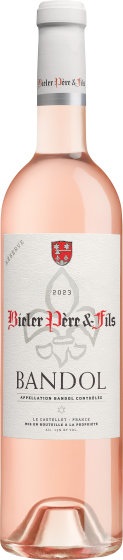
Provence sets the global benchmark for dry rosé. The wines are pale, often barely tinted with salmon or peach hues, and they lean mineral and restrained. Grenache, Cinsault, and Mourvèdre form the backbone of most blends, with Cinsault contributing delicacy and Mourvèdre adding spine. Côtes de Provence covers nearly 50,000 acres of vineyards, and the appellation's sheer scale means entry-level bottles are widely available.
Under $20, expect clean, dry rosé with flavors of white peach, citrus zest, and a faint herbal quality. Coteaux d'Aix-en-Provence offers a similar profile at slightly softer prices. These wines are not complex collectors' items, but they are consistent, refreshing, and built for warm-weather drinking.
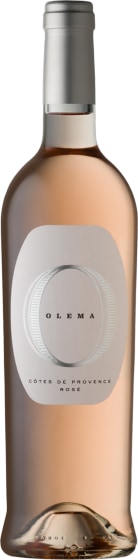
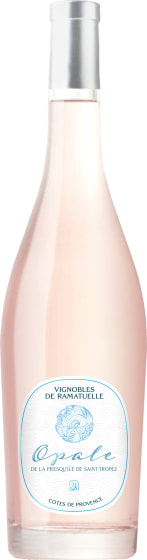
Cotes de Provence, Provence, South of France, France ● Rosé
91 Wilfred Wong
Sold Out - was $25.00
2. Languedoc and Southern Rhône, France
Languedoc and the Southern Rhône represent the best pure-value play in French rosé. The grape varieties overlap with Provence, primarily Grenache and Syrah, but land costs and appellation prestige are lower. The result is wines that taste like Provence at a friendlier price.
Côtes du Rhône rosé tends to show ripe strawberry and garrigue, with a slightly rounder mouthfeel than Provençal counterparts. Languedoc IGP bottlings often deliver bright acidity and melon alongside red fruit. Single-vineyard bottlings in these regions typically yield 1–2 tons per acre versus 4–6 tons for broader regional blends, which explains why some bottles punch above their price tier even at $12 or $13.
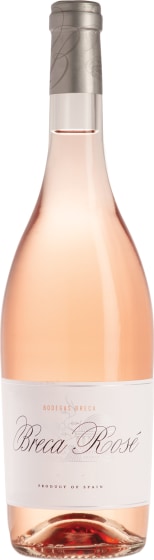
Spanish Rosado delivers some of the most reliable value under $20. Navarra built its modern reputation on rosé wine, and Garnacha (known as Grenache in France) is the star grape. Tempranillo often plays a supporting role, adding structure and depth. The wines are dry, fruit-forward, and generous in a way that French rosé rarely matches at this price.
Expect flavors of ripe raspberry, watermelon, and a touch of dried herb. Rioja Rosado leans slightly more savory, with earthy undertones from Tempranillo-dominant blends. Both regions produce rosé that works as well on its own as it does alongside grilled food. At $10–$15, Spanish rosé is hard to beat for everyday drinking.
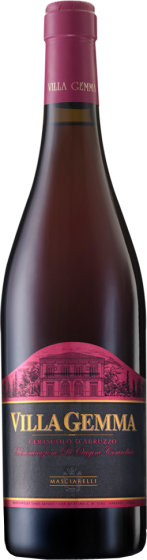
Italian rosato is the category's best-kept open secret. Cerasuolo d'Abruzzo, made from Montepulciano grapes, delivers savory, food-friendly rosé with cherry and almond notes. Bardolino Chiaretto from the Veneto region offers a lighter, crisper style with hints of wild strawberry and white pepper. Sicilian rosato rounds out the options with ripe stone fruit and a coastal salinity.
These wines tend to be drier and more structured than their French and Spanish counterparts, which makes them natural partners for charcuterie, grilled vegetables, and pasta with light sauces. Italy's rosato tradition predates the Provençal rosé boom by decades, yet the category remains underpriced. Most bottles land between $10 and $16.
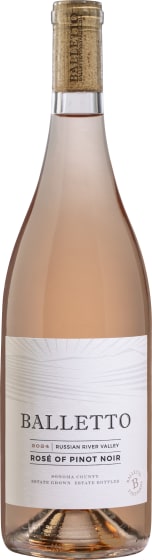
American rosé under $20 plays by different rules. California and Oregon lean on Pinot Noir as the base grape, producing wines with richer body and bolder fruit than most European rosé. Washington State contributes Syrah-based rosé with darker color and a peppery edge. The style overall reads as more generous and less restrained.
In the $15–$20 range, domestic rosé delivers serious quality. Expect ripe strawberry, watermelon rind, and citrus from Pinot Noir bottlings, with Syrah-based versions showing plum and cracked black pepper. Oregon's Willamette Valley has emerged as a standout source, producing rosé with the acidity and precision of its Pinot Noir reds. These wines bridge the gap between European elegance and New World ripeness.
The flavor spectrum at this price tier runs from bone-dry Provençal minerality to juicy New World berry. Understanding where a bottle falls on that range matters more than brand or label design. Region, grape variety, and production method each push the flavor in a predictable direction.
Dry rosé dominates the under-$20 market. Most bottles from Provence, Languedoc, Navarra, and Italy clock in under 4 grams per liter of residual sugar. At this level, you taste fruit flavors without actual sweetness: citrus, stone fruit, and red berries read as flavor rather than sugar. Off-dry rosé exists in this tier too, particularly from California and some Languedoc producers, but it is the exception rather than the rule.
At the $10–$15 range, expect clean, straightforward fruit and bright acidity. Wines at this price tend to be direct-press bottlings with minimal winemaking intervention. Step up to $15–$20, and you often get more texture, slightly more complex aromatics, and better balance between fruit and structure. The difference is incremental, not transformative. A well-made $12 Languedoc rosé can outperform a forgettable $18 bottle from anywhere.
Rosé Under $20 at the Table
Rosé's real strength under $20 is its versatility at the dinner table. The category covers enough stylistic ground to match almost any warm-weather meal, and a few colder-weather ones too.
Grilled seafood and vegetables: Light Provençal and Languedoc rosé, with their mineral backbone and citrus notes, complement grilled shrimp, fish tacos, and charred zucchini without overpowering delicate flavors
Charcuterie and soft cheese: Southern French and Italian rosato bring enough savory structure to stand up to salami, prosciutto, Brie, and fresh mozzarella
Barbecue and spiced dishes: Bolder Spanish Rosado and domestic Pinot Noir rosé have the fruit weight and body to match pulled pork, grilled chicken with spice rubs, and dishes with mild heat
Weeknight pasta and salads: Nearly any dry rosé works here. Match lighter pasta dishes (aglio e olio, primavera) with Provençal styles, and heartier red-sauce pastas with Italian rosato or Spanish Rosado
Serve all rosé between 45°F and 55°F. Lighter Provençal styles taste best at the cooler end of that range, and fuller-bodied domestic or Spanish bottles open up closer to 55°F. If you store rosé in the fridge long-term, pull it out 10 minutes before pouring. Too cold mutes the aromatics and flattens the texture.
Quick Answers on Rosé Under $20
What Is a Good Inexpensive Rosé?
The best inexpensive rosé comes from regions where production costs are naturally low. Languedoc IGP, Navarra, and Côtes du Rhône consistently deliver quality between $10 and $15. Look for bottles from the current or prior vintage, with ABV between 12% and 13%. These regions offer the kind of value where the price reflects efficient production, not lower quality.
How Do I Tell if a Rosé Is Dry or Sweet?
Check the back label for residual sugar. Anything under 4 grams per liter qualifies as dry wine. Some labels use the term "dry" outright, and French labels that say "sec" or "brut" indicate dryness. If the label does not list sugar content, ABV can serve as a rough guide: wines at 12.5% and above are almost always dry, and bottles under 11% are more likely off-dry or sweet. Color is not a reliable indicator of sweetness.
Should Rosé Be Chilled?
Rosé tastes best served cold, between 45°F and 55°F. Lighter, Provençal-style rosé benefits from the lower end of that range, and fuller-bodied styles from Spain or California open up at slightly warmer temperatures. Avoid serving rosé at room temperature, where the alcohol dominates and the freshness disappears. A standard refrigerator runs around 38°F, so pulling a bottle out 10–15 minutes before pouring puts it in the ideal window.
Is Expensive Rosé Actually Better?
Expensive rosé (above $25–$30) often reflects site-specific sourcing, lower yields, and name recognition more than a dramatic leap in quality. The under-$20 tier consistently delivers enjoyable, well-made wine that drinks as well at dinner as a bottle twice the price. Where premium rosé distinguishes itself is in texture and complexity: finer grain, more layered aromatics, and a longer finish. For everyday drinking and casual entertaining, the under-$20 range covers the territory most people actually need.
Does the Color of Rosé Indicate Quality?
No. Color reflects skin contact time, grape variety, and production method. Pale rosé is not inherently better than deeply colored rosé. Provence's famous pale style comes from brief skin contact with thin-skinned grapes like Cinsault and Grenache. A darker Cerasuolo d'Abruzzo from Montepulciano grapes gets its color from the grape itself, not from lesser winemaking. Choose based on flavor preference and food pairing, not visual appearance.
Your Next Bottle
Provençal rosé at $15 handles a weeknight fish dinner. Spanish Rosado at $12 stands up to a backyard cookout. Italian rosato at $14 matches a charcuterie board better than most wines twice the price. These are the kinds of specific matches that make rosé under $20 a practical category, not a budget compromise.
Try a bottle from a region you have not explored yet. If Provence is your default, pick up a Cerasuolo d'Abruzzo or a Navarra Rosado and compare them side by side. The differences in style, weight, and flavor will sharpen your sense of what you prefer, and the price point makes the experiment painless.