Pinot Noir Regions, Explained: Styles, Climates, and What to Try
Pinot Noir is a cool-climate grape that expresses place more transparently than most red varieties. Where it grows shapes almost everything about how it tastes, from the color in your glass to the flavors on your palate. The same grape planted in Burgundy's limestone soils and Oregon's volcanic basalt produces two wines you might not recognize as relatives.
Pinot Noir at a Glance
Pinot Noir is a thin-skinned grape that thrives in cool climates. Compared to bolder reds like Cabernet Sauvignon, it produces wines with lighter body, lower tannins (the drying sensation you feel on your tongue and cheeks, like strong tea), and brighter acidity. Those qualities make it one of the most food-friendly red wines you can pour.
What sets Pinot Noir apart is how clearly it reflects where it grows. Winemakers use the word "terroir" to describe how climate, soil, and geography shape a wine's flavor, and no grape translates terroir into the glass quite like Pinot Noir. A bottle from cool, foggy Oregon tastes noticeably different from one grown in the sun-warmed hills of Central Otago, New Zealand, even though both are made from the same grape.
You will also see Pinot Noir under different names depending on the country. In Germany, it is called Spätburgunder. In parts of northern Italy, you may find it labeled Pinot Nero. These are all the same variety, just grown in different soils and climates. Burgundy, in eastern France, is the grape's ancestral home, and the region's strict rules often require 100% Pinot Noir in its red wines. That single-varietal tradition has set the benchmark for winemakers across every continent where Pinot Noir now grows.
Pinot Noir by Region
A Burgundy Pinot Noir might remind you of forest floor and dried mushrooms, with a savory, lingering finish. An Oregon bottling from the same grape could land closer to fresh cranberry and pomegranate, with a spice note like cola on the edges. If those sound like two different wines, that is the point: when people talk about tasting "place" in wine, Pinot Noir is the grape that makes the concept concrete.
1. Burgundy, France
Burgundy is the ancestral home of Pinot Noir, and its vineyards have been cultivated for over a thousand years. The region's limestone and clay soils produce wines with earthy complexity, red fruit, and a savory depth that few other places can replicate.
For readers who want to go deeper into Burgundy's legacy with Pinot Noir, Wine.com's Essential Pinot Noir Guide covers the grape's full story. Entry-level Bourgogne, the broadest regional designation, starts under $25, making it a genuine gateway to Burgundy character without a steep price tag. Top Burgundy vineyards yield as little as 35 hectoliters per hectare versus 60 or more for regional appellations, which is one reason prices climb quickly once you move up the classification ladder.
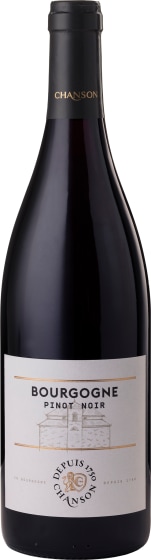
Beaune, Cote de Beaune, Cote d'Or, Burgundy, France ● Pinot Noir
93 Decanter
92 James Suckling
92 Robert Parker
91 Wilfred Wong
90 Wine Spectator
Sold Out - was $74.99
2. Oregon (Willamette Valley)
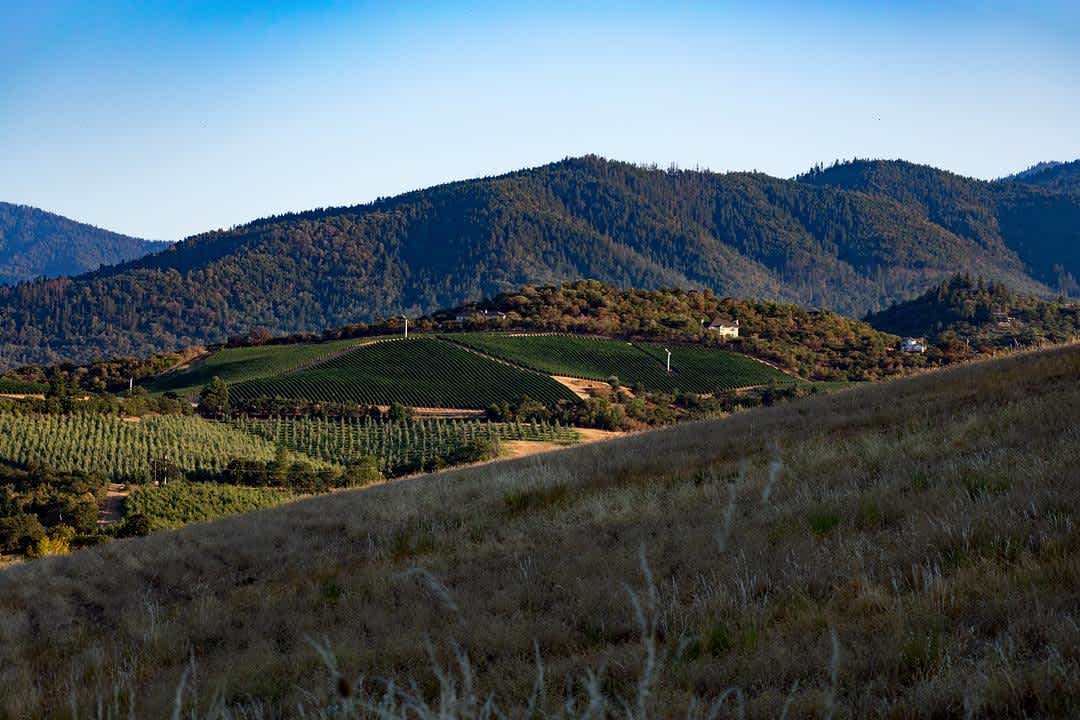
Oregon's Willamette Valley has established itself as one of the world's premier Pinot Noir regions. The valley sits on a mix of volcanic basalt soils, marine sedimentary sandstone and siltstone, and windblown loess, each contributing different mineral and textural qualities to the wines. Cool, cloudy summers keep acidity fresh and alcohol moderate.
The style here bridges Burgundy's earthiness with brighter fruit character. Expect cranberry, pomegranate, and cola spice alongside a subtle forest-floor undertone. Oregon Pinots tend to be softer and fruitier than their European counterparts, maturing earlier in the bottle, but they carry more earth and structure than many other New World versions. An AVA (American Viticultural Area, the US system for naming wine regions) like Dundee Hills or Eola-Amity Hills within the Willamette Valley can further narrow the style profile. The region offers excellent value, with strong options in the $20 to $50 range that deliver complexity without the premium Burgundy commands.
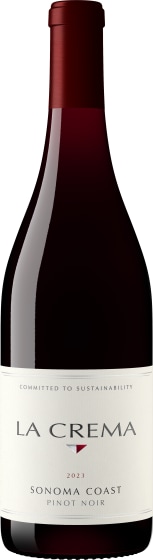
3. California (Sonoma Coast and Russian River Valley)
California is often associated with big, powerful Cabernet Sauvignon, but the state's cooler pockets produce Pinot Noir with real finesse and personality. Two areas in Sonoma County stand out for the grape: Russian River Valley and the Sonoma Coast AVA.
Russian River Valley benefits from fog that rolls in from the Pacific each evening, cooling the vineyards and preserving acidity. The wines lean toward dark cherry, plum, and baking spice, with a round, generous texture. Sonoma Coast covers a vast stretch of terrain, and its coolest reaches, closest to the ocean, produce leaner, more mineral-driven Pinot Noirs with red-berry brightness and lifted aromatics. Further south, Monterey County and Santa Barbara County (particularly the Sta. Rita Hills) also grow compelling California Pinot Noir in their own coastal-influenced microclimates. California Pinot Noir hits a sweet spot for value, with strong bottles in the $15 to $40 range.
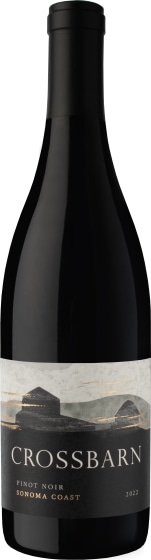
Sonoma Coast, Sonoma County, California ● Pinot Noir
90 Wine Enthusiast
$28
$19.97
4. New Zealand (Central Otago and Martinborough)
New Zealand's Pinot Noir story began in earnest in the 1980s, when a government-commissioned study identified soils in Martinborough that were geologically similar to Burgundy's. That finding sparked a planting boom, and Pinot Noir is now one of New Zealand's most important red varieties.
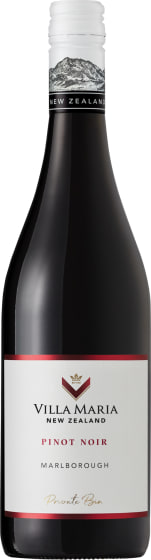
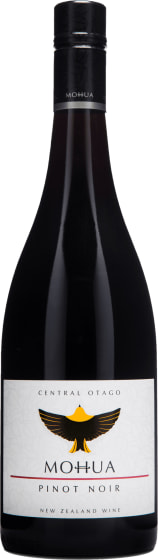
Central Otago, on the South Island, is the world's southernmost major wine region. High altitude and wide day-to-night temperature swings concentrate flavors, producing wines with vivid red fruit, spice, and a silky texture. Martinborough, on the North Island, sits in a rain shadow that keeps conditions dry during harvest. Its wines tend to be more restrained and structured, closer to Burgundy in feel, with earthy undertones beneath the fruit. Marlborough, better known for Sauvignon Blanc, also produces fruitier Pinot Noir with cherry and pomegranate notes, and Canterbury rounds out New Zealand's Pinot Noir map. Across these regions, expect fruit-forward wines with vibrant acidity that are approachable when young. Quality starts in the $18 to $30 range.
Germany is the world's third-largest producer of Pinot Noir, a fact that surprises many wine drinkers. Here the grape goes by its German name, Spätburgunder, and grows primarily in the warmer southern regions of Baden and Pfalz.
German Pinot Noir tends toward lighter body, high acidity, and delicate red berry fruit with earthy, sometimes smoky undertones. The style rewards patience at the table: these wines shine alongside roasted poultry, charcuterie, and mushroom-based dishes where a heavier red would overwhelm. Excellent bottles can be found under $25, making German Spätburgunder one of the most underappreciated values in the Pinot Noir world.
6. Chile (Casablanca Valley) and Other Emerging Regions
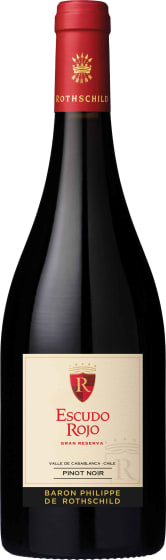
Chile's Casablanca Valley, located between Santiago and the coast, benefits from cool ocean breezes that temper the heat and preserve freshness in the grape. The result is bright, clean Pinot Noir with red fruit character and crisp acidity, often available for $12 to $20. For someone exploring Pinot Noir for the first time, Chilean bottlings offer an accessible, low-risk starting point.
Beyond Chile, several regions are producing increasingly interesting Pinot Noir worth watching. South Africa's Walker Bay district, particularly the Hemel-en-Aarde Valley, makes structured, savory versions that echo Burgundy. Australia's Yarra Valley and Tasmania grow elegant, cool-climate Pinot Noir with bright acidity and red fruit purity. Argentina's Patagonia, in the far south, is an emerging source of fresh, mineral-driven bottles. These regions represent the next frontier for curious drinkers looking to explore red wines from emerging regions.
Pinot Noir's lighter body and bright acidity make it one of the most versatile red wines at the dinner table. It works across a wider range of dishes than bolder reds because it complements food without overpowering it, and it pairs with proteins and preparations that other reds struggle to match.
Roasted and grilled poultry: A roast chicken dinner is one of the classic Pinot Noir pairings. The wine's acidity cuts through crispy skin, and its red fruit flavors complement herbs like thyme and rosemary. Try it with roasted turkey, duck breast, or grilled chicken thighs for a weeknight meal that feels polished
Salmon and fatty fish: Pinot Noir is one of the few red wines that pairs comfortably with fish. Its lighter tannins and bright acidity match the richness of grilled salmon, seared tuna, or roasted arctic char without clashing. This pairing works especially well for a dinner party where guests have varied preferences
Mushroom dishes: Pinot Noir and mushrooms share earthy, savory flavor compounds that amplify each other on the palate. Mushroom risotto, a wild mushroom tart, or even a simple sautéed mushroom side dish will make a good bottle of Pinot Noir taste even better
Charcuterie and cheese: A charcuterie board with cured meats, aged cheeses, and dried fruit is one of the easiest ways to enjoy Pinot Noir casually. The wine's acidity balances the salt and fat in prosciutto or salami, and it pairs naturally with semi-firm cheeses like Gruyère or Comté
Pasta and risotto: Lighter pasta dishes with tomato-based sauces, pancetta, or roasted vegetables work well with Pinot Noir's weight and acidity. A beet risotto or pasta with roasted mushrooms and brown butter makes for a satisfying pairing that feels seasonal in fall and winter
Pinot Noir Questions, Answered
What Is the Best Region for Pinot Noir?
There is no single "best" region for Pinot Noir because the answer depends on your taste preferences and budget. Burgundy offers the deepest earthy complexity and the longest track record, but entry-level bottles start around $18 to $25, and prices rise steeply from there. Oregon delivers balanced structure with both fruit and earth at strong mid-range prices. California produces fruit-forward, approachable styles that are easy to enjoy without much wine knowledge. New Zealand offers vibrant freshness and bright acidity at accessible price points. If you are just starting out, California or New Zealand Pinot Noir gives you a friendly introduction, and you can explore Oregon and Burgundy as your palate develops.
What Makes Pinot Noir Different from Other Red Wines?
Pinot Noir stands apart from other popular reds in three practical ways. It has a lighter body than Cabernet Sauvignon or Merlot, meaning it feels less heavy on the palate and works with a broader range of foods. It has lower tannins (that drying, gripping sensation you feel on your tongue and cheeks, similar to oversteeped tea), which makes it smoother and more approachable when young. Its acidity is higher than most reds, giving it a fresh, lifted quality that keeps each sip feeling clean. Pinot Noir is also a thin-skinned grape, which makes it highly sensitive to growing conditions. The same grape planted in different soils and climates will produce wines that taste remarkably different from one another.
Is Burgundy Pinot Noir Worth the Price?
Entry-level Bourgogne, the region's broadest classification, typically costs $18 to $25 and offers genuine Burgundy character: red fruit, earth, and that signature savory finish. These wines represent real value for what they deliver. Prices climb quickly once you move to village-level wines ($30 to $60), premier cru ($50 to $150), and grand cru ($200 and up), where single-vineyard bottlings typically yield 1 to 2 tons per acre versus 4 to 6 tons for broader regional blends. For newcomers, a smart approach is to start with a regional Bourgogne alongside an Oregon Pinot Noir at a similar price point. Tasting them side by side teaches you more about what Burgundy offers than any description can.
Why Is Pinot Noir Called the Heartbreak Grape?
Pinot Noir earned the nickname "heartbreak grape" because it is one of the most difficult varieties to grow well. Its thin skins make it vulnerable to disease, rot, and damage from rain or hail at harvest time. The grape requires cool climates with a narrow band of ideal temperatures: warm enough to ripen fully, cool enough to preserve acidity and develop complex flavors. Too much heat and the wine loses its delicacy; too much cold and the fruit never reaches maturity. That difficulty is part of what makes a great bottle of Pinot Noir feel special, because the winemaker had to work harder to get it right.
Where to Start with Pinot Noir
There is no wrong region to start with when exploring Pinot Noir. If you are roasting a chicken on a Tuesday night, grab an Oregon Willamette Valley bottle in the $20 to $30 range. If you are hosting a summer dinner party and want something bright and refreshing, a New Zealand Central Otago or Martinborough Pinot Noir fits the moment perfectly. If you want to taste wine history, pick up an entry-level Bourgogne from Burgundy and pay attention to that savory, earthy finish that has captivated winemakers for centuries.
Wine.com carries more than 1,500 Pinot Noirs from every major region covered in this guide, along with emerging producers from Chile, South Africa, Australia, and beyond. Whether you are buying your first bottle or building on a growing collection, the selection spans every style and price point.
When you are ready to explore, Browse Pinot Noir at Wine.com and start with any region that caught your attention. You can filter by region, price, and ratings to find bottles that match what you are looking for.