The Essential Pinot Noir Guide: Regions, Styles, and Romantic Pairings
Pinot Noir has been grown in Burgundy, France, for over seven centuries, making it one of the oldest and most celebrated red wine grapes in the world. A "varietal" is a wine made primarily from one grape variety, and Pinot Noir is among the most expressive of them all. Its light, silky character and natural affinity for food make it one of the most reliable choices for a romantic dinner.
Pinot Noir at a Glance
Pinot Noir is a red grape that produces wines with a lighter color and softer feel than bold reds like Cabernet Sauvignon. If you are new to wine, three terms will help you understand what makes Pinot Noir distinctive. "Tannins" are the compounds that create a drying, grippy sensation on your tongue, similar to strong black tea. "Acidity" is the bright, mouthwatering quality that keeps a wine feeling fresh. "Body" describes how heavy or light a wine feels in your mouth, comparable to the difference between skim milk and whole milk.
Pinot Noir is a light-to-medium body wine with high acidity and lower tannins than most other reds. Its alcohol content typically falls between 12–14% ABV (alcohol by volume), which is moderate compared to bolder reds. These qualities make it food-friendly and approachable, even if you are still figuring out what you like. In Burgundy, winemakers are required by law to use 100% Pinot Noir, making it one of the world's notable single-varietal regions (Barolo, where 100% Nebbiolo is mandated, is another). That said, in other parts of the world, some premium Pinot Noir bottlings include a small amount of Syrah or Petite Sirah to deepen color and add body, or a touch of Viognier for aromatic lift. These additions are uncommon and always in very small proportions, so the vast majority of Pinot Noir remains a single-varietal wine.
How Pinot Noir Tastes (And Why It Varies)
The primary flavors you will notice in a glass of Pinot Noir include cherry, raspberry, mushroom, and vanilla. Some bottles lean toward bright, fresh fruit, while others taste earthier, with notes of forest floor and dried herbs. Older Pinot Noir can develop additional layers of leather, tobacco, and dried flowers as the wine evolves in the bottle. The differences come down to where the grapes grow, how old the wine is, and how it was made.
Climate plays a major role. Cooler regions tend to produce Pinot Noir with tart red fruit and higher acidity. Warmer areas push the grape toward darker, riper flavors like black cherry and plum. Soil composition also matters: volcanic soils can add a mineral edge, while limestone soils often contribute elegance and lift. Winemaking decisions, such as whether the wine ages in oak barrels (which can add vanilla and spice) or stainless steel (which preserves pure fruit flavor), shape the final taste as well. The result is a grape that expresses its home with remarkable clarity.
Pinot Noir by Region
Because Pinot Noir is so sensitive to its growing environment, the same grape can produce dramatically different wines depending on where it is planted. Here are four of the most important Pinot Noir regions in the world, each with a distinct personality.
1. Burgundy, France
Burgundy is where Pinot Noir began, and its wines remain the global benchmark for the grape. The French concept of "terroir," meaning the combination of soil, climate, and geography that gives a wine its unique character, is central to Burgundy's identity. Wines from this region tend to emphasize earth and minerality over fruit, with flavors that deepen and evolve over years of aging.
Flavor profile: Red cherry, dried rose, mushroom, iron
Texture: Silky tannins with a long, savory finish
Acidity: High, giving the wine structure and freshness
Oak influence: Subtle, rarely overpowering the fruit
A Burgundy Pinot Noir sets a sophisticated, quietly elegant mood for a candlelit dinner. Pair it with seared duck breast or a mushroom-based dish to let the earthy notes shine.
2. Willamette Valley, Oregon
Oregon's Willamette Valley has earned a reputation as one of the finest Pinot Noir regions outside of France, with a cool climate that produces wines of balance and finesse.
Oregon Pinot Noir brings a cozy, inviting elegance to a date night at home. Its bright acidity pairs well with roasted salmon or herb-crusted chicken.
3. Sonoma Coast and Russian River Valley, California
California's cooler coastal zones produce Pinot Noir with more richness and depth than their French counterparts. The Sonoma Coast benefits from Pacific fog and wind, while the Russian River Valley adds warmth that develops riper, fuller flavors. These are bold, crowd-pleasing wines that still retain the grape's signature finesse.
Flavor profile: Dark cherry, cola, vanilla, baking spice
Texture: Velvety and plush
Acidity: Moderate, balanced by ripe fruit
Oak influence: More prominent, often with toasty, caramel notes
A California Pinot Noir brings a lush, celebratory energy to anniversary dinners and special occasions. The richer fruit and oak flavors stand up well to grilled lamb or a charcuterie spread.
4. New Zealand
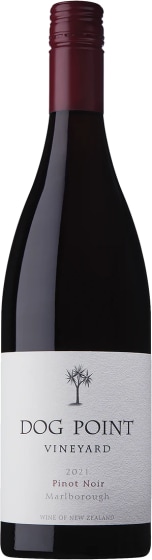
New Zealand's two most important Pinot Noir regions produce distinctly different styles, and both are worth exploring. Central Otago, the world's southernmost wine region, gets intense sunlight and cold nights that produce bold, spicy Pinot Noir with concentrated fruit. Marlborough, better known for Sauvignon Blanc, has quietly built a reputation for Pinot Noir with bright acidity and aromatic freshness. Loveblock in Central Otago delivers the region's signature black plum intensity with herbal spice, while Dog Point Vineyard in Marlborough offers a lighter, more perfumed style with red berry and floral lift.
Central Otago flavor profile: Black plum, thyme, black pepper, minerality
Marlborough flavor profile: Red cherry, white pepper, dried herbs, florals
Texture: Ranges from firm and structured (Otago) to silky and aromatic (Marlborough)
Acidity: Bright and refreshing across both regions
Oak influence: Restrained, letting the fruit and site character lead
New Zealand Pinot Noir adds a vibrant, unexpected spark to casual date nights and outdoor dinners. The bolder Central Otago style pairs well with spice-rubbed grilled meats, while Marlborough's lighter touch complements grilled fish or a simple roast chicken.
A Burgundy bottling delivers classic red cherry, mushroom, and mineral notes in a style that rewards slow sipping. A Sonoma Coast Pinot Noir, by contrast, opens with dark cherry and vanilla and fills the glass with warmth.
Price and quality do not always move in a straight line with Pinot Noir, but understanding what drives cost at each level helps you buy with confidence. Here is what to expect across three tiers.
1. Under $25: Everyday Bottles
Wines in this range come from larger vineyards where grapes are harvested in higher quantities, keeping costs down. You will find approachable, fruit-forward Pinot Noir from regions like California's Central Coast, Chile, and parts of Oregon. Producers like A to Z Wineworks in Oregon have built a reputation for delivering consistent, easy-drinking Pinot Noir at this price point. These are weeknight wines, great for a Tuesday pasta night or a casual glass on the porch. The flavors tend toward bright cherry, strawberry, and light spice, with minimal oak influence.
2. $25–$50: Date Night Worthy
This is the sweet spot for romantic dinners. At this tier, you start to see single-region bottlings from respected appellations. Wines here often spend time aging in French oak barrels, and new French oak barrels cost $1,200 or more per barrel. That expense gets divided across a limited number of cases per barrel, which is one reason why oak-aged wines cost more. The result is added layers of vanilla, spice, and toast that round out the fruit flavors. Producers at this level often practice more selective grape harvesting, choosing only the best fruit from specific vineyard blocks. Adelsheim Vineyard in Oregon's Willamette Valley is one example of a producer that consistently delivers expressive, single-region Pinot Noir in this range. A bottle from a respected appellation at this price point delivers serious quality for a memorable evening.
3. $50 and Above: Special Occasions
Premium Pinot Noir at this level often comes from single vineyards with low yields, meaning each vine produces fewer grape clusters, concentrating flavor. Some of these wines spend over a year in oak and additional time in the bottle before release. These are wines for milestone celebrations: engagements, promotions, landmark birthdays. Bouchard Père & Fils Beaune du Château Premier Cru is a strong entry point into this tier from Burgundy, sourcing from some of the Côte de Beaune's most respected vineyard sites and delivering the kind of layered earth and red fruit complexity that separates premier cru from regional bottlings. From Oregon, Penner-Ash Willamette Valley Pinot Noir shows what focused vineyard sourcing and French oak aging look like in a New World context, with concentrated berry fruit and the structure to develop for a decade. Both bottles represent what this price tier delivers: site-specific character, careful winemaking, and the kind of depth that makes a special evening feel earned.
Beaune, Cote de Beaune, Cote d'Or, Burgundy, France ● Pinot Noir
93 Decanter
92 James Suckling
92 Robert Parker
91 Wilfred Wong
90 Wine Spectator
Sold Out - was $75.00
Pinot Noir at the Table
Pinot Noir's high acidity and soft tannins make it one of the most versatile red wines for food pairing. Its lighter body bridges the gap between white and red wine, matching dishes that might overwhelm a Chardonnay but feel too delicate for a Cabernet. For a romantic multi-course dinner, Pinot Noir can carry you from the first bite to the last.
Duck breast: The wine's bright acidity cuts through the richness of seared duck, while cherry and earthy notes complement the meat's savory depth
Mushroom risotto: Pinot Noir's earthy side, with flavors of forest floor and dried herbs, mirrors the umami in a well-made risotto
Grilled salmon: One of the few red wines light enough to pair with fish, Pinot Noir's acidity balances the salmon's natural oils
Roasted lamb: A slightly richer Pinot Noir from California or New Zealand stands up to the herbs and fat of roasted lamb
Cheese board: Finish the evening with a selection of Gruyère, aged Comté, or mild Brie alongside your final glass
Pinot Noir Questions, Answered
Is Pinot Noir a Good Wine for Date Night?
Pinot Noir is one of the best choices for a romantic evening. Its smooth, silky texture and moderate alcohol make it easy to enjoy over a long dinner without overwhelming your palate. The wine pairs well with a wide range of foods, from appetizers to dessert courses, so it adapts to whatever menu you have planned. It also tends to have a beautiful garnet color in the glass, which adds a visual touch to the table. Whether you choose an earthy Burgundy or a fruit-forward California bottling, you are setting a warm, inviting tone.
What Is the Difference Between Burgundy and Pinot Noir?
Burgundy is a region in eastern France, and Pinot Noir is the grape variety grown there. When someone says "Burgundy" on a wine label, they mean the wine was made in that specific region, following strict local regulations that mandate the use of 100% Pinot Noir for red wines. Pinot Noir grown outside Burgundy, in places like Oregon, California, or New Zealand, is simply labeled "Pinot Noir." The key difference is origin. Burgundy Pinot Noir tends to be earthier, more mineral-driven, and often more structured than Pinot Noir from warmer New World regions.
Should Pinot Noir Be Chilled?
Yes, slightly. Pinot Noir drinks best at 55–60°F, which is cooler than room temperature but warmer than refrigerator temperature. If you have been storing your bottle at room temperature, place it in the refrigerator for about 20 minutes before serving. Serving it too warm can make the alcohol feel harsh and the flavors muddled, while serving it too cold locks up the aromas entirely. Keeping it in that 55–60°F window preserves the fruit and lets the acidity stay crisp.
How Long Does Pinot Noir Last After Opening?
An opened bottle of Pinot Noir will stay enjoyable for 2–3 days if you recork it tightly and store it in the refrigerator. The wine's lighter body and lower tannin levels mean it is more sensitive to oxidation than heavier reds like Cabernet Sauvignon. On day two, you may notice the fruit flavors soften slightly and earthier notes become more prominent. By day three, the wine is still drinkable but past its peak. For the best experience, plan to finish the bottle within two days of opening.
Your Next Bottle
Pinot Noir rewards curiosity. Your personal taste is the only guide that matters, and the best way to discover what you love is to try bottles from different regions and price points. A Burgundy and a California Pinot Noir side by side will show you just how much geography shapes flavor, and both are equally valid starting points.
Wine.com's selection of 16,000+ wines includes Pinot Noir from every major growing region in the world, with detailed tasting notes and food pairing suggestions for each bottle. Filters for price, region, and rating make it easy to narrow down the options and find exactly what fits your evening.
Ready to find your bottle? Browse Pinot Noir at Wine.com and filter by region, price, and rating to find exactly what fits your evening.