Orange Wine, Explained: Styles, Regions, and What to Buy
Orange wine is white wine made like a red, with grape skins left in contact during fermentation to build color, tannin, and texture that standard white winemaking strips away. The category spans a wide range, from light and citrusy bottles that barely hint at their skin-contact origins to deeply tannic, amber-hued wines with months of maceration behind them. That internal diversity is what makes orange wine one of the most interesting corners of the wine world to explore right now.
Orange Wine at a Glance
Standard white wine production removes grape skins before fermentation begins. Orange wine does the opposite: white grapes ferment in contact with their skins, seeds, and sometimes stems for anywhere from a few days to several months. That extended contact extracts tannins, phenolic compounds, and pigments that give the finished wine its amber or golden hue, along with a textural grip you rarely find in conventional whites.
The technique is ancient. Georgian winemakers have been fermenting white grapes on their skins in buried clay vessels called qvevri for roughly 8,000 years. The style goes by several names: "amber wine" is the term preferred in Georgia, "skin-contact white" is the more technical descriptor favored by sommeliers and importers, and all three labels point to the same process of white grapes gaining structure through extended skin contact.
One common misconception: orange wine contains no oranges. The name refers to the color the wine takes on during maceration, which can range from pale copper to deep amber depending on the grape variety, skin thickness, and length of contact.
How the Skins Change Everything
Maceration duration is the single biggest variable in orange wine production. A few days of skin contact produces a wine that looks and drinks like a richer, more textured white with a faint golden tinge. Several weeks or months of contact yield something closer to a light red in structure, with noticeable tannin, deeper color, and a broader flavor profile that can include dried fruit, spice, and resinous notes.
The grape variety matters as well. Thick-skinned grapes like Rkatsiteli extract more tannin and color quickly, while thin-skinned varieties like Pinot Grigio contribute subtler texture even with extended contact. Traditional qvevri fermentation takes the process further by burying the juice and skins in sealed clay vessels underground, where stable cool temperatures allow months-long extraction that builds deep amber color, firm tannin, and mineral complexity.
How Orange Wine Tastes (And Why It Varies)
The flavor spectrum of orange wine is broader than most drinkers expect. Common tasting notes include dried apricot, bruised apple, orange peel, honey, walnuts, and dried herbs, but those descriptors only sketch part of the picture. The specific grape variety and maceration length shift the profile dramatically from one bottle to the next.
A useful way to navigate the category is to think in three style tiers. Light and bright orange wines, often made from aromatic grapes like Pinot Grigio/Pinot Gris with just a few days of skin contact, lean toward crisp citrus and white flower notes with a hint of texture on the finish. Medium-bodied and textured examples, frequently built on Ribolla Gialla or Malvasia, spend several weeks on skins and develop stone fruit, honeycomb, and a lightly tannic grip. Bold and structured bottlings, including Georgian Rkatsiteli fermented in qvevri, push maceration to several months and deliver dried fruit, resinous herbs, walnut skin, and firm tannins that more closely resemble a light red wine than any white.
Most orange wines fall between 11% and 15% ABV, a range that mirrors conventional whites and lighter reds. The tannin level, not the alcohol, is what distinguishes the drinking experience. Even a modest 12% orange wine with two months of maceration will feel fuller and more structured in the mouth than a 14% unoaked Chardonnay.
Orange Wine by Region
Orange wine production has spread from its ancient origins in the Caucasus to winemaking regions across Europe and into the New World. Each area brings its own grapes, vessels, and traditions to the skin-contact conversation, producing wines that reflect local terroir as much as shared technique.
1. Georgia
Georgia is where orange wine begins. Winemakers in the Kakheti region have been fermenting white grapes in qvevri for roughly 8,000 years, making this the oldest continuous winemaking tradition on earth. The signature grapes are Rkatsiteli, which contributes firm tannin and mineral backbone, and Mtsvane, which brings aromatic lift and stone fruit character. Georgian amber wines tend toward deep color, resinous texture, and a distinctive mineral finish shaped by the clay vessels and the soils they rest in. Fermentation and aging happen entirely underground, with qvevri sealed with beeswax and stone for six months or longer.
2. Friuli-Venezia Giulia, Italy
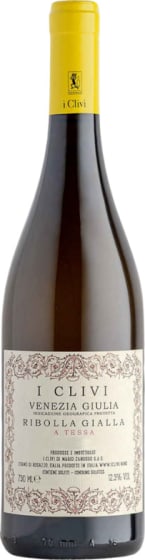
Friuli's Collio district, and the village of Oslavia in particular, is where the modern orange wine revival took shape in the 1990s. Ribolla Gialla is the flagship grape here, producing wines with golden color, dried apricot, and a textured, nutty finish that develops with extended maceration. The tradition has since spread well beyond Friuli's borders. Producers across Italy, from Sicily to the Marche, now work with skin-contact techniques on local white varieties, expanding what Italian orange wine can look and taste like.
Slovenia shares a border and a winemaking tradition with Friuli, and the two regions' orange wines are closely related. Slovenian producers work with Rebula (the local name for Ribolla Gialla) and Sivi Pinot (Pinot Grigio), producing copper-hued, skin-contact wines with floral aromatics and a saline mineral thread. The Brda and Vipava Valley growing areas sit on the same geological formations as Collio across the Italian border, producing wines that are textured, balanced, and built around acidity and grip.
Skin-contact winemaking has found a growing audience in California, where producers lean into ripe, fruit-forward character with shorter maceration times that make these wines accessible entry points for the style. The movement extends well beyond the American West Coast. French producers in Languedoc and other southern regions have embraced skin-contact white wine techniques, and similar experiments are underway in Australia, South Africa, and South America.
A bottle of orange wine under $25 and one over $50 can look identical on the shelf, but what separates them is production scale and time. Large-scale producers may make 100,000+ cases of a single SKU, while boutique estates often produce under 1,000. Extended maceration ties up vessel space for weeks or months, limiting how much wine a producer can make in a given year. Native (wild) yeast fermentations take longer and are less predictable than commercial yeast, but they preserve site character, and many premium producers consider them non-negotiable.
1. Under $25: Everyday Exploration
Orange wines in this range typically see a few days to two weeks of skin contact, producing approachable, fruit-forward bottles with light tannin and a golden hue. These are ideal starting points for weeknight meals. Production at this tier often involves larger lots, temperature-controlled fermentation, and commercial yeast strains that keep the process efficient and the flavor profile consistent.
This is where orange wine starts to show regional character. Producers in this range work with longer maceration, often three to six weeks, and many use native yeasts and neutral vessels that let the grape and site come through. You will start to notice specific signatures here: the nutty finish of Friuli Ribolla Gialla, the saline minerality of Slovenian Rebula, the ripe stone-fruit character of Southern French skin-contact blends.
Extended maceration and small-lot production define the top tier. These wines often spend three months or longer on their skins in traditional clay qvevri or amphora, and the resulting structure can support years of bottle aging. Many premium producers harvest in multiple passes over 2–4 weeks to capture optimal ripeness in each block, limiting volume and raising cost. Marjan Simcic's Cru Selection Ribolla from Slovenia exemplifies the tier: deep amber color with layers of orange zest, dried herb, and mineral complexity developed through extended skin contact.
Orange wine's combination of white-wine acidity and red-wine tannin makes it a versatile pairing partner that bridges flavor profiles neither conventional whites nor reds handle comfortably on their own. Bolder, more tannic orange wines pair best with richer dishes, while lighter bottles work across a wider range.
Pairing suggestions:
Aged hard cheeses: The tannin and nuttiness in orange wine complement aged Gouda, Comté, and Manchego the way a medium-bodied red would, with the added brightness of white-wine acidity
Charcuterie and cured meats: Salumi, prosciutto, and pâté find a natural partner in medium-bodied, textured orange wines that match their richness without overwhelming delicate flavors
Roasted and grilled vegetables: Caramelized squash, roasted eggplant, and grilled mushrooms share the earthy, savory notes that maceration brings out in skin-contact whites
Spice-forward cuisine: Middle Eastern, North African, and Indian dishes built on cumin, turmeric, saffron, and coriander pair well with the aromatic complexity and slight bitterness of orange wine
Mediterranean small plates: Hummus, tapenade, marinated peppers, and olive-oil-dressed dishes work across the full orange wine spectrum, from light and crisp to bold and tannic
Serving guidance:
Temperature: Serve between 50°F and 55°F, cooler than a red but slightly warmer than a typical white, to let the aromatics open without muting the tannin structure
Glassware: A wider bowl than you would use for a standard white gives the wine room to breathe and lets the aromatic complexity develop in the glass
Aeration: Give bolder, more structured bottles 15–20 minutes of air after opening, similar to how you would treat a young red wine with firm tannins
Orange Wine Questions, Answered
Is Orange Wine Made from Oranges?
No. Orange wine contains no citrus fruit of any kind. The name refers to the amber or orange color the wine develops when white grape skins remain in contact with the juice during fermentation. The pigments extracted from those skins tint the finished wine golden, copper, or deep amber depending on the grape variety and maceration time.
What Is the Difference Between Orange Wine and Rosé?
Orange wine and rosé start from opposite ends of the color spectrum. Rosé begins with red grapes and uses brief skin contact to extract just enough color for a pink hue. Orange wine begins with white grapes and uses extended skin contact to add color, tannin, and texture. The two techniques are mirror images: rosé subtracts color from red grapes, while orange wine adds it to white ones.
Why Is Some Orange Wine So Expensive?
The cost drivers are time and scale. Extended maceration ties up fermentation vessels for months, limiting how many batches a producer can run in a single season. Many top producers also use traditional clay qvevri or amphora that require hand-building and careful maintenance. Small production lots, hand harvesting, and native yeast fermentations add further labor and unpredictability.
Can You Age Orange Wine?
Structured, tannic orange wines, especially those from Georgia's qvevri tradition or Friuli's extended-maceration producers, can age for five to fifteen years or longer. Their tannin and phenolic content act as natural preservatives, similar to the role tannins play in age-worthy reds. Lighter, shorter-maceration orange wines are best enjoyed within a year or two of release, while the fruit character is vibrant.
Is Orange Wine the Same as Natural Wine?
Natural wine is defined by a farming and winemaking philosophy: organic or biodynamic viticulture, minimal intervention, little or no added sulfur. Orange wine is defined by a production method: white grapes fermented with their skins. The two categories overlap because many natural wine producers are drawn to skin-contact techniques, but they are distinct. Conventionally farmed white grapes can be made into orange wine, and natural wine producers make conventional whites and reds alongside their skin-contact bottlings.
Where to Start with Orange Wine
A light, Pinot Grigio-based skin-contact wine is a low-risk companion for weeknight Mediterranean cooking, while a structured Rkatsiteli or extended-maceration Ribolla can anchor a cheese-heavy dinner party. Start in the under-$25 tier to calibrate your preferences, then move into the $25–$50 range where regional character and winemaking identity emerge.
Wine.com's orange wine collection brings together skin-contact bottles from Georgia, Italy, Slovenia, California, France, and beyond. Filters for price, region, and grape variety make it easy to compare styles side by side, whether you are after a crisp, entry-level bottle or a cellar-worthy qvevri wine.
Finding the right orange wine comes down to matching maceration level to occasion, and the best way to learn what you like is to taste across the spectrum. Browse Orange Wines at Wine.com