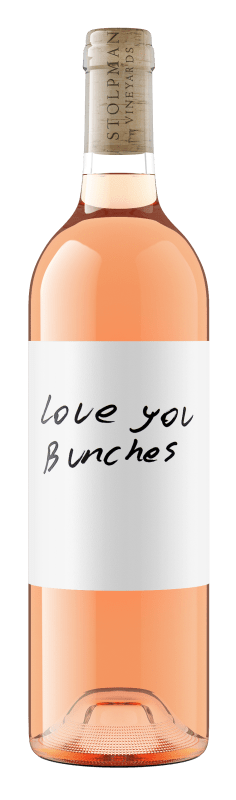


Winemaker Notes
Booming exotic tropical fruit on the nose. Ruby red grapefruit into palm trees, pineapple, and coconuts. Richness upfront and then fleshy on the midpalate finishing with a deeper, redder core. All the while sweet juicy citrus and ripe stone fruit provide pure, seamless pleasure. A serious backbone frames the perfume taking on wet gravel leading to fine chalky tannin and toast. A food friendly dryness remains after swallowing, inviting any type of lighter, flavorful fare, especially spice!
Blend: 42% Pinot Gris, 34% Chardonnay, 24% Gewürztraminer

What is orange wine?
“Orange wine” is the most common term in modern American culture used to describe a white wine that is made like a red wine. In other words, it is a white wine made from white grapes that ferment while in contact with their skins (rather than being pressed). You’ll also see the terms, “skin-contact wine,” or in Italian, ramato (copper-colored) to describe this style.
How is orange wine made?
In modern winemaking, to make fresh white wine, pale-skinned grapes need to be pressed immediately after harvest so that the juice can ferment free from the skins and seeds. In ancient winemaking they didn’t have presses or other fancy winery equipment so made use of the tools at hand—mainly just vats for fermenting. This skin-contact style dates back to the 6th millennium BC in what is modern day Georgia (the country). At that time, they fermented ripe white grapes together with their skins, seeds and stems in a clay amphora, called a qvevri, which were sealed and buried in underground vessels for 5-6 months.
Where does orange wine come from?
Today’s modern skin-contact winemakers pay homage to this non-interventionist style of white winemaking. Though some people dismiss it as a fad, this age-old style has been resurfacing on the global scene over the last twenty or so years. Multiple countries make it—Georgia (of course), Slovenia, Italy, the U.S. and Australia to name a few. Each country produces this style in a different way with time on skins ranging anywhere from a half a day to multiple weeks. This creates a range of results in the finished wine. The color of these wines can be golden yellow to vibrant popsicle orange.
Tasting notes for orange wine
The time on skins also adds tannins and phenols to the finished wine and skin-contact wines normally show off a bright acidity. Typical flavors and aromas include bruised apple, peach, orange rind, lemongrass, lemon balm, chamomile, juniper, ginger, exotic spice, honey, beeswax and hazelnut.
Perfect food pairings for orange wine
Because of their complexity in aromas and flavors, structure and good acidity, skin-contact wines pair with a wide variety of foods. Common pairings include cream sauces, curries, spicy foods, roasted poultry and any seafood including shellfish.

With a dry and mild climate cooled significantly by moist ocean fog and breezes, Santa Barbara County is a grape-grower’s dream. Part of the larger Central Coast appellation, Santa Barbara is home to Santa Maria Valley and Santa Ynez Valley. The conditions here provide an opportunity for nearly effortless production of high-quality cool-climate Central Coast wines. This is also the site of the 2004 film Sideways, which caused Pinot Noir’s popularity to skyrocket and brought new acclaim to the region.
Chardonnay and Pinot Noir are the stars of Santa Barbara, producing wines marked by racy acidity. Crisp Sauvignon Blanc and savory Syrah are also important. The region is home to many young and enthusiastic winemakers eager to experiment with less common varieties including Chenin Blanc, Grüner Veltliner, Trousseau Gris, Gamay and Cabernet Franc, making it an exciting area to watch.