The Essential Light-Bodied Red Wine Guide: Styles, Pairings, and What to Pour
Light-bodied red wine is a red wine that feels light and refreshing on your palate, closer to the weight of water than cream. These wines cover a wide range of grapes and regions, from the cherry-bright Pinot Noirs of Burgundy to the fizzy, berry-driven Lambruscos of northern Italy. If you are planning a warm-weather dinner and want a red that will not weigh down the table, this category is your starting point.
Understanding Light-Bodied Red Wine
"Body" in wine describes how heavy or full the wine feels in your mouth. Think of the difference between skim milk and whole milk: both are milk, but one feels noticeably thinner and lighter. Light-bodied red wines land on the skim-milk end of that scale, and three traits put them there.
First, they have lower tannin. Tannin is the dry, slightly gripping sensation you feel on your tongue and gums when you drink red wine. It comes mainly from grape skins, and light-bodied reds are typically made from thin-skinned grapes that release less of it. Second, they tend to have lower alcohol, often in the 11% to 13.5% ABV (alcohol by volume) range. Lower alcohol means less viscosity and a leaner texture. Third, they usually carry higher acidity, which is the bright, mouth-watering quality that makes a wine feel crisp and refreshing, similar to biting into a tart apple.
You can often spot a light-bodied red before you even taste it. Hold your glass against a white background. If the wine is translucent ruby or garnet and you can see through it, there is a good chance it is light-bodied. For a broader look at where light reds fit alongside medium and full-bodied styles, explore the full range of types of red wine.
How Climate and Grapes Shape Body
Cooler growing climates tend to produce lighter red wines. Grapes ripen more slowly in cool weather, which keeps sugar levels (and therefore alcohol) lower and preserves acidity. Thin-skinned grape varieties like Pinot Noir and Gamay thrive in these conditions, producing wines with gentle tannin and bright fruit character.
How Light-Bodied Red Wine Tastes
Light-bodied reds share a common thread you will notice across nearly every bottle in this category. They tend to lead with bright red fruit flavors, things like cherry, raspberry, and strawberry, along with floral and herbal notes. Their high acidity gives them a refreshing, palate-cleansing finish that keeps you reaching for another sip.
That bright, lively quality is what makes these wines so appealing for warm-weather dinners. Where a full-bodied Cabernet Sauvignon can feel heavy on a hot evening, a light red feels more like a cold glass of iced tea: satisfying without weighing you down. The flavor differences between individual grapes, though, are striking. Some lean toward earthy mushroom notes, others toward wild flowers, and a few even come with bubbles.
Six Light-Bodied Red Wines to Know
These six grapes represent the core of the light-bodied red wine world. Each one rewards a slight chill before serving. Whether you are looking for a familiar starting point or something completely new, one of these will fit your next warm-weather dinner.
1. Pinot Noir
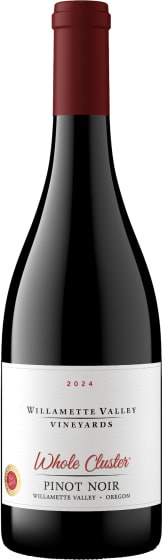
Pinot Noir is the grape most people think of first when light-bodied red wine comes up, and for good reason. It produces wines with cherry, raspberry, and earthy mushroom flavors, wrapped in silky, gentle tannin. The best examples balance fruit sweetness with a savory depth that keeps the wine interesting from the first sip to the last.
Cool-climate regions produce the most classic light-bodied Pinot Noir. Burgundy in France is the historical home of the grape, where the wines tend toward red fruit and forest floor. Oregon's Willamette Valley makes Pinot Noir with a similar elegance, often with a slightly brighter fruit profile. New Zealand's Central Otago and Marlborough regions offer another take, leaning into cherry and floral notes with a clean mineral finish.
For a warm-weather dinner, try Pinot Noir with grilled salmon or roast chicken. Its acidity cuts through the richness of the fish, and its soft tannin will not clash with lighter poultry preparations. Serve it between 55 and 60 degrees Fahrenheit for the best balance of fruit and freshness.
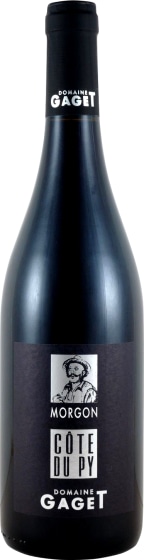
Gamay, also known as Gamay Noir, is the grape behind Beaujolais, and it might be the single best red wine for warm weather. These wines burst with juicy strawberry, black cherry, and violet flavors, often finishing with a peppery spice that keeps things lively. Tannin is very low, which means the fruit takes center stage.
Beaujolais itself is a region in eastern France, and the wines range from simple and fun to complex and cellar-worthy. Beaujolais-Villages wines come from higher-quality vineyards and offer more concentration and structure at an approachable price. Cru Beaujolais, wines from designated top-tier villages like Morgon and Fleurie, represents the highest quality level. Morgon tends toward darker cherry and earthy depth. Fleurie lives up to its name with a floral, silky character. Vine yields drop and flavor concentration increases significantly after vines reach 10 to 15 years of age, which is one reason Cru Beaujolais from old vines can be so expressive.
Gamay pairs beautifully with charcuterie boards, grilled chicken, and grilled vegetables. Serve it slightly chilled, between 54 and 59 degrees Fahrenheit, and it becomes one of the most refreshing reds you can pour on a warm evening.
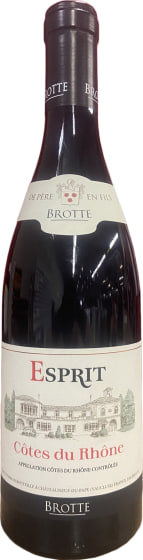
Grenache goes by Garnacha in Spain, and in both countries it produces fruit-forward reds with strawberry and white pepper flavors. Tannin is lower than most red grapes, and the wines often have a round, generous texture that feels welcoming rather than demanding.
The lightest, most refreshing Grenache wines come from unoaked bottlings (wines aged without oak barrels, which preserves their pure fruit flavor). Look for Southern Rhône wines from France or lighter Garnacha from cooler, higher-altitude sites in Spain. These styles emphasize pure fruit and acidity rather than the rich, concentrated character you find in blends like Châteauneuf-du-Pape.
For warm-weather dinners, pour Grenache alongside spiced BBQ chicken or Mediterranean vegetables like grilled zucchini, peppers, and eggplant. Serve it between 55 and 60 degrees Fahrenheit. Its round fruit and gentle pepper spice echo the warm seasoning in grilled and roasted dishes.
Cotes du Rhone Villages, Rhone, France ● Rhône Blends
94 Wine Enthusiast
92 Wilfred Wong
$17.99
$17.99
4. Lambrusco
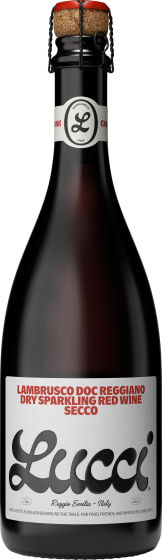
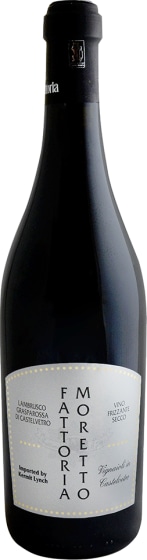
Lambrusco is a sparkling red wine from the Emilia-Romagna region of northern Italy, and it is one of the most refreshing options in the entire light-bodied red category. The combination of bubbles and berry fruit makes it feel celebratory and easy to drink, even on the warmest nights.
The key distinction to know is between secco (dry) and amabile (slightly sweet). Dry Lambrusco has a tart, snappy finish that pairs well with rich food, and it is the style most wine lovers gravitate toward. Among the sub-types, Lambrusco di Sorbara produces the lightest, most delicate wines with floral and red berry notes. Lambrusco Grasparossa makes fuller, darker-fruited versions with more grip. Serve Lambrusco well chilled, between 49 and 54 degrees Fahrenheit, and pair it with pizza, burgers, or a spread of cured meats.
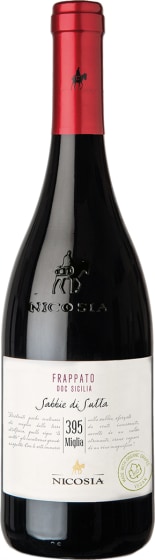
Frappato is a Sicilian grape that deserves far more attention than it gets. The wines are featherlight in body, with wild strawberry, cherry blossom, and fresh herb flavors that feel almost weightless on the palate, with an aromatic lift that makes each sip feel brighter than the last. Tannin is practically absent, which makes Frappato one of the most immediately approachable reds you can try.
Most Frappato comes from the province of Ragusa in southern Sicily. Hand-sorting at harvest eliminates 5 to 15 percent of the fruit, reducing yields but improving concentration, and careful producers apply this step to preserve Frappato's delicate aromatics. You will find it bottled on its own as a single-grape wine, or blended with the bolder Nero d'Avola grape in Cerasuolo di Vittoria DOCG (Italy's highest wine quality designation), Sicily's only top-tier red wine region. The pure Frappato bottlings are the ones to seek for warm-weather dinners. Try it with seafood pasta, Mediterranean grilled vegetables, or a bright citrus salad. Its delicate character will complement rather than compete with lighter fare.
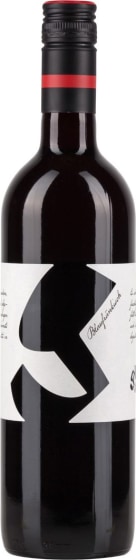
Zweigelt is Austria's most widely planted red grape, and it makes some of the best-value light reds in the world. The wines taste of sour cherry and light baking spice, with soft tannin and a clean, food-friendly finish. Most bottles fall in the $12 to $20 range, making Zweigelt an easy grape to explore without committing to an expensive bottle.
Zweigelt was created in 1922 as a cross between Blaufränkisch and Sankt Laurent, two other Austrian red grapes, and it inherited the best traits of both: the cherry fruit of one and the soft structure of the other. For warm-weather dinners, Zweigelt pairs well with grilled sausages and spicy dishes. Its bright acidity and gentle tannin refresh the palate between bites of richly seasoned food.
The single most important pairing principle for light-bodied reds is simple: high acidity in the wine cleanses your palate between bites, which means these wines work best with lighter, brighter foods. Heavy, fatty dishes tend to overwhelm a delicate red. Lighter proteins, fresh vegetables, and moderately spiced preparations let the wine shine.
Varietal
Best Warm-Weather Dinner Pairings
Why It Works
Pinot Noir
Grilled salmon, roast chicken
Acidity cuts through richness; soft tannin complements lighter proteins
Gamay (Beaujolais)
Charcuterie, grilled chicken, grilled vegetables
Very low tannin and bright fruit match casual, shareable plates
Grenache (Garnacha)
Spiced BBQ chicken, Mediterranean vegetables
Round fruit and pepper spice echo warm seasoning
Lambrusco
Pizza, burgers, cured meats
Bubbles and acidity scrub rich, salty, cheesy flavors
Frappato
Seafood pasta, citrus salads, grilled vegetables
Featherlight body and floral notes complement delicate dishes
Zweigelt
Grilled sausages, spicy dishes
Cherry fruit and crisp acidity refresh between bold bites
Serving temperature matters more for light reds than almost any other wine category. Here is a quick reference:
Pinot Noir: 55–60 degrees Fahrenheit
Gamay (Beaujolais): 54–59 degrees Fahrenheit
Grenache: 55–60 degrees Fahrenheit
Lambrusco: 49–54 degrees Fahrenheit
Frappato: 54–58 degrees Fahrenheit
Zweigelt: 54–59 degrees Fahrenheit
To hit these temperatures, place the bottle in your refrigerator for 15 to 20 minutes before serving. If you are short on time, an ice bucket with equal parts ice and water will chill a bottle in about 10 minutes. If your wine ends up too cold, just let it sit in the glass for a few minutes, and it will warm up quickly. For more seasonal pouring ideas, explore our guide to wines to enjoy in the spring.
Common Questions About Light-Bodied Red Wine
Light-bodied reds come with a few questions that new wine drinkers ask often. Here are the most common ones, answered plainly.
Can You Chill Light-Bodied Red Wine?
Yes, and you should. Light-bodied reds taste their best slightly below room temperature, in the 54 to 60 degree Fahrenheit range. Chilling brings out their acidity and fruit character, making them feel crisper and more refreshing. A short stint in the refrigerator, about 15 to 20 minutes, is all you need. If you accidentally over-chill the wine and it tastes muted, simply hold the glass in your hands for a minute or two. Your body heat will bring it back to a comfortable drinking temperature.
What Is the Difference Between Light-Bodied and Full-Bodied Red Wine?
Light-bodied reds have lower tannin, lower alcohol, and higher acidity. They feel thin and refreshing on your palate, like the difference between skim milk and cream. Full-bodied reds, such as Cabernet Sauvignon and Syrah, have higher tannin that creates a drying sensation, higher alcohol that adds weight and warmth, and deeper color. Both styles are great in their own way. Light reds are ideal for warm weather, lighter meals, and casual gatherings. Full reds are better suited for hearty dishes, cooler evenings, and meals built around rich, grilled meats.
Are Light-Bodied Red Wines Good for Beginners?
Light-bodied reds are among the most beginner-friendly wines you can try. Their lower tannin means you will not get that strong, dry, gripping sensation that can be off-putting if you are new to red wine. The fruit flavors tend to be bright and easy to identify: cherry, strawberry, raspberry. If you are choosing your first light red, start with a Pinot Noir or a Gamay from Beaujolais. Both are widely available, food-friendly, and approachable at every price point.
What Is the Best Light Red Wine for Summer?
Gamay from Beaujolais and Lambrusco are the two strongest picks for summer drinking. Gamay is juicy, low in tannin, and delicious when slightly chilled. Lambrusco adds bubbles to the mix, making it feel even more refreshing on a hot day. Both are easygoing with summer food: grilled meats, salads, pizza, and anything from a picnic basket. If you want to explore beyond these two, Frappato from Sicily and Zweigelt from Austria are excellent warm-weather discoveries.
Finding Your Light-Bodied Red
There is no wrong choice among these six grapes. Personal preference is what matters most, and every bottle you try teaches you something about what you enjoy. Some people gravitate toward the earthy complexity of Pinot Noir, and others prefer the pure fruit of Gamay or the floral delicacy of Frappato.
The best way to learn what you like is to explore the range. Start with a familiar grape like Pinot Noir if you want a safe first step. Branch out to Frappato or Zweigelt if you are feeling adventurous. Open a bottle of Lambrusco if you want something with bubbles that will surprise your dinner guests.
With thousands of bottles across every style and region, Wine.com makes it easy to find your next warm-weather pour. Browse light-bodied red wines at Wine.com and start exploring.