The Essential Barolo Guide: Regions, Styles, and What to Buy
Barolo earned the nickname "the wine of kings" in the 19th century, when the royal House of Savoy served it at state dinners across Piedmont. Today it remains one of Italy's most prestigious red wines: made from 100% Nebbiolo grapes, aged a minimum of 38 months before release, and produced exclusively in a handful of hillside communes southwest of Alba. The price range runs from around $30 for a well-made entry bottle to $300 or more for single-vineyard collector bottlings, and the differences between those tiers come down to where the grapes grow, how long the wine ages, and who makes it.
What Makes Barolo Different
If you have ever looked at a wine label and seen the letters "DOCG," that is Italy's highest quality designation, a guarantee that the wine meets strict production rules for grape variety, geography, and aging. Barolo holds DOCG status, and the rules are specific: the wine must be 100% Nebbiolo, a red grape variety known for high acidity, firm tannins (that drying, gripping sensation you feel on your gums), and aromas of rose, tar, and red cherry. Burgundy and Barolo are notable as single-varietal regions where 100% Pinot Noir and 100% Nebbiolo are mandated, which means the grape has nowhere to hide. Every bottle reflects Nebbiolo's character and the soil it grew in.
The aging requirement shapes the wine as much as the grape does. Every Barolo must spend at least 18 months in oak barrels and cannot be released until 38 months after harvest. Riserva bottlings extend that to 62 months. That time in barrel and bottle softens Nebbiolo's naturally aggressive tannins and develops the complex, layered flavors that collectors prize. It also explains the price: producers tie up capital and cellar space for years before a single bottle reaches a store shelf. For a newcomer picking up a first bottle, that built-in aging means even a $35 Barolo has already spent three years developing before you open it.
Barolo by Sub-Region
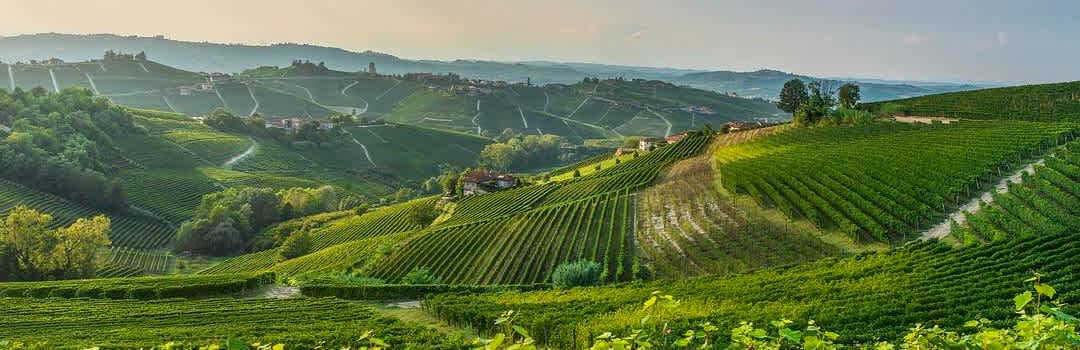
A Barolo from the village of Serralunga d'Alba and a Barolo from La Morra can taste like wines from different countries. The eleven communes (the small towns and surrounding vineyards) authorized to produce Barolo sit on different soil types and at different elevations, which gives each commune a distinct personality. Think of it this way: commune names on a Barolo label work like neighborhood names in a city, telling you what kind of character to expect before you take a sip.
1. Serralunga d'Alba
Wines from Serralunga d'Alba grow on compact sandstone soils that produce some of Barolo's most powerful, tannic bottles. These are wines built for patience: firm structure, deep concentration, and long cellaring windows that can stretch 15–25 years for top bottlings. If you prefer bold red wines with grip and intensity, Serralunga is the commune to explore first.
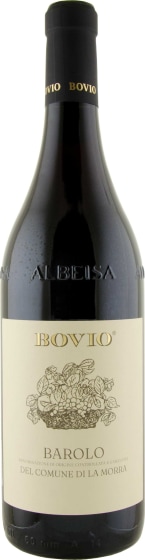
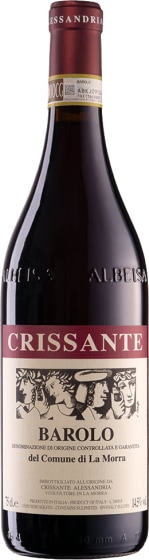
La Morra sits on calcareous marl soils that produce Barolo's most elegant, aromatic wines. These bottles tend to show brighter fruit, softer tannins, and a perfumed quality that makes them more approachable in their youth. For a first Barolo, La Morra is a forgiving place to start because the wines drink well younger than their Serralunga counterparts.
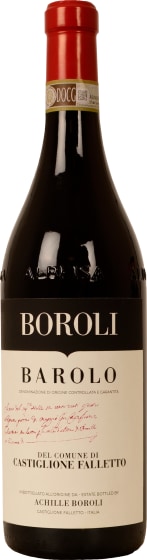
Castiglione Falletto sits between the power of Serralunga and the elegance of La Morra, both geographically and stylistically. Mixed soils of sandstone and clay produce wines with balanced tannins, generous fruit, and enough structure to age well without demanding a decade of patience. Many experienced Barolo drinkers consider this commune the sweet spot of the appellation (appellation meaning the legally defined wine-producing area).
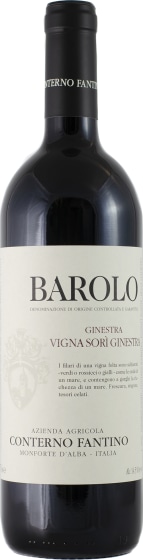
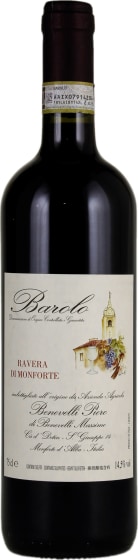
Monforte d'Alba produces structured, concentrated wines with generous dark fruit and firm tannins. The commune's steep hillside vineyards and clay-rich soils push Nebbiolo toward richer, more substantial expressions that share Serralunga's ageability but often carry a warmer, more generous fruit profile. These are serious wines that reward cellaring but can also show well after a couple of hours in a decanter (a glass vessel used to aerate and open up a young wine).
The town of Barolo itself produces wines that sit on the classic, refined end of the spectrum. Accessible tannins and a polished texture make these among the most approachable Barolos, and the commune's most famous vineyard site, Cannubi, has produced wine for centuries. For a dinner party bottle that does not require years of cellaring, Barolo village wines are a reliable choice.
You can find a genuine Barolo for around $30, or you can spend $300 and up. The gap comes down to three things: where the grapes are sourced, how long the wine ages beyond the legal minimum, and how small the production run is. Understanding those cost drivers helps you pick the right bottle for the occasion without overspending or underspending.
1. Under $40: Entry-Level Barolo
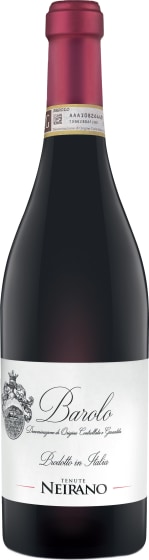
Entry-level Barolos typically blend fruit from multiple communes across the appellation, which keeps costs lower than single-vineyard wines. These bottles meet all the same DOCG aging requirements as their expensive siblings, so the quality floor is high. Tenute Neirano's Barolo is a good example of the category: sourced from vineyards across the appellation, aged the required 18 months in oak, and priced under $30. If you want to explore Nebbiolo at an even lower price point, Langhe Nebbiolo offers a lighter, earlier-drinking style for $20–$30 that shares the grape but skips Barolo's strict aging rules.
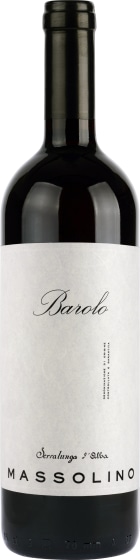
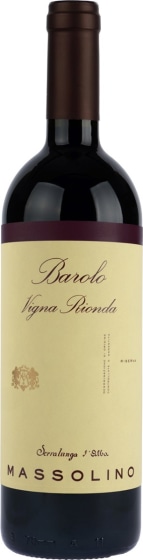
This tier is where single-commune sourcing starts to appear, meaning the grapes come from one specific village rather than a blend across the region. Longer aging programs and smaller production volumes add complexity and concentration. Massolino's Barolo bottling draws from estate vineyards in Serralunga d'Alba and spends additional time in barrel beyond the minimum, which develops a richer, more layered wine. New French oak barrels run $1,200 or more per barrel, and producers at this tier typically use a mix of new and seasoned oak to balance cost and flavor. A standard barrel holds about 300 bottles, so the oak program alone can add several dollars per bottle in production cost.
Collector-grade Barolos come from single vineyards, sometimes called "cru" sites (the Italian term for a specific, named vineyard with a documented track record of quality). These wines spend extended time in barrel and bottle before release, and production often runs just a few hundred cases. Top Barolo and Brunello typically need 10–15 years to soften their structural tannins, so buying at this tier means investing in patience. Giacomo Conterno's single-vineyard bottlings are among the most sought-after wines in Italy, produced in small quantities and allocated to retailers rather than sold on the open market. If you are building a cellar or looking for a special-occasion gift that will improve for a decade or more, this is the tier to explore.
Barolo's high acidity and firm tannins make it a natural partner for rich, savory dishes that need a wine with enough backbone to stand up to them. The classic pairings come straight from Piedmont's own kitchen, where Barolo has been served alongside local food for generations. Tagliarini, agnolotti, and dishes finished with shaved white truffle are all traditional companions, and the combination of Barolo's earthy character with truffle's intensity is one of Italian red wine's greatest food matches.
Braised short ribs or osso buco: the slow-cooked, falling-apart richness of braised meat softens Barolo's tannins and lets the wine's cherry and spice notes come forward
Truffle pasta: fresh egg noodles with shaved white truffle or truffle butter create a dish whose earthy, savory depth mirrors Barolo's own terroir-driven character
Aged hard cheeses: Parmigiano-Reggiano or aged Pecorino match Barolo's intensity without overwhelming its aromatics
Roasted game or lamb: venison, duck, or rack of lamb provide enough fat and flavor to complement a full-bodied Barolo
Rich mushroom risotto: an unexpected match, Barolo with a porcini mushroom risotto works because both share deep, earthy flavors that amplify each other on the palate
Serve Barolo at 60–65°F. If the bottle is young (under eight years old), decanting for one to two hours opens up its aromas and softens its tannins. For older bottles, limit decanting to 30 minutes or less: extended air exposure can cause fragile aged wines to fade quickly.
Barolo Questions, Answered
What Does Barolo Taste Like?
Barolo is famous for a flavor combination that sounds unusual until you taste it: rose petals, tar, and red cherry. Young bottles tend toward bright cherry and floral aromatics with firm, drying tannins that grip your palate. As the wine ages, those tannins soften and new flavors emerge, including leather, dried herbs, and tobacco. The color can be deceptive: Barolo often pours a pale garnet that looks delicate, but the flavor intensity and tannin structure are anything but light.
Is Barolo Worth the Price?
Every bottle of Barolo has already spent at least three years aging before it reaches a shelf, and the mandatory 18 months in oak barrels tie up expensive cellar space the entire time. Those production requirements mean Barolo costs more than most Italian reds at every tier. The value equation depends on the occasion: a $35 entry-level Barolo delivers complexity you would struggle to find in other Italian reds at the same price, and a $75 single-commune bottle offers structure and aging potential that compete with wines costing twice as much from Burgundy or Napa Valley.
How Is Barolo Different from Brunello?
Both are prestigious Italian reds made from a single grape variety, but they come from different regions and different grapes. Barolo is 100% Nebbiolo from Piedmont in northwestern Italy, while Brunello di Montalcino is 100% Sangiovese from Tuscany in central Italy. Nebbiolo tends toward higher acidity and firmer tannins, giving Barolo a more structured, age-demanding profile. For a deeper comparison, read our Brunello vs. Barolo guide.
How Long Should I Age Barolo?
Drinking windows depend on the tier. Entry-level Barolos under $40 are designed to drink well within five to eight years of the vintage and do not need extended cellaring. Mid-range bottles in the $40–$75 range benefit from five to fifteen years of age, developing more complexity as tannins soften. Collector-grade Barolos at $75 and above can age for 10–25 years or more, and many improve steadily over that period. If you open a young Barolo and find the tannins too firm, decanting for an hour or two can help bridge the gap.
Where to Start with Barolo
There is no wrong first Barolo. Whether you grab a $35 multi-commune blend for a Tuesday dinner or save a single-vineyard bottle for a birthday, personal preference matters more than any buying rule. The commune names and price tiers in this guide give you a starting compass, not a prescription.
Wine.com carries one of the largest Barolo selections available online, spanning entry-level bottles from across the appellation to allocated single-vineyard crus from the most respected producers. Trying bottles from different sub-regions and price tiers is the fastest way to learn what you like.