The 5 Smooth Red Wines Every Beginner Should Try First
Red wine does not have to taste bitter or harsh. Many people who think they dislike reds have simply started with the wrong bottle: big, bold wines built for aging, not for easy sipping. The good news for anyone hunting an easy red wine for beginners is that several grapes make soft, fruit-forward reds that go down smoothly from the very first glass.
The Basics of Smooth, Low-Tannin Reds
Take a sip of a big red and you may notice a dry, grippy feeling that makes your mouth pucker, a little like over-steeped black tea. That sensation comes from tannin, a natural compound in grape skins and seeds that adds structure but can turn bitter in large amounts. Smooth reds keep tannin low, so soft, juicy fruit is what you taste first.
Why Some Reds Taste Bitter
Bitterness and that drying grip usually come down to high tannin, plus oak aging and warm serving temperatures that make the sharp edges stand out more. If you want the full science of why reds feel harsh and how tannin works, our low-tannin red wine guide breaks it all down.
What "Smooth" Actually Means in a Glass
Smooth is really a mix of three things you can feel: low tannin, ripe fruit flavor, and a soft, round texture. A smooth red slips across your tongue without that dry pull, so it tastes gentle and easy rather than sharp. These are the reds that win people over after bolder bottles have scared them off.
Five Smooth Reds to Start With
Five grapes deliver that soft, fruity style more reliably than the rest, and each one is easy to find. They range from feather-light to richer and jammy, so there is a smooth red here for every taste. Start at the top of the list if bitterness has been your main complaint.
1. Pinot Noir
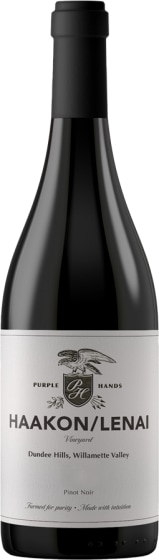
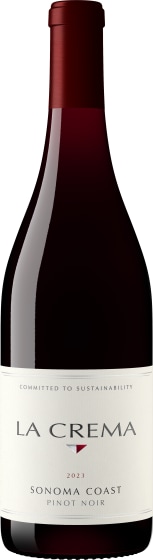
Pinot Noir is the red most experts hand to newcomers first, and for good reason. It is light in body, low in tannin, and full of bright red fruit like cherry and strawberry. There is very little of that drying grip, so it tastes clean and gentle.
Because it is so soft, Pinot Noir pairs with almost any meal, whether that is roast chicken, salmon, or a simple bowl of pasta. If you have found reds too heavy or bitter in the past, this is the safest place to begin.
Sonoma Coast, Sonoma County, California ● Pinot Noir
90 Wine Enthusiast
$28
$19.97
2. Merlot
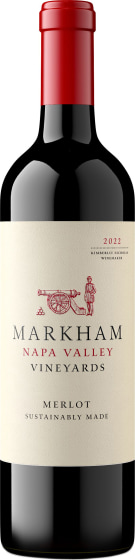
If a red once tasted too bitter, Merlot is the classic fix. Its tannins are soft and its fruit is round and plummy, which gives the wine a smooth, almost velvety feel. It has a little more body than Pinot Noir but stays easy to drink.
Merlot is a natural match for the food most of us eat during the week, including burgers, roast beef, and a simple cheese board. Reach for it when you want something comforting and low-risk with dinner.
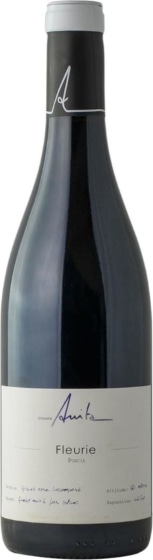
Here is a name that trips up beginners: Gamay is the grape, and Beaujolais is the French region where it shines. Wines labeled Beaujolais Gamay are light, juicy, and very low in tannin, with a burst of fresh red fruit. Few reds are this easy to sip on their own.
Serve it slightly chilled and it becomes even more refreshing, almost like a red you can enjoy in summer. It is a crowd-pleaser at picnics, with roast chicken, or alongside a Thanksgiving spread.
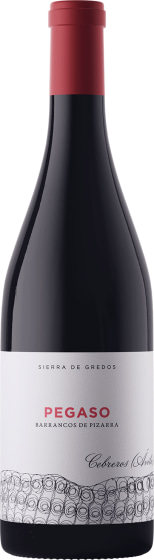
You will see this grape as Grenache in France and Garnacha in Spain, but it is the same warm, generous red. It offers ripe red-berry fruit and a soft, rounded feel that newcomers take to quickly. Grenache tastes a touch riper and fuller than Pinot Noir, without turning heavy or harsh.
It is a friendly partner for grilled vegetables, lamb, or tomato-based pasta. Open a bottle when you want a red with a little more warmth but none of the bite.
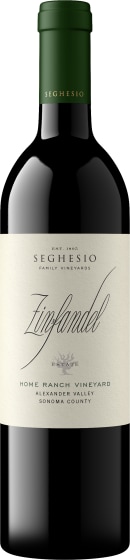
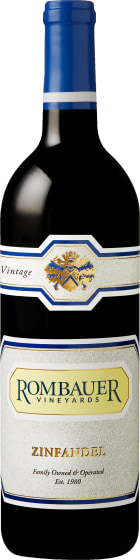
In Italy this grape is called Primitivo, while in California it goes by Zinfandel. Both make bold, fruity reds. Zinfandel leads with jammy flavors of blackberry, raspberry jam, and ripe plum, wrapped in a soft, easy texture. It is the richest pick on this list, but the ripe fruit keeps any bitterness in check.
That big fruit makes Zinfandel a great match for barbecue, pizza, or burgers off the grill. If you like a red with plenty of flavor, start right here.
A blend mixes two or more grapes in the same bottle, and winemakers often use that freedom to smooth out any rough edges. One grape brings juicy fruit, another adds softness, and the result is usually gentle and easy to drink. That is why so many beginner-friendly reds are blends rather than a single grape.
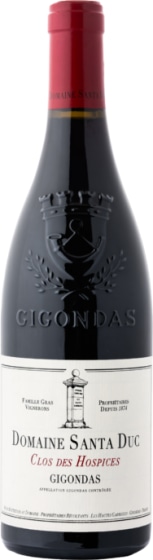
Some of the smoothest come from the south of France, where Grenache, Syrah (also called Shiraz), and Mourvèdre are blended into what is often called a GSM, after the first letter of each grape. Soft, fruit-forward red blends from California do the same job in a slightly riper, rounder style. Either way, you get a wine built to please rather than challenge.
You do not need to spend much to drink well as a beginner, so it helps to think in three simple price bands. Entry-level reds under about $15 are fine for everyday sipping and low-risk experimenting. Everyday bottles in the $15 to $25 range are the sweet spot for most newcomers, where the jump in quality is easy to taste. Step-up reds from $25 to $40 give you a finer, smoother texture and cleaner fruit for a special dinner.
What do those extra few dollars actually buy? Usually a softer feel and riper, cleaner fruit, since better grapes and careful aging cost more to produce. A new French oak barrel, for example, can cost more than $1,200, and that expense ends up in the price of the bottle. For your first red, the $15 to $25 range gives you the most reward for the money.
What to Eat with Smooth Reds
Smooth reds are easy to pair because their soft fruit gets along with everyday food. Here are a few matches that rarely miss.
Pizza: the tomato and cheese love a fruity red like Zinfandel or a soft blend
Roast Chicken: a light Pinot Noir or Gamay keeps things gentle and lets the meal shine
Pasta With Red Sauce: bright, juicy reds match the acidity in a tomato sauce
Burgers and Grilled Meat: richer picks like Merlot or Zinfandel stand up to the char
Mild Cheeses: soft, creamy cheeses smooth out any last trace of bitterness
One easy trick makes a big difference: serve your smooth red slightly cool, around 60 to 65°F, rather than at room temperature. A cooler pour tames the alcohol and softens any bitterness, so the fruit tastes fresher. Fifteen minutes in the fridge before you open the bottle is all it takes.
Smooth Red Wine Questions, Answered
Why Do Some Red Wines Taste Bitter?
Bitterness in red wine usually comes from tannin, the natural compound in grape skins and seeds that creates a dry, grippy feeling. Bold reds made for aging carry more of it, which can taste harsh while the wine is young. Oak aging and a warm serving temperature can push those bitter edges further. The fix is simple: choose low-tannin, fruit-forward reds and serve them slightly cool.
Which Red Wine Is the Smoothest for a Beginner?
For pure smoothness, it is hard to beat Pinot Noir and Gamay. Both are light, low in tannin, and full of fresh fruit, so they go down easily. Merlot is close behind, with a rounder, plummier feel that many people love right away. Any of the three is a safe first bottle.
Should I Start with Pinot Noir or Merlot?
Both are excellent starting points, and the choice comes down to what you like. Pick Pinot Noir if you want something light, delicate, and food-friendly for meals like chicken or salmon. Choose Merlot if you prefer a little more body and a soft, plummy richness. If bitterness has been your main worry, Merlot's round texture makes it the gentler landing spot.
How Much Should I Spend on My First Bottle of Red?
You can find a genuinely good beginner red for under $15, so there is no need to overspend. The $15 to $25 range is the real sweet spot, where smoothness and fruit quality take a clear step up. Spending a little more buys a softer texture and cleaner flavor, not just a fancier label. For your first few bottles, staying under $25 gives you the most enjoyment for the money.
Are Sweet or Off-Dry Reds a Good Place to Start?
Yes, a touch of sweetness can be a friendly bridge into red wine. Off-dry means a wine that tastes just a little sweet rather than fully dry, and that hint of sugar softens any bitterness. Many beginners enjoy a slightly sweet red before moving toward drier styles. If sweeter is what you like, there is nothing wrong with starting there and exploring from that comfort zone.
Where to Start with Smooth Reds
You now have a simple plan for smooth reds. If bitterness has put you off before, start with Pinot Noir or Merlot, and serve the bottle slightly cool to keep it soft. Remember that a few extra dollars, in the $15 to $25 range, buy noticeably cleaner fruit and smoother texture. Try two grapes side by side to learn what your palate prefers.
That is where a big selection helps. Wine.com offers the world's largest selection of wine, with more than 16,000 bottles, so you can compare smooth reds across grapes, regions, and price bands in one place.
Once you know the style you like, the next bottle is easy to find. Browse smooth red wines at Wine.com and pick one that fits tonight's meal.