Wedding Champagne, Explained: Styles, Bottles, and What to Pour
Champagne turns a wedding toast into a shared ritual. Choosing the right bottle means balancing your guest count, your budget, and a flavor profile that keeps everyone reaching for a second sip. This guide covers the styles, price tiers, and sparkling alternatives that make the decision straightforward.
Champagne at a Glance
Only sparkling wine produced in the Champagne region of northeastern France, using the traditional method of secondary fermentation in the bottle, earns the name Champagne. That geographic requirement is the first thing to know when shopping, because it sets a price floor. Everything labeled Champagne has passed through the same regulated process, but bottles vary widely in sweetness, grape blend, and aging.
The dosage, a small addition of sugar before the bottle is sealed, determines sweetness. Brut Nature (0 to 3 g/L of residual sugar) tastes tart and austere. Extra Brut (0 to 6 g/L) lands in focused, citrus-driven territory. Brut (0 to 12 g/L) adds a touch of richness that rounds out the acidity. For wedding purposes, brut is the category that matters most. It accounts for the vast majority of Champagne sold and appeals to the widest range of palates.
Beyond sweetness, the buying decision splits into two camps: non-vintage (NV) and vintage. NV Champagnes blend multiple harvest years for consistency. They are the workhorses of wedding receptions. Vintage Champagnes come from a single exceptional year and cost more, but they reward a smaller, more attentive audience.
Why Brut Is the Wedding Standard
The vast majority of wedding Champagne falls in the brut category, and the reason is practical. Brut sits in a sweet spot where the wine reads as dry to most palates without tasting sharp or aggressive. It pairs easily with everything from passed hors d'oeuvres to cake, and it photographs well in a flute.
That said, brut is not the only option. Rosé Champagne adds visual warmth and a fruitier flavor that suits garden or summer weddings. Demi-sec, with its higher sugar content, can be a smart pairing for dessert courses. But when you need a single style to cover an entire reception, brut delivers the broadest appeal.
What to Spend on Wedding Champagne
The gap between a $42 bottle and a $70 bottle of Champagne reflects three things: aging time, blending complexity, and the scale of the producer. Large-scale Champagne houses may produce 100,000 or more cases of a single label, keeping per-bottle costs lower. Boutique estates often produce under 1,000 cases, which concentrates both flavor and price.
1. Under $45: Crowd-Pleasing Pours for Large Guest Lists
At this tier, you are buying reliable NV brut from cooperative or large-house producers. The wines deliver clean, crisp bubbles with straightforward apple and citrus flavors. They taste celebratory without asking guests to slow down and analyze what is in the glass.
Nicolas Feuillatte operates as one of France's largest cooperatives, pooling fruit from growers across the Champagne appellation. Their Réserve Exclusive Brut sits near the entry point for standard-bottle Champagne on Wine.com, carrying a 95 Decanter rating and a 92 Wine Spectator score. That cooperative scale keeps the price accessible while maintaining consistent quality, making it a practical choice when you need several cases.
Moving into this range, you start noticing finer mousse, longer finishes, and more layered flavor. The wines spend additional time aging on their lees, which builds complexity. This is where many recognizable labels live, and the bottles tend to photograph as well as they taste.
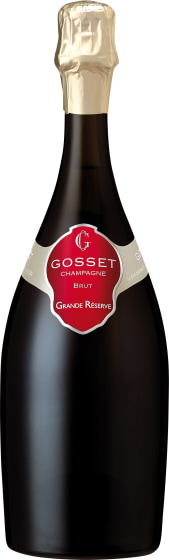
Gosset, established in 1584, is the oldest wine house in Champagne. Their Grande Réserve Brut ($54.99) carries a 94 Decanter rating and a 92 Wine Spectator score, with Wine.com's Most Gifted badge confirming its popularity for celebrations. Another strong pick: Piper-Heidsieck Cuvée Brut ($52.99), a Wine.com Top 100 of 2025 selection with a 92 Decanter and 91 Wine Spectator rating. Both houses produce at a scale that keeps quality consistent bottle to bottle, which matters when ordering by the case.
3. $60 and Above: Prestige Pours for an Intimate Toast
Prestige cuvées sit at the top of each house's production. They come from the best vineyard sites, spend years aging before release, and are produced in limited quantities. Single-vineyard bottlings in Champagne typically yield 1 to 2 tons per acre versus 4 to 6 tons for broader regional blends, concentrating flavor and driving up cost.
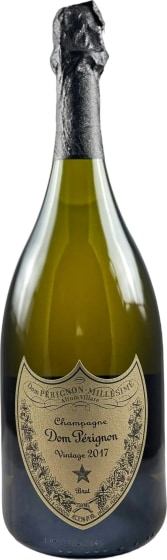
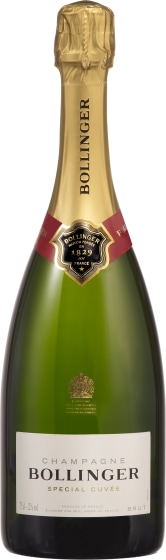
This tier makes sense for small weddings where every guest will notice the difference, or for a single splurge bottle reserved for the couple's private toast. Dom Pérignon Vintage 2015 ($289.97, 97 James Suckling) anchors the top shelf. For an accessible entry into prestige territory, Bollinger Brut Special Cuvée ($69.99) delivers house-style richness at the lower end of this range.
The difference between a citrus-bright blanc de blancs and a fruit-forward rosé shows up in the first sip. Grape selection drives most of that variation. Champagne relies on three primary grapes, Chardonnay, Pinot Noir, and Pinot Meunier, and the proportions in the blend shape everything from color to body to how the wine pairs with food.
1. Classic Brut: The Universal Crowd-Pleaser
Classic brut blends all three Champagne grapes in proportions that vary by house. The flavor profile tends toward green apple, lemon zest, and toasted brioche, with a mousse that feels persistent but not aggressive. These wines are built to appeal across palates, which is exactly what a wedding toast demands.
Brut works as the default wedding pour because it does not compete with food, conversation, or the moment itself. It reads as festive without requiring attention. For large guest lists and traditional receptions, this style keeps the logistics simple and the glasses empty.
Blanc de blancs Champagne is made entirely from Chardonnay, which gives it a lighter body and a brighter acidity than blended brut. Expect citrus peel and white flowers with a chalky mineral finish. The texture leans sleek and precise, with less of the toasty roundness found in Pinot-heavy blends.
This style pairs especially well with spring and summer weddings where the menu runs lighter: raw bar, grilled fish, salads with citrus vinaigrette. If your guests tend to prefer crisp white wines, blanc de blancs will land well. It also photographs beautifully, with a pale gold color that catches light.
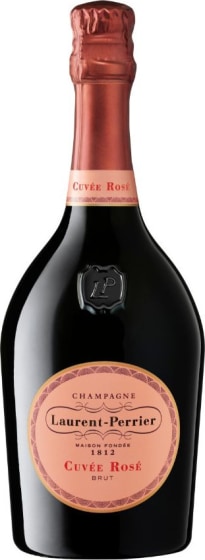
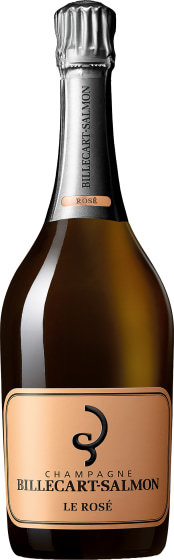
Rosé Champagne gets its pink hue from brief contact with Pinot Noir skins or, more commonly, by blending a small amount of still red wine into the base. The result is a fuller-bodied Champagne with flavors of strawberry, raspberry, and dried rose petal. The texture feels rounder and slightly richer than white Champagne at the same quality level.
The visual appeal is obvious for weddings, particularly garden receptions and romantic settings. Rosé typically costs more than its white counterpart from the same producer, a premium driven by the additional production steps. For couples who want something distinctive that photographs as well as it tastes, rosé Champagne delivers on both counts.
True Champagne is not the only sparkling wine that works for a wedding toast. Several other regions produce traditional-method sparkling wines that deliver celebratory bubbles at a fraction of the price. The key distinction is production method: wines made using the same bottle-fermentation technique as Champagne tend to have finer, more persistent bubbles and a creamier texture.
1. Crémant: French Bubbles Without the Champagne Price
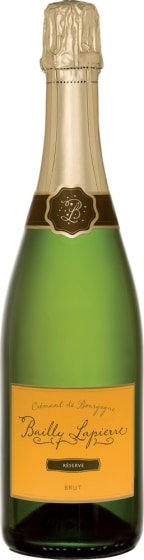
Crémant is France's term for its finest dry sparkling wines made outside the Champagne region using the traditional method. The principal regions are Alsace, Bourgogne (Burgundy), Loire, and Limoux. Strict production rules govern everything from whole-bunch pressing to a minimum of 12 months aging before release.
Crémant d'Alsace accounts for 22% of the region's total wine production. Winemakers there primarily use Pinot Gris, Pinot Blanc, Pinot Noir, and Riesling. Crémant de Bourgogne can draw on any grape grown in Burgundy, representing about 7% of the region's output. For couples who want French sparkling with a traditional-method pedigree at $15 to $25 per bottle, Crémant is the closest alternative to Champagne in style.
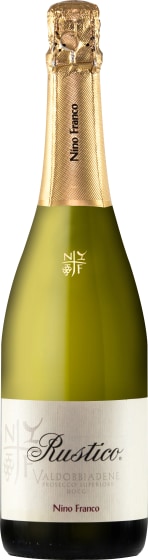
Prosecco comes from northeastern Italy and uses the Charmat method, where secondary fermentation happens in large tanks instead of individual bottles. The result is a lighter, fruitier sparkling wine with softer bubbles and a more approachable flavor profile. Expect notes of green apple, pear, and white peach.
The texture difference from Champagne is noticeable. Charmat-method wines tend to have a gentler, less persistent mousse. That lighter character makes Prosecco ideal for casual receptions, large guest lists on a tight budget, and mimosa bars. It is not trying to be Champagne, and at $12 to $20 per bottle, it does not pretend to be.
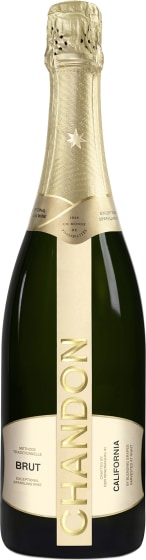
California's sparkling wine industry carries a direct lineage from Champagne. In 1973, Moët & Chandon purchased 200 acres in Napa Valley and established Domaine Chandon. Over the following fifteen years, half a dozen top Champagne firms set up operations in California, bringing traditional-method expertise to New World vineyards.
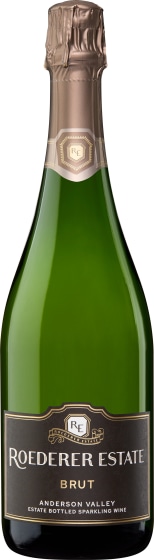
The leading California sparkling wine houses today include Schramsberg, Domaine Carneros (affiliated with Taittinger), and Roederer Estate (owned by the Champagne house Roederer). These producers use the same grape varieties and bottle-fermentation technique as their French counterparts. For couples who want domestic sparkling wine with serious quality, California offers the strongest options.
Anderson Valley, Mendocino, California ● Non-Vintage
95 Jeb Dunnuck
95 James Suckling
94 Decanter
93 Tasting Panel
93 Wine Spectator
92 Robert Parker
91 Wine & Spirits
90 Vinous
$37.99
$37.99
Wedding Champagne at the Table
Champagne's acidity and effervescence make it one of the most food-flexible wines you can pour at a reception. Matching the right style to each course keeps the pairing specific to what is on the plate.
Passed appetizers (canapés, shrimp cocktail, cheese boards): Classic brut handles this course effortlessly. The acidity cuts through rich cheeses and buttery pastry, while the bubbles refresh the palate between bites
Plated fish or chicken: Blanc de blancs works especially well here. Its lighter body and citrus-driven acidity complement delicate proteins without overwhelming them
Plated steak or lamb: A fuller brut with Pinot Noir dominance, or a rosé Champagne, provides enough body to stand alongside red meat. The fruit weight and texture meet the richness of the protein
Wedding cake: Brut Champagne works well with vanilla and butter-based cakes because the wine's acidity balances the sweetness. For berry-topped or fruit-forward desserts, rosé Champagne echoes the flavors on the plate. Demi-sec Champagne, with its higher residual sugar, matches chocolate or caramel desserts directly
Late-night bites (pizza, sliders, fries): Brut Champagne and Prosecco both pair well with casual, salty food. The bubbles and acidity act as a palate cleanser, and the informality of the food matches the lighter mood of the after-party
How Much Champagne Do You Need?
Planning quantities starts with one question: are you serving Champagne for the toast only, or throughout the reception?
For a toast-only pour, plan on one bottle for every 6 to 8 guests. A standard 750ml bottle yields about six flute pours, and most guests will drink one glass for the toast. The quick formula: divide your guest count by 6, then add a 10% buffer for spillage, extra pours, and the wedding party toasting early.
For full reception service where Champagne flows through cocktail hour and dinner, plan on one bottle for every 2 to 3 guests. This accounts for multiple glasses per person over several hours.
Timing is forgiving with NV Champagne. Buying 2 to 4 weeks before the wedding gives you enough lead time for delivery without requiring special storage. Chill bottles in a standard refrigerator for 3 to 4 hours before service, or use ice buckets filled with equal parts ice and water for faster cooling at the venue.
Wedding Champagne Questions, Answered
Is Prosecco an Acceptable Substitute for Champagne at a Wedding?
Prosecco is a perfectly fine choice for a wedding toast, especially for larger guest lists where budget matters. It delivers bubbles and festivity at a lower price point, and most guests will not notice the production-method difference. The main trade-off is texture: Prosecco has a softer, lighter mousse than Champagne because it uses tank fermentation instead of bottle fermentation. If you are serving wine-savvy guests at an intimate dinner, Champagne or Crémant will make a stronger impression. For a casual reception or a mimosa bar, Prosecco is ideal.
Should I Serve Brut or Sweet Champagne for the Toast?
Brut is the safer choice for a crowd. Its dry-to-off-dry profile appeals to the widest range of palates, pairs with nearly any food, and avoids the polarizing sweetness that some guests find cloying. Demi-sec (the sweeter style) works better as a dessert pairing than as a toast pour. If you want to offer both, serve brut for the toast and pour demi-sec alongside the wedding cake. That way every guest gets a style that matches the moment.
Can I Mix Champagne Brands for the Wedding?
Mixing brands is common and practical. You might serve an under-$45 NV brut Champagne for the reception-wide toast and save a prestige bottle for the head table or the couple's private moment. The key is keeping all your toast-pour bottles in the same style category (all brut, or all rosé) so the experience feels cohesive even if the labels differ. Guests rarely compare bottles across tables, so mixing brands is a smart way to manage your budget without sacrificing quality where it counts.
How Far in Advance Should I Buy Wedding Champagne?
Two to four weeks before the wedding is plenty of lead time for NV Champagne. These wines are released ready to drink and do not benefit from additional aging at home. Order early enough to account for shipping times, but there is no need to cellar bottles for months. Store them on their sides in a cool, dark place (55 to 65 degrees Fahrenheit is ideal) and move them to the refrigerator the day before the event.
What Is the Difference Between Champagne and Sparkling Wine?
Champagne is sparkling wine, but not all sparkling wine is Champagne. The distinction is geographic: only sparkling wine produced in the Champagne region of France, using specific grape varieties and the traditional method of bottle fermentation, can legally carry the name. Sparkling wines from other regions go by different names: Crémant in other parts of France, Prosecco in Italy, Cava in Spain, and simply "sparkling wine" in California and other New World regions. Many of these alternatives use the same production method as Champagne and deliver comparable quality, often at a lower price.
Your Next Bottle
For a large reception, an under-$45 NV brut like Nicolas Feuillatte handles the toast with clean bubbles and broad appeal. A garden wedding with a lighter menu calls for blanc de blancs, where the Chardonnay-driven brightness matches the setting and the food. And for the couple's private moment, a prestige cuvée turns a single glass into something worth remembering.
Before committing to a full case order, try a bottle from each price tier or style you are considering. Open them at home with your partner, taste them side by side, and pick the one that fits your palate and your budget. A tasting of three or four bottles costs less than a single centerpiece arrangement and tells you more about what your guests will enjoy.