The word "vintage" on a Champagne label means something specific: every grape in that bottle came from a single harvest year. It does not mean the wine is old, rare, or automatically superior. Vintage Champagne represents one end of a broad spectrum, with non-vintage (a blend of multiple years' harvests) making up more than 90% of all Champagne production, and the two styles serve very different purposes worth understanding before your next purchase.
Vintage Champagne at a Glance
Most Champagne is non-vintage, often labeled "NV," meaning it blends grapes from several different harvest years to create a consistent house flavor year after year. Vintage Champagne takes a different approach. When conditions in the vineyards are exceptional, a producer may decide to bottle a wine made entirely from that single year's grapes, putting the year on the label as a statement of quality and character.
What sets a vintage bottling apart starts in the cellar. French wine law requires vintage Champagne to age on its lees (the spent yeast cells left over after fermentation, which add richness and complexity) for a minimum of 36 months. Compare that to the 15-month minimum for non-vintage bottles. Many top producers go well beyond the minimum, aging their vintage wines for five years or more before release. The result is a wine with deeper flavor development and a more distinctive personality tied to the conditions of one particular growing season.
What "Vintage" Means on the Label
When you see a four-digit year printed on a Champagne bottle, you are looking at a vintage Champagne. The French term for this is "millesime," and it means 100% of the grapes inside were harvested in that single year. The year is not a production date or a bottling date. It refers to when the grapes were picked. A bottle labeled 2016, for example, contains only grapes from the 2016 harvest, and the wine spent years aging before it reached the shelf. For newcomers, the simplest way to think about it: if there is a year on the front label, it is vintage. If there is no year, it is non-vintage.
How a House Decides to Declare a Vintage
No governing body tells a Champagne house when to declare a vintage year. The decision belongs entirely to each individual producer, and it is an editorial call based on grape quality, weather patterns during the growing season, and the house's own standards. Historically, most houses declared a vintage about three out of every ten years, reserving the designation for harvests they considered exceptional. Climate warming has shifted that calculus. Warmer temperatures are producing riper, more consistent fruit, and some houses now declare more frequently than in decades past. Two houses may also disagree about the same year: one might declare a vintage while its neighbor does not, because each applies its own quality threshold, which is one reason exploring the Champagne category rewards curiosity.
Vintage vs. Non-Vintage: What's the Difference?
These two categories serve fundamentally different goals. Non-vintage Champagne is designed to taste the same bottle after bottle, year after year, reflecting a house's signature style. Vintage Champagne is designed to capture what made one specific year distinctive. Here is how they compare:
Grape sourcing: NV blends grapes from multiple harvest years (typically 60-80% current harvest plus 20-40% reserve wines from prior years). Vintage uses 100% of a single year's harvest
Aging requirements: NV must age a minimum of 15 months on its lees. Vintage must age at least 36 months, and most producers age far longer
Purpose: NV aims for consistency, delivering a recognizable house style across every release. Vintage aims for expression, showcasing the unique character of one growing season
Production volume: Vintage Champagne accounts for less than 10% of total Champagne production. NV makes up the vast majority
Vineyard quality: NV typically draws from a broad range of vineyard sites. Vintage bottlings tend to use fruit from a house's top-rated vineyards, often classified as Premier Cru or Grand Cru (the highest-quality vineyard designations in the region)
Price: Vintage bottles generally start around $50 and climb well past $200 for prestige bottlings, reflecting the longer aging and more selective fruit sourcing
Where Multi-Vintage (MV) Fits In
Some producers have begun labeling their non-vintage Champagne as "multi-vintage" or "MV" instead of "NV." This is a marketing decision, not a regulatory distinction. The wines are made the same way, blending multiple years to achieve consistency. The new terminology emphasizes that the blending process is intentional and skilled, not a fallback. Functionally, MV and NV are identical.
The Taste of Vintage Champagne
The extra aging time that vintage Champagne spends on its lees transforms the wine's flavor profile in ways you can taste immediately, even without experience. Non-vintage Champagne tends toward bright, crisp fruit flavors: green apple, citrus, and fresh bread dough. Vintage Champagne develops what wine professionals call "autolytic" character, a set of richer, deeper flavors that come from extended contact with yeast cells.
Those flavors often show up as toasted almond, brioche, cream, and honeycomb layered alongside the fruit. The bubbles in vintage Champagne can also feel different: finer, more integrated into the wine instead of fizzing separately on top of it. Where an NV bottle aims to be refreshing and immediately appealing, a vintage bottle rewards a slower pace. Swirl the glass, let it warm slightly from cellar temperature, and the complexity unfolds in layers. The goal is not to be "better" than NV, but to be more individual, a snapshot of a place and a season, distinct from a house's ongoing signature. For a broader look at how bubbles are made outside the Champagne region, see the sparkling wine guide.
What to Spend on Vintage Champagne
Single-vineyard bottlings typically yield 1-2 tons per acre versus 4-6 tons for broader regional blends, and that concentration of flavor is one reason vintage Champagne costs what it does. The price range spans from accessible entry points around $50 to collector-level bottles past $200, and each tier delivers something different.
1. Entry-Level Vintage ($50–$80)
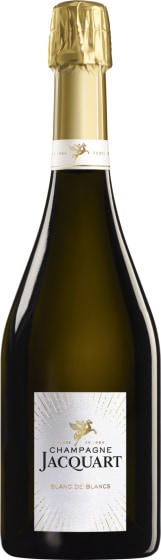
This tier offers your first step into single-year Champagne without a major financial commitment. Entry-level vintage bottles receive the same minimum 36 months of aging that the category requires, giving them noticeably more depth than a typical NV at a similar price. The fruit sourcing is more selective than non-vintage, and you can expect flavors that lean toward toasted bread, ripe citrus, and a creamier texture on the palate. Jacquart, for example, produces a Blanc de Blancs (a Champagne made entirely from Chardonnay grapes) that demonstrates how a single grape variety from a single year can deliver focused, elegant complexity at a price that makes exploration easy.
-
Champagne, France ● Vintage
-
Champagne, France ● Vintage
-
93 Jeb
Dunnuck -
92 Vinous
-
91 Wine
Spectator
2. Prestige Cuvée ($100–$200)
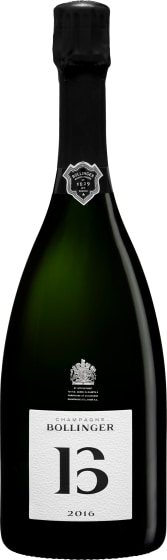
Prestige cuvées represent a house's flagship vintage offering. The differences from entry-level are tangible: aging often extends to five years or more on the lees, fruit comes from the most highly rated vineyard sites, and selection is more rigorous at every stage. Hand-sorting at harvest eliminates 5-15% of the fruit, reducing yields but improving concentration. These are wines built for the table, with enough structure to stand alongside rich dishes and enough nuance to hold your attention across an entire evening. Taittinger's Brut Millesime showcases the depth and finesse that longer aging and stricter grape selection can achieve, while Bollinger's approach emphasizes structure and intensity drawn from extended cellar time.
-
Champagne, France ● Vintage
-
97 Decanter
-
94 Jeb
Dunnuck -
94 James
Suckling -
93 Wine
Spectator -
91 Robert
Parker
-
Champagne, France ● Vintage
-
96 James
Suckling -
95 Wine
Spectator -
94 Robert
Parker -
93 Decanter
3. Collector-Tier Vintage ($200+)
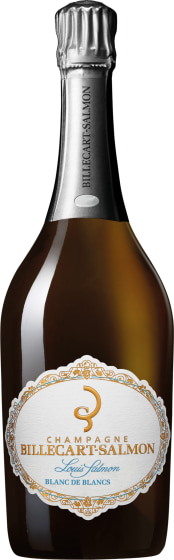
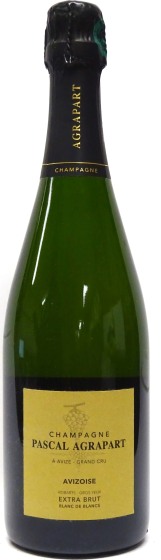
At this level, production quantities shrink dramatically and allocation lists replace open shelves. Collector-tier vintage Champagnes often come from single vineyards or micro-plots within Grand Cru villages, aged for a decade or longer before release. These bottles are designed to evolve in your cellar for years after purchase, developing layers of dried fruit, spice, and mineral complexity that emerge slowly over time. The pricing reflects scarcity as much as quality: limited production runs, meticulous vineyard management, and extended aging all contribute. Billecart-Salmon's Louis Salmon bottling and Agrapart's Avizoise represent two different philosophies at this tier, one blending tradition with precision, the other championing a single-vineyard identity.
-
Champagne, France ● Vintage
-
97 Vinous
-
96 James
Suckling -
96 Robert
Parker
-
Champagne, France ● Vintage
-
97 James
Suckling -
97 Vinous
-
95 Robert
Parker
What to Eat with Vintage Champagne
Vintage Champagne's richer texture and deeper flavor profile opens up pairing possibilities that go well beyond the appetizer course. The extra complexity from extended aging means these wines can handle dishes with more weight and intensity than a typical NV bottle. Vintage Champagne belongs at the dinner table as much as it does at the cocktail hour.
- Seared scallops or lobster: The wine's creamy, toasty notes mirror the caramelized richness of seared shellfish. A squeeze of lemon on the plate echoes the wine's natural acidity
- Aged hard cheeses: Comte, Gruyere, or aged Gouda create a savory contrast with the wine's brioche and almond character. The saltiness of the cheese amplifies the wine's fruit
- Roast chicken with herbs: A classic pairing that works because both elements bring a balance of richness and freshness. Vintage Champagne's depth matches the savory skin while its bubbles cut through the fat
- Mushroom risotto: The earthy, umami flavors of mushrooms pair naturally with the yeasty, toasted complexity that comes from extended lees aging
- Fried appetizers: Tempura, arancini, or crispy spring rolls find a natural partner in vintage Champagne. The bubbles and acidity act as a palate cleanser between bites, while the wine's weight matches the richness of the fried coating
For more ideas across every wine style, explore wine and food pairing inspiration.
Vintage Champagne Questions, Answered
Is Vintage Champagne Better Than Non-Vintage?
Not automatically. Vintage and non-vintage Champagne serve different purposes, and quality exists at every level of both categories. A well-made NV from a top house can outperform a mediocre vintage bottling. The real distinction is intent: NV delivers consistency and accessibility, while vintage delivers the character of a single exceptional year. Your preference depends on whether you want reliability or discovery in your glass. Both have a place on the table.
How Long Does Vintage Champagne Last?
Vintage Champagne is built to age in ways that non-vintage is not. A well-stored bottle (on its side, in a cool and dark place, ideally around 50-55 degrees Fahrenheit) can develop beautifully for 10 to 15 years from the vintage date, and prestige cuvées can go even longer. Non-vintage bottles, by contrast, are best enjoyed within two to three years of purchase. The extended aging that vintage Champagne undergoes before release means it arrives ready to drink but also rewards patience. If you are new to aging wine, a vintage Champagne is a forgiving place to start because the wine has already done much of its development in the producer's cellar.
What Are the Best Vintage Champagne Years?
Certain years have earned strong reputations across the region: 1996, 2002, 2008, and 2012 are widely regarded as outstanding vintages that produced wines with both power and longevity. More recent harvests like 2015, 2018, and 2019 have also drawn praise for their ripe, generous character. Keep in mind that different houses may shine in different years depending on their vineyard holdings and style. A vintage year that one producer skipped might be another producer's finest release. Rather than chasing specific years, focus on finding producers whose style you enjoy and exploring their vintage offerings through the wine buying guides.
How Can I Tell if My Champagne Is Vintage?
Look for a four-digit year on the front label. If a year is printed, the bottle is vintage Champagne. If no year appears, it is non-vintage.
For a full breakdown of every element on the bottle, see the Champagne label guide.
Is Vintage Champagne Worth the Extra Money?
The price premium for vintage Champagne reflects real differences in production: longer aging, more selective grape sourcing, and smaller production volumes. Whether that premium is "worth it" depends on the occasion and your curiosity. For a Tuesday night pour, a quality NV bottle delivers excellent Champagne at a lower price point. For a birthday dinner, an anniversary, or a moment when you want to taste what one specific year produced, the extra investment pays off in complexity and distinctiveness. A good strategy for newcomers is to buy one bottle of vintage alongside a favorite NV from the same house and taste them side by side. The comparison will teach you more about your own preferences than any guide can.
Your Next Bottle
Vintage Champagne rewards a specific kind of curiosity. If you want a wine for celebrations that delivers brioche depth and the character of a single growing season, entry-level vintage bottles in the $50-$80 range offer genuine complexity without collector pricing. If you are drawn to richer, more structured wines that can anchor a dinner menu, prestige cuvées in the $100–$200 range bring the extended aging and vineyard pedigree that justify their place at the center of the table.
The best way to understand what vintage Champagne offers is to taste it next to a non-vintage you already enjoy. Buy a bottle from the same house in both styles, pour them side by side, and notice where the flavors diverge. One will taste familiar and refreshing. The other will feel deeper, with layers of toast and cream that linger after each sip. That comparison will sharpen your palate faster than reading about it.
Wherever your next bottle comes from, Wine.com's Champagne selection makes exploring easy. Browse Vintage Champagne at Wine.com