Rosé Champagne, Explained: Styles, Producers, and What To Buy
Rosé Champagne occupies a rare category in the wine world: a sparkling wine where color is earned, not assumed. Often called "pink champagne" in casual conversation, these wines account for roughly 10 percent of all Champagne exports and tend to cost more than their golden counterparts, a reflection of the added complexity involved in their production. The best rosé Champagne spans an enormous range, from crisp, fruit-driven bottles under $60 to vintage-dated prestige cuvées that reward years of cellaring.
Rosé Champagne at a Glance
Color in Champagne is never accidental. Champagne is one of the only appellations in the world where blending red and white wines to produce a rosé is officially permitted, and that exception shapes everything about how these wines taste. Two distinct production methods create two distinct styles, and understanding the difference gives you a real advantage when choosing a bottle.
How Rosé Champagne Gets Its Color
The blending method, known as d'assemblage, is the more common approach today. Winemakers add a small amount of still Pinot Noir red wine to the base cuvée before the second fermentation that creates the bubbles. This technique allows precise control over color and flavor, producing rosés that tend toward clean, calibrated fruit with a lighter touch. The amount of red wine added is typically small, but its influence on the final character is significant.
The maceration method, historically known as saignée, takes a different path. Base wines sit in contact with Pinot Noir skins until they absorb enough pigment to tint the wine pink. This process extracts more than just color: tannin, texture, and depth come along with it. Saignée rosé Champagnes generally show deeper hues and a richer, more vinous character. Both methods are difficult to execute, and achieving a consistent shade from batch to batch remains one of Champagne's more exacting production challenges.
Why "Pink Champagne" and Rosé Champagne Are the Same Thing
"Pink champagne" is simply the informal, colloquial name for rosé Champagne. The term carries no quality or style distinction whatsoever. Whether someone asks for pink champagne at a restaurant or shops for rosé Champagne online, they are looking at exactly the same category of wine. The formal label appears on the bottle; the casual one lives in everyday conversation.
How Rosé Champagne Tastes
The general flavor profile of rosé Champagne centers on red fruit. Strawberry, raspberry, and redcurrant are the most common descriptors, layered with citrus notes and the toasty, brioche-like character that extended lees aging contributes. Mineral undertones, often described as chalky, run beneath the fruit and add structure to the finish.
How a specific bottle tastes depends heavily on two variables. The production method matters: blended rosés lean toward precision and brightness, while maceration-style wines deliver more weight and texture. Dosage level matters too. A brut rosé Champagne (the most common style) carries a moderate amount of residual sugar that softens the acidity without masking the fruit. Extra brut bottlings dial that sweetness back further, letting the mineral and citrus notes take center stage. Pinot Noir-dominant blends tend toward fuller body and a certain seriousness, while Chardonnay-dominant rosés play up elegance and lift.
What To Spend on Rosé Champagne
Hand-sorting at harvest removes a meaningful portion of fruit, reducing yields but improving concentration in the finished wine. That kind of labor-intensive sorting is standard practice at most serious Champagne houses, and it is one of several cost drivers that separate price tiers in this category. What you spend on rosé Champagne directly tracks the investment a producer makes in vineyard sourcing, cellar time, and blending expertise.
1. Under $60: Accessible Rosé Champagne
At this tier, you find reliable non-vintage cuvées from established houses that deliver consistent quality year after year. These are aperitif-friendly rosé Champagnes built around bright red fruit, clean acidity, and approachable texture. The blending at this price point draws on reserve wines from multiple vintages to maintain a house style that feels familiar from one bottle to the next. What you are paying for here is the Champagne method itself: secondary fermentation in bottle, a minimum of 15 months on the lees, and the meticulous disgorgement process that gives these wines their fine bubbles. These bottles reward drinking young and slightly chilled, paired with shellfish appetizers or enjoyed on their own as a starter pour.
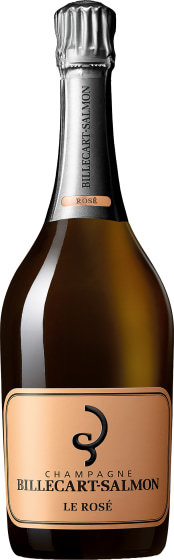
The step up into this range buys you noticeably longer aging on the lees, more complex multi-vintage blending, and, in many cases, access to fruit from Premier Cru and Grand Cru vineyards. Many premium estates source from older vines for their flagship bottlings, and the concentration that mature vines deliver shows up clearly in mid-range rosé Champagne as deeper flavor and finer texture. Billecart-Salmon has built its reputation on a rosé that balances Pinot Noir richness with Chardonnay finesse, a combination that has made it one of the most recognized bottles in the category. At this tier, you start to see wines with enough weight and complexity to carry through a full dinner course, and the range of styles broadens considerably.
Prestige cuvées and vintage-dated rosé Champagnes occupy this tier, and the price reflects a fundamentally different approach to production. Vintage rosés are made from a single harvest year, which means the winemaker cannot smooth out weaknesses by blending across vintages. Only exceptional years make the cut. Krug, a house known for its broodingly rich style, ages its wines for well over a decade in its cellars before release. Bollinger's La Grande Année rosé draws from Grand Cru and Premier Cru sites and ages on lees far longer than appellation requirements demand. Top Champagne houses release only small global allocations of their prestige rosé bottlings, which explains both the scarcity and the pricing. These are wines built for cellaring, and they develop remarkable complexity over five to ten years or more.
Beyond price, the most useful way to navigate rosé Champagne is by production method. The two techniques covered earlier, blending and maceration, produce meaningfully different wines. Your preference between them will likely shape your buying decisions more than any other single factor.
1. Blended Rosé Champagne
The blending method gives winemakers a high degree of control. By adding a measured quantity of still Pinot Noir to the base cuvée, the chef de cave can calibrate color, aroma, and fruit intensity with precision. The result is often a rosé that feels polished and balanced, with red fruit that reads as clean and defined rather than bold. Blended rosés tend to show well as aperitifs and pair naturally with lighter fare. Deutz, a house in the village of Aÿ, produces a brut rosé through the blending method that exemplifies this calibrated, elegant approach.
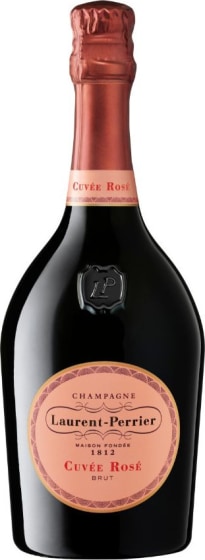
Maceration rosé Champagne earns its character through direct skin contact, and the difference is visible before you even taste the wine. These bottles tend to show deeper copper, salmon, or even light ruby hues compared to the pale pink of most blended rosés. On the palate, expect more body, richer fruit, and a tannic edge that adds grip and structure. Laurent-Perrier's Cuvée Rosé, one of the most recognized saignée-style sparkling wines in production, uses an extended maceration to achieve its signature intensity. Grower-producer Jean Vesselle takes the approach further with a Rosé de Saignée from Grand Cru vineyards in Bouzy, producing a wine with the depth and vinous character to stand alongside roasted meats and heartier dishes.
Rosé Champagne is one of the most versatile food wines you can pour. Its combination of acidity, effervescence, and red-fruit character lets it bridge the gap between dishes that typically call for white wine and those that need a light red. The key is matching the weight of the wine to the weight of the food.
Shellfish and raw seafood: Oysters, shrimp, and sushi pair naturally with lighter, blended-style rosé Champagnes, where the wine's acidity and minerality complement briny, delicate flavors
Poultry: Roast chicken, duck breast, and turkey benefit from a rosé with enough body to match the richness of the meat, making maceration-style bottles a strong choice
Charcuterie and cheese: Prosciutto boards, soft-ripened cheeses like Brie, and aged Comté all find a comfortable partner in rosé Champagne, whose fruit and bubbles cut through fat without overwhelming the plate
Light pastas and risotto: Cream sauces, spring vegetable risotto, and seafood pasta work especially well with mid-range rosé Champagnes that offer both freshness and texture
Multi-course dinners: For a full evening meal, choose a rosé Champagne from the $60–$120 tier or a saignée style that has the structure to carry across multiple courses, from appetizer through a main of roasted poultry or salmon
Fruit desserts: Strawberry tarts, raspberry pavlova, and stone fruit galettes pair well with rosé Champagnes that have slightly lower dosage, where the wine's acidity keeps the sweetness in check
Rosé Champagne Questions, Answered
Is Rosé Champagne the Same as Sparkling Rosé?
No. Rosé Champagne must come from the Champagne appellation in northeastern France and follow the strict méthode champenoise production requirements, including secondary fermentation in the bottle and a minimum aging period on the lees. Sparkling rosé is a broader category that includes pink bubbles from anywhere in the world, made by various methods including tank fermentation. The distinction matters for quality expectations and price: Champagne's regulated production standards set a higher floor for what ends up in the bottle.
What's the Best Rosé Champagne for a Romantic Dinner?
For a romantic dinner, look for a rosé Champagne in the $60–$120 range with enough complexity to carry through multiple courses. Blended brut rosés offer elegance and finesse that suit lighter menus built around seafood or poultry. If the meal leans richer, with duck or lamb, a maceration-style rosé delivers the body and structure to match. Serve it at 43–46°F in a tulip glass, and consider opening the bottle fifteen minutes before pouring to let the aromas develop. The best rosé Champagne for any dinner is the one that complements what you are eating, not the most expensive one on the shelf.
Does Vintage Matter When Buying Rosé Champagne?
Non-vintage rosé Champagne is blended from multiple harvest years to achieve a consistent house style. It is the standard format and accounts for the vast majority of production. Vintage rosé Champagne comes from a single exceptional harvest year and typically spends longer aging in the cellar, developing additional complexity. If you want reliability and a familiar flavor profile, non-vintage is the right call. If you are looking for a bottle that reflects a specific growing season and has the potential to evolve over several years of cellaring, vintage rosé rewards the investment.
How Should I Serve Rosé Champagne?
Serve rosé Champagne between 43°F and 46°F, slightly colder than you might serve a still white wine. A tulip-shaped glass or a wide-bowl flute concentrates the aromas better than a narrow traditional flute, letting you pick up the red fruit and brioche notes. There is no need to decant rosé Champagne. If the bottle has been stored properly, simply open, pour, and enjoy. For the best bubble retention, tilt the glass at a slight angle while pouring.
Can You Age Rosé Champagne?
Non-vintage rosé Champagne is designed for near-term drinking and tastes best within two to three years of purchase. Vintage and prestige rosé Champagnes are a different story: well-stored bottles from top houses can develop beautifully over five to ten years, gaining toasted nut, dried fruit, and honeyed notes as they mature. The key to cellaring any Champagne is consistent cool temperature (around 55°F) and protection from light. If you are buying a prestige cuvée with the intent to age it, store it on its side in a dedicated wine fridge or temperature-controlled space.
Where To Start with Rosé Champagne
The under-$60 tier delivers genuinely enjoyable aperitif pours that need no special occasion to justify opening. Maceration-style rosés from producers like Laurent-Perrier bring enough weight and grip to anchor a full dinner, from appetizers through a main course. And vintage bottlings from houses like Bollinger and Krug reward patience with layers of complexity that develop in the cellar over years.
Try bottles across both production styles and at least two price tiers before settling on a favorite. The difference between a crisp blended rosé and a fuller saignée-style wine is significant enough that most drinkers develop a clear preference once they have tasted both side by side. Wine.com carries rosé Champagne across every tier and style covered in this guide, making it easy to build a comparison tasting without hunting across multiple shops.
Whether you are shopping for a Tuesday night aperitif or a milestone celebration, start with what sounds good to you and explore from there. Browse Rosé Champagne at Wine.com to find the right bottle for your table tonight.