Low-Sugar, Low-Calorie Wine, Explained: Styles, Bottles, and Labels
Low-sugar, low-calorie wine is mostly just dry wine, not a diet product engineered in a lab. Most of the calories in a glass come from alcohol, and dry wines carry very little residual sugar. That covers a wide field: crisp whites, brut sparkling, dry rosé, and lighter reds all count. For calories, carbs and sugar by style, see Wine Nutrition Facts.
The Basics of Low-Sugar, Low-Calorie Wine
A standard 5-oz glass of dry wine runs about 120 calories, and most of that total comes from alcohol, not sugar. That one fact reframes the whole conversation about lighter wine. Alcohol content, not sweetness, is the lever that matters most.
Once you know this, the label starts to make sense. A drier wine with moderate alcohol will almost always be the lighter choice, whatever its color. The rest is knowing which styles fit that description.
Wine calories come from two places: alcohol and residual sugar. Alcohol carries roughly twice the calories per gram that sugar does, so the higher-alcohol wine is almost always the heavier pour. A bold, high-alcohol red packs more energy into a glass than a light, lower-alcohol white.
Serving size quietly changes the math too. A generous restaurant pour can hold far more than 5 ounces, which pushes the calorie count up without changing the wine in the bottle. Measuring your pour is the simplest way to keep a lighter glass genuinely light.
A lighter glass often starts with the grape and the region, not a special label. Cooler climates tend to produce wines with lower alcohol and higher acidity, which is the profile that keeps calories down. Warm-climate wines ripen to higher sugar, and that sugar ferments into higher alcohol and a heavier glass.
One more point trips people up: a wine can taste fruity without being sweet. Ripe fruit flavors often read as sweetness on the palate even when the actual sugar is nearly gone. Trusting the label over that first impression keeps your choices honest.
Sugar plays a smaller role than "skinny wine" branding suggests. Dry wines finish fermentation with nearly all their grape sugar converted, so very little sweetness remains. For the full picture on how these numbers add up, see our wine nutrition facts guide.
Does Dry Wine Mean Low Sugar?
Dry means the yeast converted nearly all the grape sugar during fermentation, leaving fruit flavor without sweetness. Off-dry wines hold on to a little sugar for balance, while dessert wines keep a lot. When you want the clearest low-sugar signal, reach for a bottle labeled dry, the same principle our dry red wine explainer covers in depth.
Low-Sugar Wines by Style
Dry wine spans the full color spectrum, which means a lighter glass is never limited to one style. The naturally low-sugar options include pale whites, sparkling, rosé, and gentle reds, each dry for its own reasons. These five styles cover the ground most worth knowing.
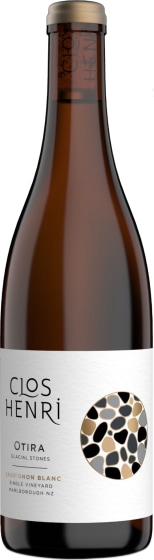
Crisp dry whites are the easiest entry point for a lighter glass. Sauvignon Blanc anchors the category with bracing acidity and a lean body that rarely climbs high in alcohol. That combination keeps the wine refreshing without any need for residual sweetness.
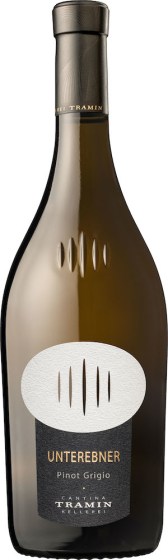
Pinot Grigio, known as Pinot Gris in France and parts of the New World, delivers the same dry, low-sugar profile in a slightly rounder frame. Both grapes ferment fully dry, so the sugar count stays low by nature. High acidity does the work that sugar performs in sweeter wines.
Serve them well chilled, where the cold sharpens their edge. They make an easy aperitif or a partner for lighter plates.
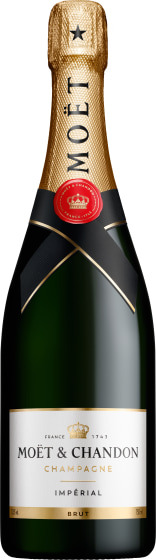
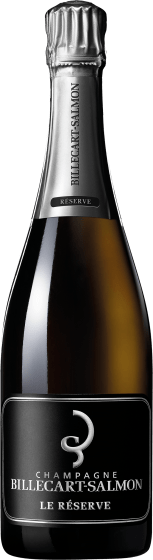
Sparkling wine hides a low-sugar secret in one word on the label. Brut sparkling refers to the dosage, the small amount of sugar added after the second fermentation. Brut bottles carry under about 12 grams of sugar per liter, and Extra Brut goes lower still.
That places most sparkling wine among the driest choices on any shelf, despite its celebratory reputation. The fine bubbles and high acidity deliver all the liveliness, so the wine never needs to taste sweet. For a light, food-friendly pour, dry sparkling is hard to beat.
Dryness here is the default, not the exception. That makes sparkling an easy pick when you want something festive and light.
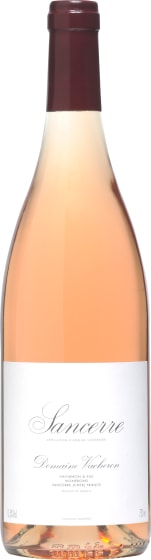
Dry rosé gets unfairly grouped with sweet blush wines, but the two sit at opposite ends of the sugar scale. A true dry rosé ferments to the same low-sugar finish as a crisp white, keeping bright acidity and a light body.
The pink color comes from brief contact with the grape skins, not from added sugar. Most rosé made in the Provence style lands firmly in dry territory, which makes it a reliable low-calorie choice. Chilled and dry, it drinks as clean as any white.
It suits warm-weather drinking as well as year-round meals. Look past the color and judge the wine by its dry, crisp finish.
Cotes de Provence, Provence, South of France, France ● Rosé
Sold Out - was $43.00
4. Lighter-Bodied Reds (Pinot Noir)
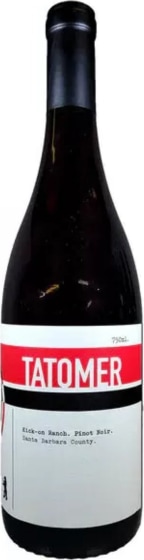
Not every low-sugar wine is white or pink. Pinot Noir leads a group of lighter-bodied reds that ferment fully dry and carry less alcohol than bigger, richer styles.
Lower alcohol means fewer calories per glass, and the dry finish keeps sugar low. The lighter body and fresh acidity make these reds easy to drink year round. They prove that watching calories does not mean giving up red wine.
Serve them with a light chill to keep the fruit fresh. A modest pour delivers real red-wine character at a lighter cost.
5. Low-Alcohol and Crisp "Everyday" Whites (Vinho Verde, Picpoul)
Some whites are built for lightness from the first sip. Vinho Verde from Portugal and Picpoul de Pinet from southern France often sit a few points lower in alcohol than the average white. Vinho Verde in particular lands around 9–11% ABV.
Less alcohol translates directly to fewer calories, and both styles finish bone dry. Their high acidity and light body make them the natural pick when you want the lightest possible pour. Serve them well chilled on a warm afternoon.
Their brisk, low-alcohol style suits casual afternoons and easy meals. When lightness is the goal, few wines do it better.
The label carries most of the clues you need, once you know which words to trust. A few terms reliably point toward a drier, lighter glass, and a couple of them warn you off the sweeter styles. You do not need to memorize anything technical to use them.
ABV percentage: Alcohol by volume works as a calorie proxy, since a lower ABV almost always means a lighter glass
Brut or Extra Brut: These sparkling terms signal very low added sugar and a genuinely dry finish
The word "dry": A dry label means the wine fermented out most of its grape sugar, leaving little behind
Off-dry and dessert cues: Terms like off-dry, late harvest, and dessert flag higher sugar, worth skipping when cutting back
The single most useful habit is checking the alcohol number first. A dry wine on the lower end of the ABV range gives you the leanest pour without any guesswork. Pair that number with a dry or brut cue on the label, and you have your answer before you open the bottle.
What to Eat with Low-Sugar Wine
Lighter wines pair best with lighter food, and the match is intuitive once you start. Fresh, bright dishes echo the acidity that makes these wines feel clean. Keep the plate simple and let the wine stay in its lane.
Crisp dry whites: Pair with raw oysters, grilled fish, or a citrus-dressed salad for a clean, refreshing match
Brut sparkling: Serve alongside salty snacks, fried appetizers, or fresh shellfish, where the bubbles reset the palate
Dry rosé: Reach for grilled vegetables, herbed chicken, or a niçoise salad on a warm evening
Lighter reds: Match with salmon, mushroom dishes, or roast poultry, where soft tannins stay out of the way
Quick Answers on Low-Sugar and Low-Calorie Wine
How Many Calories and How Much Sugar Are in a Glass of Wine?
A 5-oz glass of dry wine holds roughly 120 calories, with most of that coming from alcohol. The residual sugar in a dry wine is minimal, usually a trace left over from fermentation. Sweeter and higher-alcohol wines climb well above that baseline. If you want a lighter pour, a dry wine with moderate alcohol is your safest choice. Measuring the pour keeps the number honest.
Are "Skinny" or Low-Calorie Wines a Gimmick, or Do They Taste Good?
Many wines marketed as skinny or low-calorie are simply dry wines with slightly lower alcohol, dressed up with diet-friendly branding. The good news is that plenty of them taste excellent, because dryness and freshness are qualities winemakers already prize. You do not need a special label to drink well while cutting back. A well-made dry white or a brut sparkling does the same job without the marketing markup. Read the ABV and the sweetness cues, and you can find the same wine for less.
Which Wines Have the Least Sugar?
The driest wines carry the least sugar, and sparkling wines lead the pack. Look for Brut Nature or Extra Brut, which add little to no sugar after fermentation. Fully dry still whites, dry rosé, and lighter reds follow close behind. Any bottle labeled dry will keep sugar low. Sweet and off-dry styles sit at the other end of the scale.
Is Low-Sugar Wine Keto or Low-Carb Friendly?
Dry wines fit reasonably well into low-carb and keto eating, since they carry very little residual sugar. Most dry wines contain only a few carbs per glass, nearly all of it from that leftover sugar. Alcohol has calories but no carbs, so it does not spike blood sugar the way carbohydrates do. Sweet, off-dry, and dessert wines are the ones to avoid on a low-carb plan. Stick with dry styles and you stay comfortably on track.
Your Next Bottle
You now have a simple cheat sheet for a lighter glass. Pour a crisp dry white on a weeknight, and open a bottle of Brut when there is something to celebrate. A lighter Pinot Noir works nicely alongside dinner, keeping sugar low without giving up flavor.
Wine.com carries the world's largest wine selection, with thousands of dry, lower-alcohol bottles across every style covered here. Whether you lean toward whites, sparkling, rosé, or reds, there is a lighter option waiting for you. Finding one takes only a few clicks.