


Winemaker Notes
Pale yellow colour. The nose is still discreet, typical of the Windsbuhl restraint style in its youth. It expresses delicate citrus/fresh herbs aromas and a lees ageing influence with toasty, nutty, stony flavours. The palate is crisp, elegant and finishes with a sharp ripe acidity. The mineral dry limestone Windsbuhl backbone is showing in this wine. The Zind 2022 also shows a youthful texture, it needs more time to fully open up. It is a dry wine with a certain softness, very easy to enjoy.
Blend: 70% Chardonnay, 30% Auxerrois
Professional Ratings
-
James Suckling
Complex nose of Amalfi lemon and flint with leesy complexity. Excellent structure on the medium-bodied palate. Very straight with excellent candied citrus complexity and just a hint of oak. A cuvee of two thirds chardonnay and one third auxerrois. From biodynamically grown grapes. Drink or hold.
-
Robert Parker's Wine Advocate
From 33-year-old vines planted in the coolest part of the Clos Windsbuhl, which is located adjacent to the forest, the 2022 Chardonnay-Auxerrois Zind offers a deep, clear, fresh and elegantly aromatic nose of ripe and well-concentrated fruits, Muschelkalk limestone, herbs, salts and lemon juice. On the palate, this is a mouth-filling, refined and stimulating mineral white with a dense and even rich texture and a long, intense and complex structured finish with fine tannins and stimulating salinity. The wine is as rich and powerful as it is stimulatingly juicy and elegant, provided with fine tannins that are perfectly wrapped by the concentrated and generous fruit texture. This is a great Windsbuhl, yet since it's also Chardonnay without bubbles, it has to be marketed as Vin de France. The 2022 will improve greatly with time, although it's already irresistible. 12.5% stated alcohol. Natural cork.

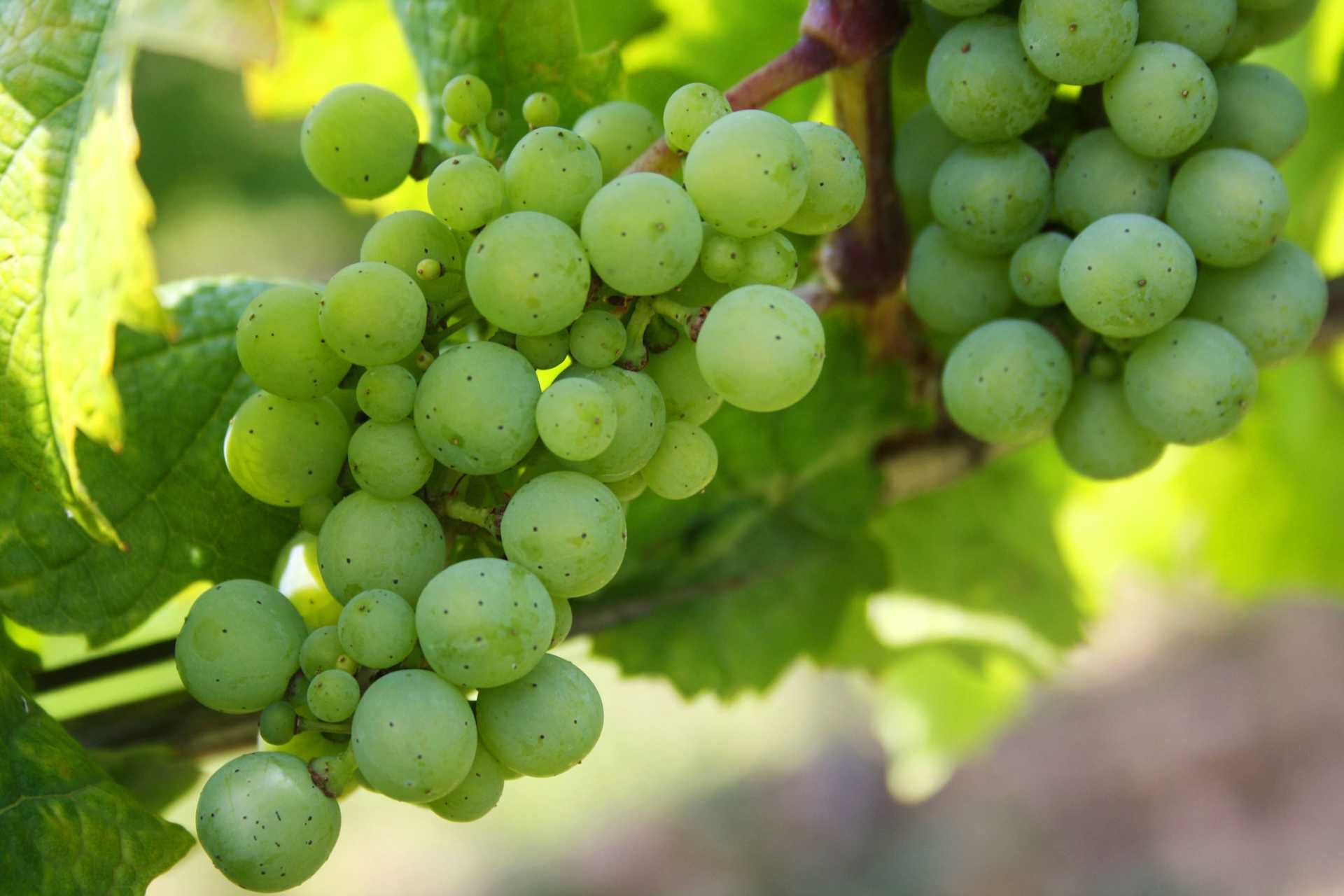
With hundreds of white grape varieties to choose from, winemakers have the freedom to create a virtually endless assortment of blended white wines. In many European regions, strict laws are in place determining the set of varieties that may be used in white wine blends, but in the New World, experimentation is permitted and encouraged. Blending can be utilized to enhance balance or create complexity, lending different layers of flavors and aromas. For example, a variety that creates a soft and full-bodied white wine blend, like Chardonnay, would do well combined with one that is more fragrant and naturally high in acidity. Sometimes small amounts of a particular variety are added to boost color or aromatics. Blending can take place before or after fermentation, with the latter, more popular option giving more control to the winemaker over the final qualities of the wine.

A small category representing the wines that either fall outside of appellation lines or don’t subscribe to the law and traditions set forth by the French government within certain classified appellations, “Vin De France” is a catch-all that includes some of the most basic French wines as well as those of superior quality. The category includes large production, value-driven wines. It also includes some that were made with a great deal of creativity, diligence and talent by those who desire to make wine outside of governmental restrictions. These used to be called Vin de Table (table wine) but were renamed to compete with other European countries' wines of similar quality.