

Winemaker Notes
In 1996 we were given the perfect weather for growing Syrah. Our property's well-drained light sandy marine soils at 1600 feet are ideal for the vigorous Syrah vines. The persistent warm days and cool nights allow us to have great balance in the fruit, even-ripening within clusters, and the all important gradual maturation. With leaf pulling we maximize the amount of sun on the clusters and challenge the acceptable stress on the vines.
The 1996 Zaca Vineyards Syrah was fermented for an average of 14 days on the skins, just enough time for the big flavors and modest tannins to develop. This perfect balance allowed us to bottle this wine with minimal handling -100% unfined and unfiltered! The addition of 20% Viognier, which is the maximum allowed in Cote-Rotie, makes a huge vintage Syrah approachable from the get-go. The color of the Syrah is so dark, much like black ink, that the hefty Viognier addition is hardly noticeable. What you do notice is the layers and layers of plumy black fruits intermixed with exotic notes of ripe black cherries, Asian spices, white pepper, peaches, apricots, and cassis. Behind this incredible bouquet is a mouthful of unparalleled juicy fruit enclosed by the huge structure of a wine built for aging. The tannin waits in the background to dispel any disbeliever's thoughts of a wimpy wine. Wow! This wine is enormous!
How did we compact all this aroma, flavor, and textured structure into one bottle of wine? Zaca Mesa has some of the oldest Syrah vines in Santa Barbara County, first planted 25 years ago. These old gnarled vines produce beautifully clustered crops that have an intense jammy core young vines aren't capable of. You should be able to enjoy this wine over the next 20 years. Watch how beautifully our Syrahs age, developing sagebrush and eucalyptus aromas with pure silk and richness on the palate. Drink the 1996 Zaca Mesa Vineyard Syrah with rack of lamb, filet mignon, or any of your favorite grilled meats.


Marked by an unmistakable deep purple hue and savory aromatics, Syrah makes an intense, powerful and often age-worthy red. Native to the Northern Rhône, Syrah achieves its maximum potential in the steep village of Hermitage and plays an important component in the Red Rhône Blends of the south, adding color and structure to Grenache and Mourvèdre. Syrah is the most widely planted grape of Australia and is important in California and Washington. Sommelier Secret—Such a synergy these three create together, the Grenache, Syrah, Mourvedre trio often takes on the shorthand term, “GSM.”
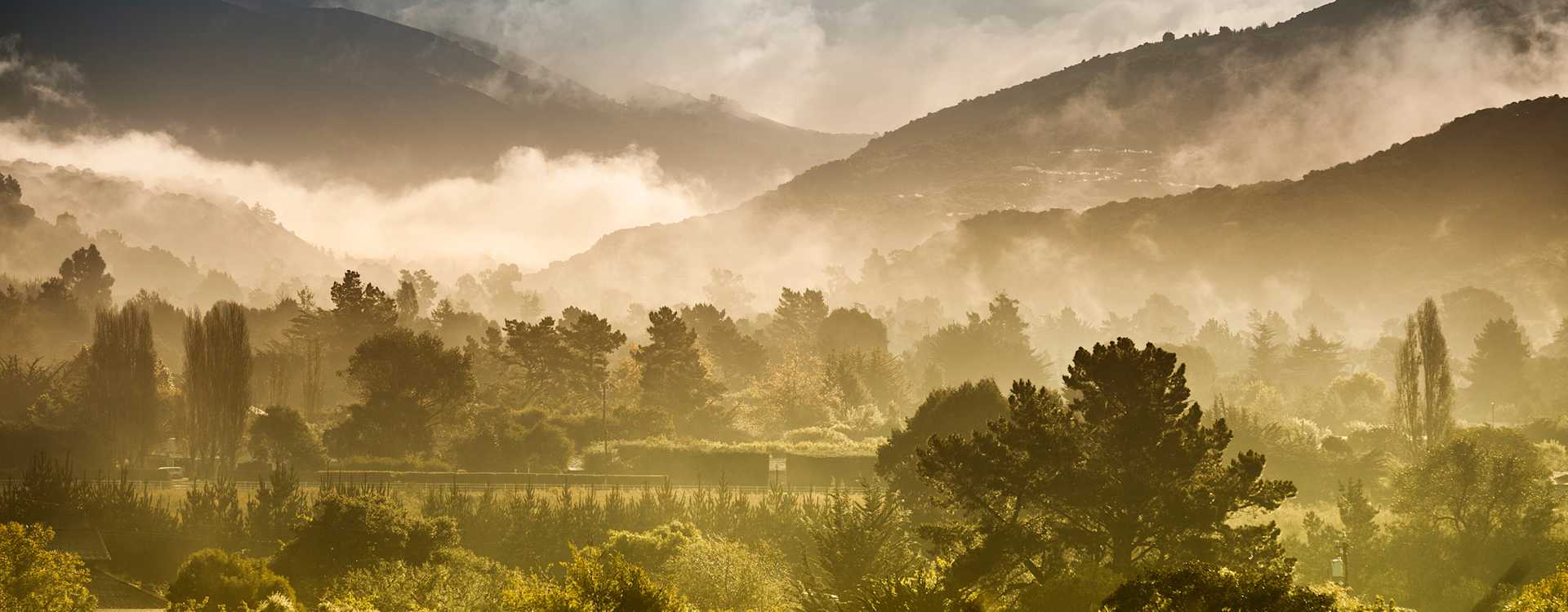
The largest and perhaps most varied of California’s wine-growing regions, the Central Coast produces a good majority of the state's wine. This vast California wine district stretches from San Francisco all the way to Santa Barbara along the coast, and reaches inland nearly all the way to the Central Valley.
Encompassing an extremely diverse array of climates, soil types and wine styles, it contains many smaller sub-AVAs, including San Francisco Bay, Monterey, the Santa Cruz Mountains, Paso Robles, Edna Valley, Santa Ynez Valley and Santa Maria Valley.
While the Central Coast California wine region could probably support almost any major grape varietiy, it is famous for a few Central Coast reds and whites. Pinot Noir, Chardonnay, Cabernet Sauvignon and Zinfandel are among the major ones. The Central Coast is home to many of the state's small, artisanal wineries crafting unique, high-quality wines, as well as larger producers also making exceptional wines.