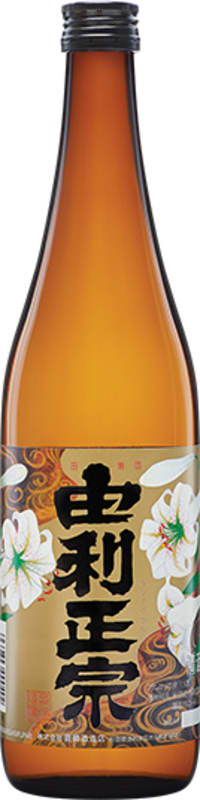


Winemaker Notes
Mellow and rustic, with a soft nutty finish.
Best at room temperature or mildly heated. Pair with grilled meats, and salty, briny flavors.


Accounting for nearly 75% of all saké produced in Japan, Futsushu, or “table saké” does not have the same milling or ingredient requirements as other types of saké. It can include a higher amount of distilled alcohol, as well as sweeteners and other added ingredients. This style, often served warm, has simple aromas and flavors, and compared to other categories, has a longer shelf life. It's perfect as an apéritif and with appetizers such as Agedashi tofu, Yakitori or tempura dishes.

The introduction of the waterwheel in the 17th century, which eliminated the need for the manual polishing of rice grains, allowed Japan to begin producing saké at an industrial level for its greater population. Today Japan remains at the cutting edge of technology in its brewing practices. However, the traditional methods of handcrafted, artisanal saké remain alive in smaller and often family-owned breweries. Many of these showcase local ingredients and focus on microclimates to make what is known as ‘jizake,’ or regional saké.