

Winemaker Notes






Yealands is inspired by the coast that surrounds the vines, so close to the ocean that the vines are often misted with sea spray. The beauty of this environment influences how Yealands crafts wine, respectful of nature and the land. Yealands’ Seaview Vineyard in the Awatere Valley is one of New Zealand’s most coastal vineyards. Every breath-taking view defines the wines, from the rolling hills and mineral-rich soils, to the wild coastal winds. Yealands’ grapes survive by growing small with thickened skins and wonderfully intense, concentrated characteristics, creating beautiful wines that reflect their distinctive terroir. Yealands believes in sustainable winemaking and creating thoughtfully crafted wines that work in harmony with their landscape. Established in 2008 with the vision to create the world’s most environmentally-friendly wines, Yealands is the first winery in the world to be certified as CarboNZero™ since inception. Yealands’ sustainability efforts are unparalleled, including the installation of New Zealand’s largest solar panel on their winery roof, the burning of vine clippings for energy, vineyard pest control via wildflowers, and the employment of Babydoll sheep as “lawnmowers” to keep vine rows tidy.
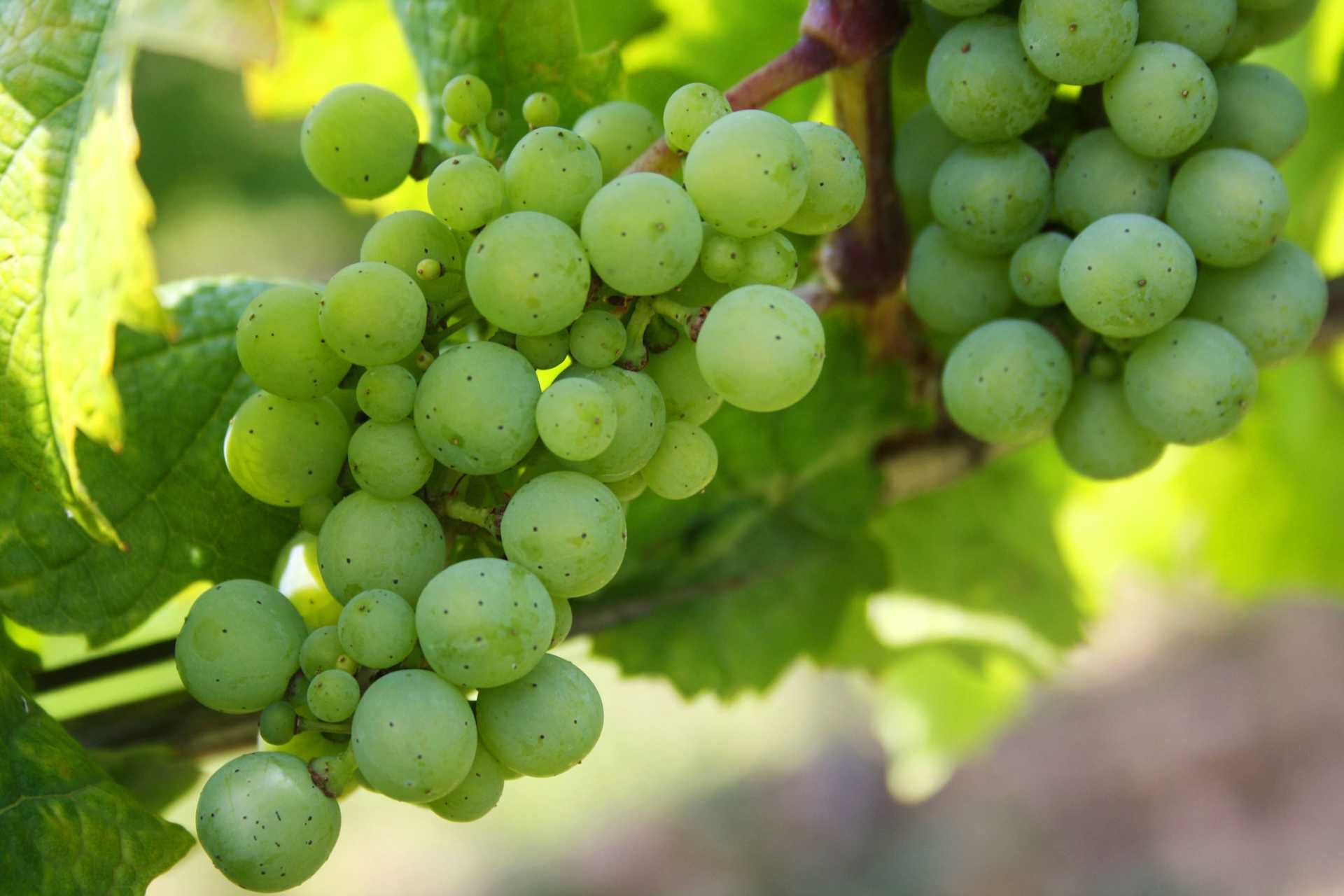
With hundreds of white grape varieties to choose from, winemakers have the freedom to create a virtually endless assortment of blended white wines. In many European regions, strict laws are in place determining the set of varieties that may be used in white wine blends, but in the New World, experimentation is permitted and encouraged. Blending can be utilized to enhance balance or create complexity, lending different layers of flavors and aromas. For example, a variety that creates a soft and full-bodied white wine blend, like Chardonnay, would do well combined with one that is more fragrant and naturally high in acidity. Sometimes small amounts of a particular variety are added to boost color or aromatics. Blending can take place before or after fermentation, with the latter, more popular option giving more control to the winemaker over the final qualities of the wine.

An icon and leading region of New Zealand's distinctive style of Sauvignon blanc, Marlborough has a unique terroir, making it ideal for high quality grape production (of many varieties). Despite some common generalizations, which could be fairly justified given that Marlborough is responsible for 90% of New Zealand's Sauvignon blanc production, the wines from this region are actually anything but homogenous. At the northern tip of New Zealand’s South Island, the vineyards of Marlborough benefit from well-draining, stony soils, a dry, sunny climate and wide temperature fluctuations between day and night, a phenomenon that supports a perfect balance between berry ripeness and acidity.
The region’s king variety, Sauvignon blanc, is beloved for its pungent, aromatic character with notes of exotic tropical fruit, freshly cut grass and green bell pepper along with a refreshing streak of stony minerality. These wines are made in a wide range of styles, and winemakers take advantage of various clones, vineyard sites, fermentation styles, lees-stirring and aging regimens to differentiate their bottlings, one from one another.
Also produced successfully here are fruit-forward Pinot noirs (especially where soils are clay-rich), elegant Riesling, Pinot gris and Gewürztraminer.