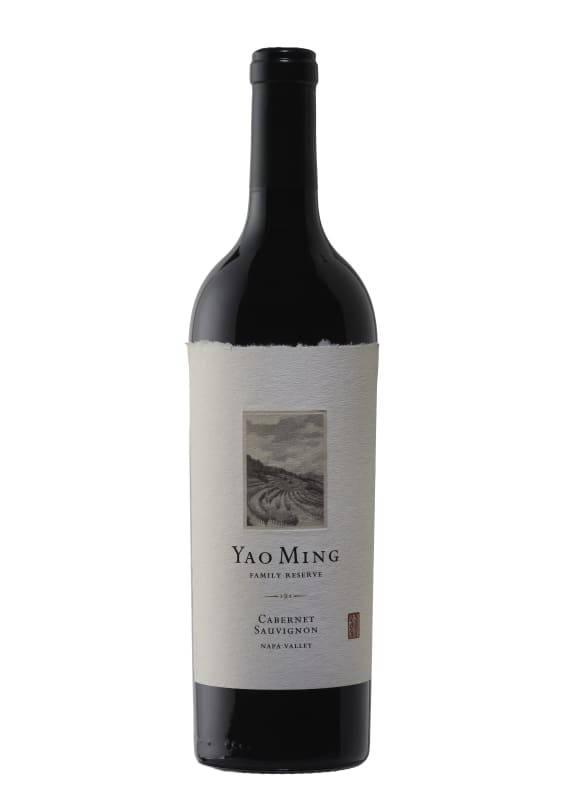


Winemaker Notes
Appearance exhibits deep, dark, purple color with intense hues. This wine is elegant and balanced, yet powerful. There is focused fruit with pronounced plum and blackberry. The fruit is framed with barrel notes of toast and baking spice. The pallet has a jammy yet supple, lush richness from integrated tannin structure. The wine comes together with a long finish and lingers on the back of the pallet. This wine is approachable now and will age for many years. The 2014 growing season was a nearly perfect year in Napa Valley due to exquisitely-timed fruit set (the time of year when the fertilized flowers morph into small grape bunches). They had good balance on the fruiting wire. This is a year that makes the winemaker focus on intense purity and bring out the essence of the vintage.
Blend: 95% Cabernet Sauvignon, 3% Merlot and 2% Petit Verdot.
Professional Ratings
-
James Suckling
A solid and tight cabernet with blueberry, chocolate and light almond character. Medium to full body, dense center palate and a flavorful finish. Needs time to open. Better in 2020.
-
Robert Parker's Wine Advocate
The flagship wine is the 2014 Cabernet Sauvignon Yao Ming Family Reserve, which is 95.57% Cabernet Sauvignon and the rest Merlot and Petit Verdot. It has an opaque ruby/purple color, a stunning nose of graphite, blueberry and blackberry fruit, and a long, rich, full-bodied mouthfeel with impressive purity, texture and length. There are a lot of celebrity wines in the world today, but this is certainly a top-notch, impressive effort and can be approached now, because it’s a 2014. It is soft, but promises to age gracefully for another 15-20 or more years, possibly longer.
Rating: 94+


One of the most prestigious wines of the world capable of great power and grace, Napa Valley Cabernet is a leading force in the world of fine, famous, collectible red wine. Today the Napa Valley and Cabernet Sauvignon are so intrinsically linked that it is difficult to discuss one without the other. But it wasn’t until the 1970s that this marriage came to light; sudden international recognition rained upon Napa with the victory of the Stag’s Leap Wine Cellars 1973 Cabernet Sauvignon in the 1976 Judgement of Paris.
Cabernet Sauvignon undoubtedly dominates Napa Valley today, covering half of the land under vine, commanding the highest prices per ton and earning the most critical acclaim. Cabernet Sauvignon’s structure, acidity, capacity to thrive in multiple environs and ability to express nuances of vintage make it perfect for Napa Valley where incredible soil and geographical diversity are found and the climate is perfect for grape growing. Within the Napa Valley lie many smaller sub-AVAs that express specific characteristics based on situation, slope and soil—as a perfect example, Rutherford’s famous dust or Stags Leap District's tart cherry flavors.