


Winemaker Notes
Handpicked from old, gnarly bush vines planted in 1889 in two acres of deep sandy loam soil over red-brown clay in the heart of the Barossa Valley. Year after year these ancestor vines give small quantities of exceptional grapes.
Striking floral aromas, complex and intriguing. Wild cherries, raspberries and pomegranates are entwined with orange zest, pepper, spices, and hints of cedar. The hallmark of this wine is 250-day post-ferment maceration which imparts incredibly silky texture and refinement to the palate, creating a textural wine with depth, structure, vibrant acidity, and defined tannins. Stunning now, it will gradually evolve over the medium term.
Vegan-Friendly
Professional Ratings
-
James Suckling
This has a savory and floral nose with stone, dried roses and dried cherries, as well as raspberries and dried herbs. The palate has a smooth-honed, layered and savory feel with concentrated red-berry flavors, some red plums and a smooth, sustained finish. 116 days on skins. Drink now.
-
Wine & Spirits
The 820 dry-grown grenache vines in this parcel date to 1889. In 2017, their fruit is pure Barossa in the reserve of sandy tannins and the red-cherry glow of the flavor. The wine’s structure provides a sounding board for the fruit, reverberating through the finish of peach pit, rose and herb-scented air. It’s fascinating to drink a pretty wine from such venerable vines.
-
Robert Parker's Wine Advocate
The 2017 The Tri-Centenary Grenache hails from a cool, wet vintage, like the 2011 tasted before it. In both, the sense of exotic spice and incense is heightened; however, here the wine has notes of leather and autumn leaves as well. It is altogether savory and brown in flavor spectrum, and the color is bright. It spent 116 days on the skins and four months in French oak.
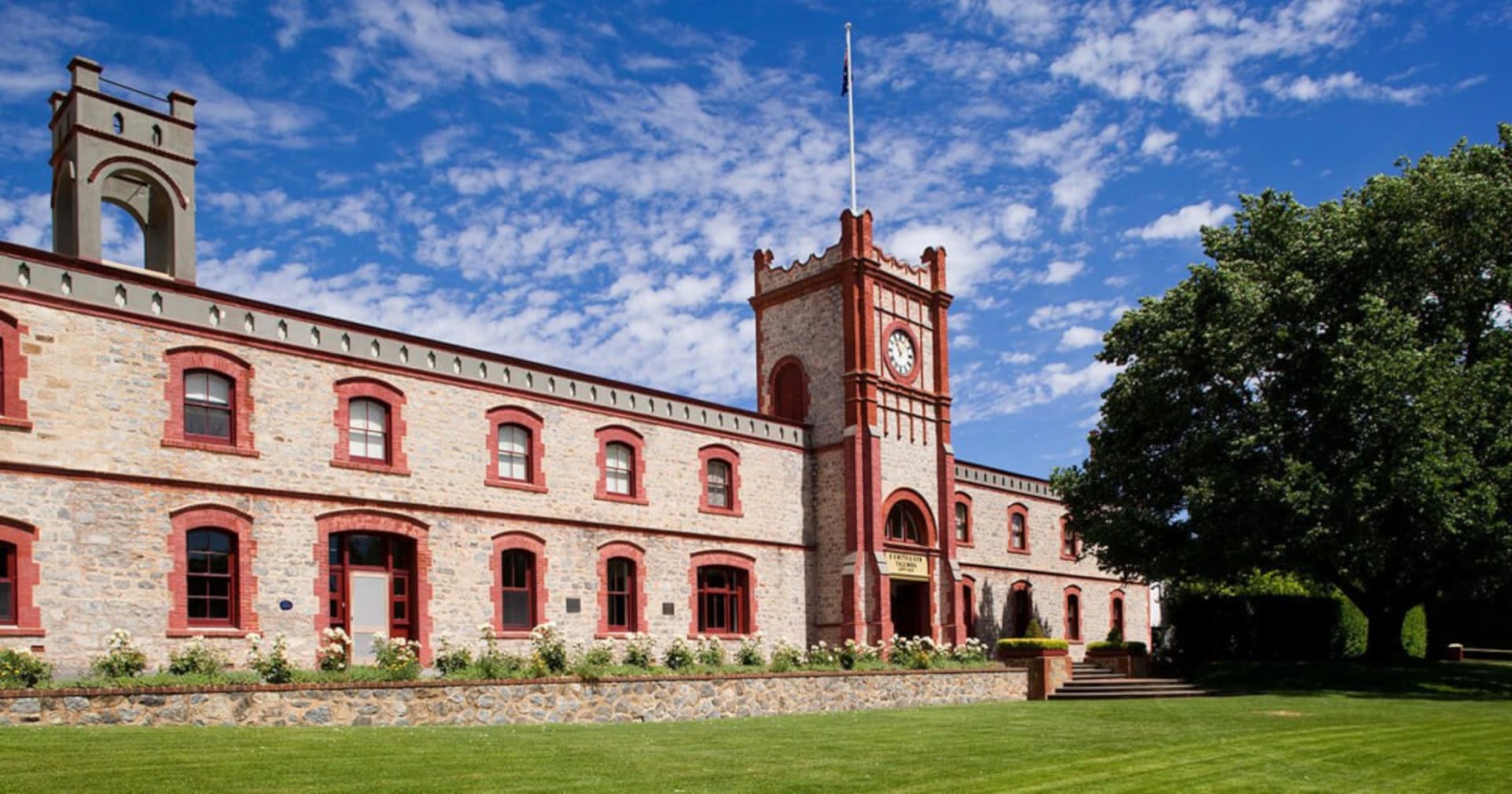




Established in 1849, Yalumba is Australia’s most historic family-owned wine company showcasing the best of the Barossa and South Australian wine regions. Fiercely independent and extremely progressive through the generational ownership by the Hill-Smith family, their longevity and success are a result of patience, collaboration, and forward-thinking. Yalumba is a leader in the industry with the foresight to embrace the natural terroir to craft wines with individual character and a sense of purpose, as well as a spirit to reinvest in the land upon which it operates. Yalumba is committed to sharing stories of provenance gathered over 175 years of history of family winemaking.
Arguably the single most famous wine region in Australia, the Barossa includes both Barossa Valley and Eden Valley, making it one of the only areas in Australia to have neighboring warm and cool climate growing conditions. Yalumba is privileged to have access to some of the oldest vineyards in the world in Barossa Valley, including 1889 bush vine Grenache and 1908 Shiraz. They are committed to growing premium quality fruit reflecting distinctive varietal characters of the region.
Yalumba also operates the Southern Hemisphere's only fully operational Cooperage, crafting bespoke oak barrels that elevate the wines aged within them. While the beginnings of the Yalumba Cooperage remain a mystery lost in time, coopering has been a proud tradition at the winery for more than a century. Their coopers have been performing and perfecting their craft since around 1890. In the Nursery, Yalumba is a global leader in wine innovation, growing, evaluating, and supplying quality grape vines to the Australian wine industry. Yalumba has developed strong relationships with leading grapevine programs from around the world and have exclusive access to certain new varietals in Australia. This gives the Yalumba viticulturists and winemakers the unique opportunity to evaluate and develop new or emerging varieties before they are sold.
Yalumba continually strives to reduce their impact on the environment, stay involved in the community, and make great wine with minimal intervention in the vineyard and in the winery. They are committed to sustainable practices, with the belief that the healthier and more biodiverse the vineyards are, the better the wines will be. Yalumba has been developing its own sustainable viticulture program since the mid-1990s, promoting the economic production of quality grapes. For every acre of vineyard Yalumba own, they have at least one acre of native vegetation. All Yalumba wines are crafted with wild yeast, are 100% vegan, and are made with the least intervention possible but with as much knowledge, confidence, and expertise as possible.

Grenache thrives in any warm, Mediterranean climate where ample sunlight allows its clusters to achieve full phenolic ripeness. While Grenache's birthplace is Spain (there called Garnacha), today it is more recognized as the key player in the red blends of the Southern Rhône, namely Châteauneuf-du-Pape, Côtes du Rhône and its villages. Somm Secret—The Italian island of Sardinia produces bold, rustic, single varietal Grenache (there called Cannonau). California, Washington and Australia have achieved found success with Grenache, both flying solo and in blends.

Historically and presently the most important wine-producing region of Australia, the Barossa Valley is set in the Barossa zone of South Australia, where more than half of the country’s wine is made. Because the climate is very hot and dry, vineyard managers work diligently to ensure grapes reach the perfect levels of phenolic ripeness.
The intense heat is ideal for plush, bold reds, particularly Shiraz on its own or Rhône Blends. Often Shiraz and Cabernet partner up for plump and powerful reds.
While much less prevalent, light-skinned varieties such as Riesling, Viognier or Semillon produce vibrant Barossa Valley whites.
Most of Australia’s largest wine producers are based here and Shiraz plantings date back as far as the 1850s or before. Many of them are dry farmed and bush trained, still offering less than one ton per acre of inky, intense, purple juice.