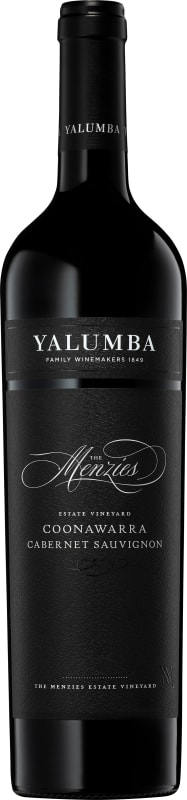


Winemaker Notes
Dark cherry red with a crimson hue. Elegant and inviting aromas of cedar and chocolate combine beautifully with rich, ripe cassis and violets. Sublime tannins give the drinker an insight into the agebility of this wine. Excellent drinking now and it will continue to evolve and delight.
Decant and enjoy with char-grilled rib eye on the bone or porcini risotto.
Vegan and Vegetarian Friendly
Professional Ratings
-
Decanter
D block of the Yalumba-owned Menzies vineyard, planted in 1975, is the exclusive source of The Caley, whose seaweed hints it shares. Deep crimson with redcurrant and cherry, as well as fresh blackcurrant, the restrained palate contrasts with The Cigar, also from this vineyard. Bitter chocolate and cedar oak (30% new) lend classical nuance. With fine grained tannins, the fruit cleaves closely to the palate, leading to a deliciously poised, cedar-scented finish.
-
Vinous
The 2015 Cabernet Sauvignon The Menzies is in a good place with blackcurrant and cedar aromas interwoven with sandy/gravel complexity. It is poised and medium-bodied, holding a sustained shape with firm tannins over a lengthy, seamless finish.
-
James Suckling
This has attractive, earthy aromas with violets, purple olives and blueberries. Some spiced pastry, leaves and herbs. The palate has impressive, fleshy texture with tannins that are softening, and there’s impressive drive of red-plum flavor. Complex yet pure fruit, delivered long and fresh. Drink or hold.
-
Robert Parker's Wine Advocate
The 2015 The Menzies Cabernet Sauvignon leads with aromas of cigar box and dark chocolate, sun-dried kelp, tapenade and biltong. On the palate, the tannins feel pulverized and ultra fine—at one with the flavors. The vintage started with a warm spring in late 2014, which kept berry sizes down, and the ripening period through the 2015 season was even and good, producing wines of velvety freshness and length. 13.5% alcohol.
-
Wine Spectator
Supple and elegant, showing hazelnut, black walnut and dark chocolate details to juicy kirsch, framboise and blueberry flavors at the core. Tobacco, toasted cumin and sandalwood notes linger effortlessly among supple tannins. Drink now through 2030.
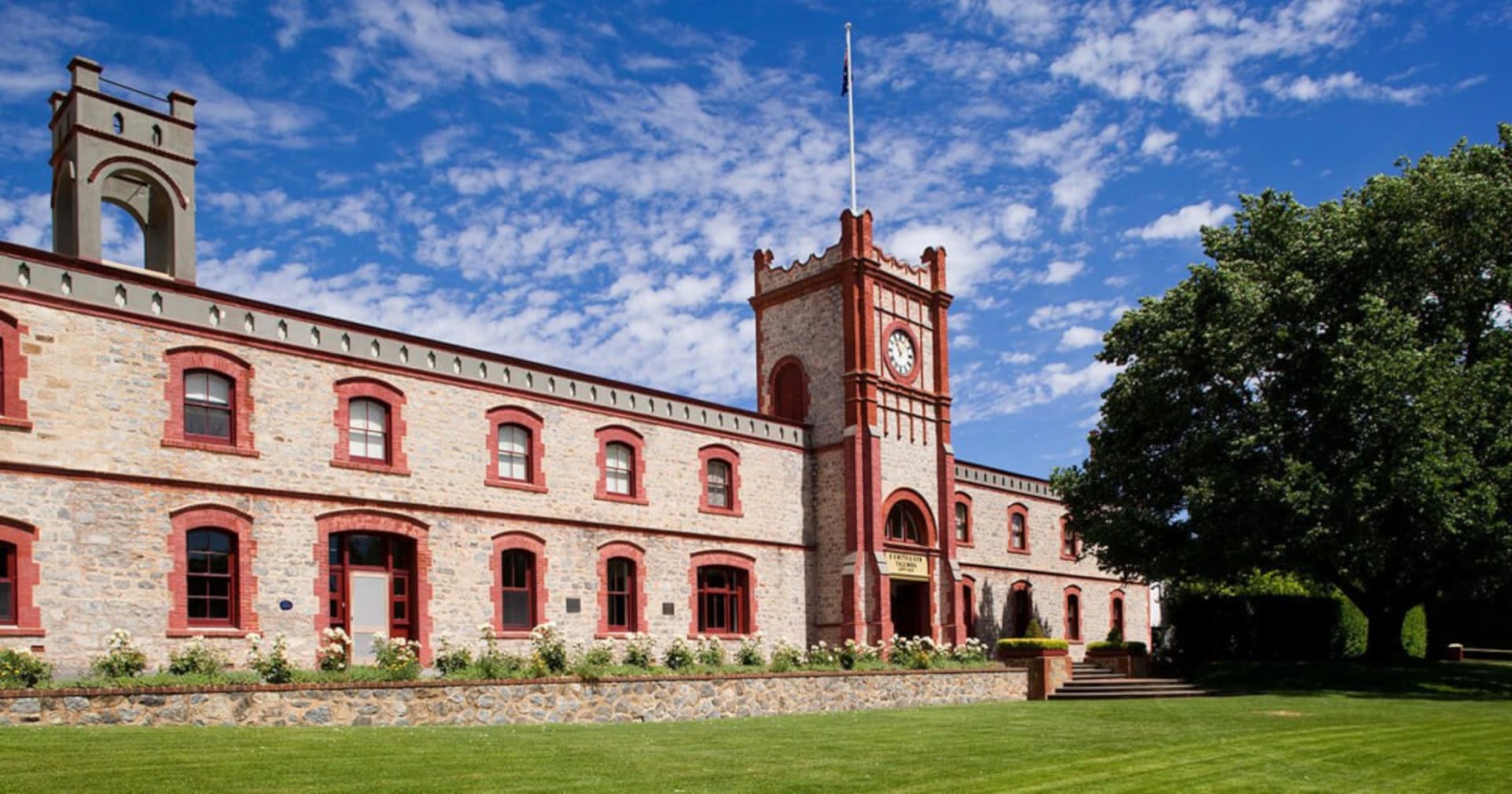




Established in 1849, Yalumba is Australia’s most historic family-owned wine company showcasing the best of the Barossa and South Australian wine regions. Fiercely independent and extremely progressive through the generational ownership by the Hill-Smith family, their longevity and success are a result of patience, collaboration, and forward-thinking. Yalumba is a leader in the industry with the foresight to embrace the natural terroir to craft wines with individual character and a sense of purpose, as well as a spirit to reinvest in the land upon which it operates. Yalumba is committed to sharing stories of provenance gathered over 175 years of history of family winemaking.
Arguably the single most famous wine region in Australia, the Barossa includes both Barossa Valley and Eden Valley, making it one of the only areas in Australia to have neighboring warm and cool climate growing conditions. Yalumba is privileged to have access to some of the oldest vineyards in the world in Barossa Valley, including 1889 bush vine Grenache and 1908 Shiraz. They are committed to growing premium quality fruit reflecting distinctive varietal characters of the region.
Yalumba also operates the Southern Hemisphere's only fully operational Cooperage, crafting bespoke oak barrels that elevate the wines aged within them. While the beginnings of the Yalumba Cooperage remain a mystery lost in time, coopering has been a proud tradition at the winery for more than a century. Their coopers have been performing and perfecting their craft since around 1890. In the Nursery, Yalumba is a global leader in wine innovation, growing, evaluating, and supplying quality grape vines to the Australian wine industry. Yalumba has developed strong relationships with leading grapevine programs from around the world and have exclusive access to certain new varietals in Australia. This gives the Yalumba viticulturists and winemakers the unique opportunity to evaluate and develop new or emerging varieties before they are sold.
Yalumba continually strives to reduce their impact on the environment, stay involved in the community, and make great wine with minimal intervention in the vineyard and in the winery. They are committed to sustainable practices, with the belief that the healthier and more biodiverse the vineyards are, the better the wines will be. Yalumba has been developing its own sustainable viticulture program since the mid-1990s, promoting the economic production of quality grapes. For every acre of vineyard Yalumba own, they have at least one acre of native vegetation. All Yalumba wines are crafted with wild yeast, are 100% vegan, and are made with the least intervention possible but with as much knowledge, confidence, and expertise as possible.

A noble variety bestowed with both power and concentration, Cabernet Sauvignon enjoys success all over the globe, its best examples showing potential to age beautifully for decades. Cabernet Sauvignon flourishes in Bordeaux's Medoc where it is often blended with Merlot and smaller amounts of some combination of Cabernet Franc, Malbecand Petit Verdot. In the Napa Valley, ‘Cab’ is responsible for some of the world’s most prestigious, age-worthy and sought-after “cult” wines. Somm Secret—DNA profiling in 1997 revealed that Cabernet Sauvignon was born from a spontaneous crossing of Cabernet Franc and Sauvignon Blanc in 17th century southwest France.

Distinguished by a thin, subterranean band of crumbled, red clay loam, Coonawarra is a fairly flat, otherwise unobtrusive region with a cool Mediterranean climate, actually not dissimilar to Bordeaux.
In Coonawarra, this unique layer of red clay is called, "terra rossa" and gets its color from iron oxide. The terra rossa soil overlies soft, penetrable limestone, in a continuous area that is part of the Limestone Coast zone of South Australia. This uncommon layering of soils creates a substrate that is both well draining and at the same time, offers good water retention to support vine roots through dry summers.
Not surprisingly, Coonawara experiences great success with the Bordeaux varieties, namely Cabernet Sauvignon and Merlot, but also Shiraz. However Cabernet reigns superior and accounts for half of the Coonawarra harvest each year. Coonawarra Cabernet Sauvignon develops powerful, yet polished tannins, ripe, red berry fruit and often sweet herb or dried mint qualities. The region has an increased focus on the individual expressions of single vineyards.