


Winemaker Notes
The Caley is the pinnacle of a long winemaking journey of excellence, that rightfully honors Yalumba's most adventurous son, Fred Caley Smith. A blend of Coonawarra Cabernet Sauvignon and Barossa Shiraz, The Caley is a classic marriage of two noble varieties and two great Australian wine regions.
Showcasing expressive, fragrant aromatics of blackcurrant and dark cherry with cool iodine notes merging into savory, leafy hints, all typical Coonawarra Cabernet Sauvignon. A defined, composed and very inviting wine with succulent Shiraz throughout. Medium to full depth with a densely layered structure delivering a prominent yet silky tannin profile.
Blend: 80% Cabernet Sauvignon, 20% Shiraz
Vegan-Friendly
Professional Ratings
-
Robert Parker's Wine Advocate
The fruit for the 2018 The Caley Cabernet & Shiraz comes from Coonawarra and Barossa. The Cabernet Sauvignon (80% of the blend) is sourced from four blocks within the same estate-owned Coonawarra vineyard, and within that are two clones. The Shiraz (20% of the blend) is a combination of Eden Valley (15%) and Barossa fruit (5%). All handpicked and destemmed, the fruit parcels are kept separate in the winery and fermented wild in a selection of fermenters. It spent 10 days on the skins, then was pressed off to Yalumba-coopered barrels (in the main) and matured in a total of 38% new oak. It offers dusted blood plums, dark raspberry, cocoa nibs and licorice on the nose. It is composed and restrained, with a hint of toasted oak shining through the abundant fruit. In the mouth, the fruit is abundant and purple, shaped by a casket of firm tannins that assist in the flow of wine over the tongue.
-
Wine & Spirits
That’s luxurious wine. And, ironically, it’s textural integration is expressed in the gentle rusticity of an old-fashioned South Australian wine, as if made for local collectors, without international intentions of fuss and polish. “It tastes like the blush on the skins of purple grapes,” said Berkshire chef Amy Loveless, while sommelier Michael Kowalski found the flavors of “all different kinds of cherries, from dried to Bing to black-cherry skin.” Grown in black, clay-rich soils, The Caley in 2018 feels saturated and complete, an herbal, aromatic red with a high level of deliciousness. Still youthful, cranberry-bright and brisk, this is structured to age for decades.
-
Wine Spectator
Impressive and expansive, plush and rich, oozing with huckleberry and bittersweet chocolate–covered dried blueberry flavors, with touches of espresso on an appealing fleshy frame. Shows notes of palo santo, rosemary, white pepper and bay leaf that add aromatic complexity, with an epic, generous finish. Cabernet Sauvignon and Shiraz.
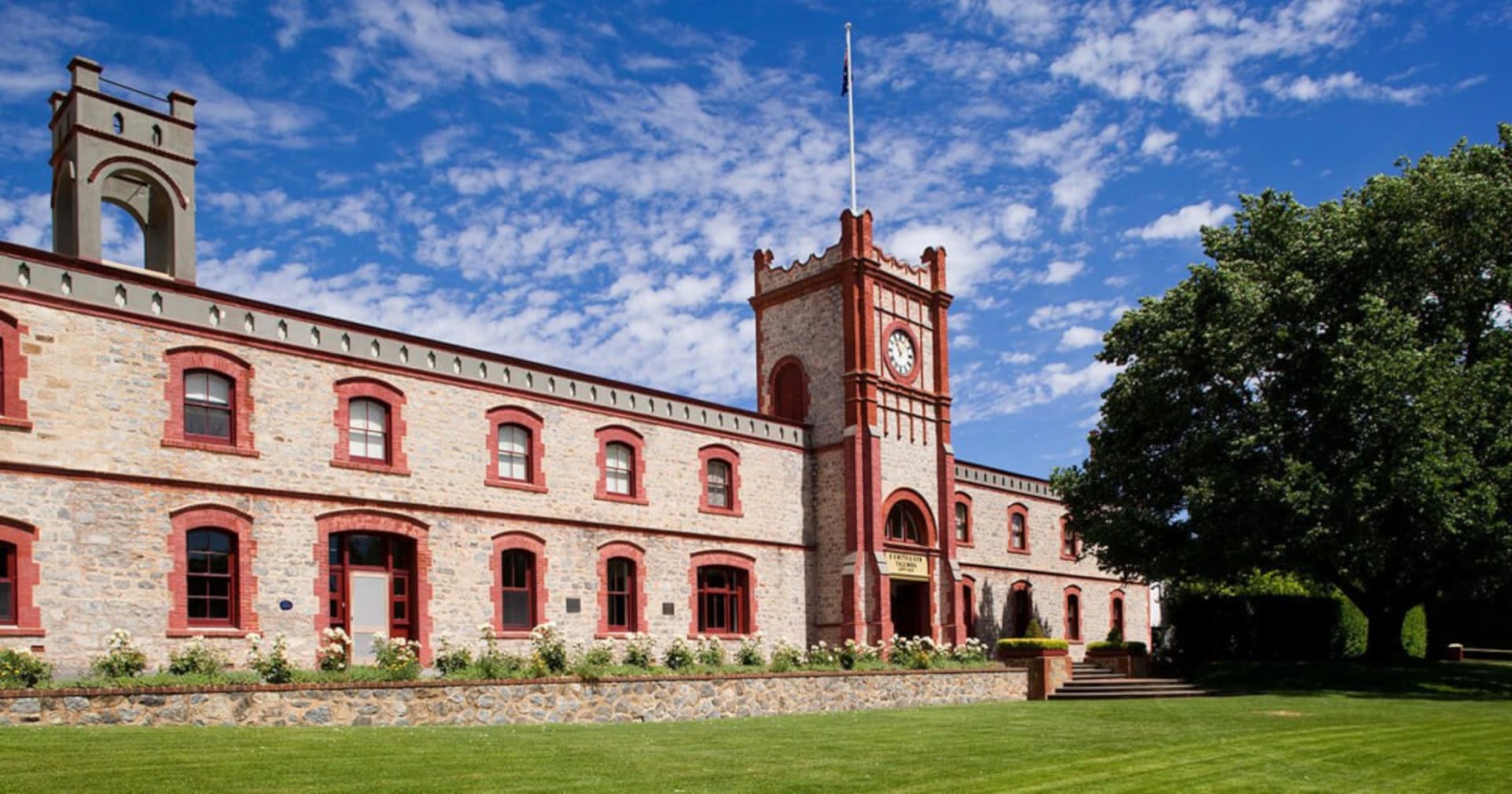




Established in 1849, Yalumba is Australia’s most historic family-owned wine company showcasing the best of the Barossa and South Australian wine regions. Fiercely independent and extremely progressive through the generational ownership by the Hill-Smith family, their longevity and success are a result of patience, collaboration, and forward-thinking. Yalumba is a leader in the industry with the foresight to embrace the natural terroir to craft wines with individual character and a sense of purpose, as well as a spirit to reinvest in the land upon which it operates. Yalumba is committed to sharing stories of provenance gathered over 175 years of history of family winemaking.
Arguably the single most famous wine region in Australia, the Barossa includes both Barossa Valley and Eden Valley, making it one of the only areas in Australia to have neighboring warm and cool climate growing conditions. Yalumba is privileged to have access to some of the oldest vineyards in the world in Barossa Valley, including 1889 bush vine Grenache and 1908 Shiraz. They are committed to growing premium quality fruit reflecting distinctive varietal characters of the region.
Yalumba also operates the Southern Hemisphere's only fully operational Cooperage, crafting bespoke oak barrels that elevate the wines aged within them. While the beginnings of the Yalumba Cooperage remain a mystery lost in time, coopering has been a proud tradition at the winery for more than a century. Their coopers have been performing and perfecting their craft since around 1890. In the Nursery, Yalumba is a global leader in wine innovation, growing, evaluating, and supplying quality grape vines to the Australian wine industry. Yalumba has developed strong relationships with leading grapevine programs from around the world and have exclusive access to certain new varietals in Australia. This gives the Yalumba viticulturists and winemakers the unique opportunity to evaluate and develop new or emerging varieties before they are sold.
Yalumba continually strives to reduce their impact on the environment, stay involved in the community, and make great wine with minimal intervention in the vineyard and in the winery. They are committed to sustainable practices, with the belief that the healthier and more biodiverse the vineyards are, the better the wines will be. Yalumba has been developing its own sustainable viticulture program since the mid-1990s, promoting the economic production of quality grapes. For every acre of vineyard Yalumba own, they have at least one acre of native vegetation. All Yalumba wines are crafted with wild yeast, are 100% vegan, and are made with the least intervention possible but with as much knowledge, confidence, and expertise as possible.

With hundreds of red grape varieties to choose from, winemakers have the freedom to create a virtually endless assortment of blended red wines. In many European regions, strict laws are in place determining the set of varieties that may be used, but in the New World, experimentation is permitted and encouraged resulting in a wide variety of red wine styles. Blending can be utilized to enhance balance or create complexity, lending different layers of flavors and aromas. For example, a red wine blend variety that creates a fruity and full-bodied wine would do well combined with one that is naturally high in acidity and tannins. Sometimes small amounts of a particular variety are added to boost color or aromatics. Blending can take place before or after fermentation, with the latter, more popular option giving more control to the winemaker over the final qualities of the wine.
How to Serve Red Wine
A common piece of advice is to serve red wine at “room temperature,” but this suggestion is imprecise. After all, room temperature in January is likely to be quite different than in August, even considering the possible effect of central heating and air conditioning systems. The proper temperature to aim for is 55° F to 60° F for lighter-bodied reds and 60° F to 65° F for fuller-bodied wines.
How Long Does Red Wine Last?
Once opened and re-corked, a bottle stored in a cool, dark environment (like your fridge) will stay fresh and nicely drinkable for a day or two. There are products available that can extend that period by a couple of days. As for unopened bottles, optimal storage means keeping them on their sides in a moderately humid environment at about 57° F. Red wines stored in this manner will stay good – and possibly improve – for anywhere from one year to multiple decades. Assessing how long to hold on to a bottle is a complicated science. If you are planning long-term storage of your reds, seek the advice of a wine professional.

South Australia is the historic heart of Australian wine, a great wine capital of the world, and home to some of the most famous regions. It produces more than 80% of Australia’s premium wine from some of the oldest vines in the world. There is an abundance of varieties and wide spectrum of styles to explore. From the rogue to refined, discover Australian wines that are far from ordinary.