
Winemaker Notes
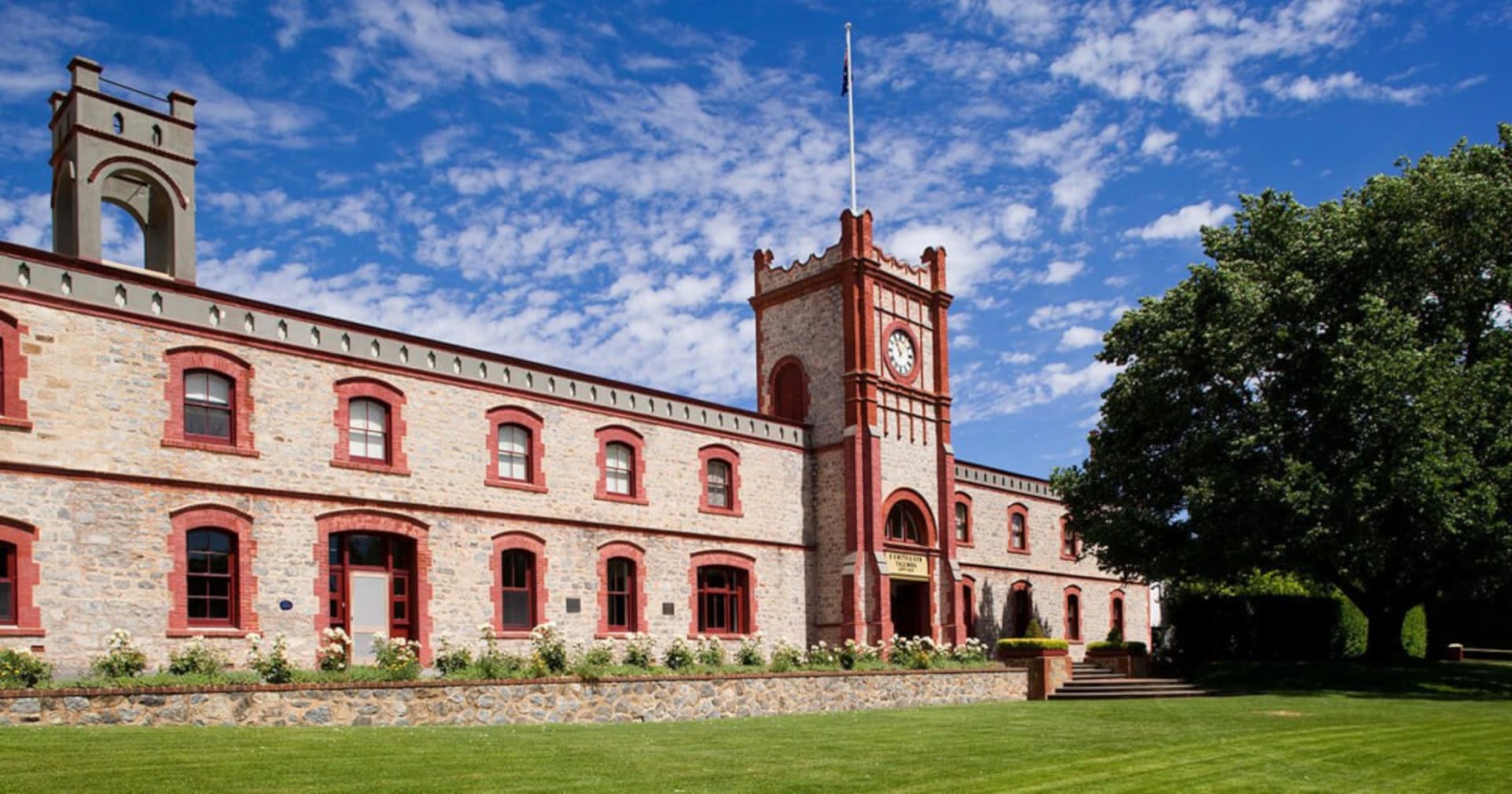




Established in 1849, Yalumba is Australia’s most historic family-owned wine company showcasing the best of the Barossa and South Australian wine regions. Fiercely independent and extremely progressive through the generational ownership by the Hill-Smith family, their longevity and success are a result of patience, collaboration, and forward-thinking. Yalumba is a leader in the industry with the foresight to embrace the natural terroir to craft wines with individual character and a sense of purpose, as well as a spirit to reinvest in the land upon which it operates. Yalumba is committed to sharing stories of provenance gathered over 175 years of history of family winemaking.
Arguably the single most famous wine region in Australia, the Barossa includes both Barossa Valley and Eden Valley, making it one of the only areas in Australia to have neighboring warm and cool climate growing conditions. Yalumba is privileged to have access to some of the oldest vineyards in the world in Barossa Valley, including 1889 bush vine Grenache and 1908 Shiraz. They are committed to growing premium quality fruit reflecting distinctive varietal characters of the region.
Yalumba also operates the Southern Hemisphere's only fully operational Cooperage, crafting bespoke oak barrels that elevate the wines aged within them. While the beginnings of the Yalumba Cooperage remain a mystery lost in time, coopering has been a proud tradition at the winery for more than a century. Their coopers have been performing and perfecting their craft since around 1890. In the Nursery, Yalumba is a global leader in wine innovation, growing, evaluating, and supplying quality grape vines to the Australian wine industry. Yalumba has developed strong relationships with leading grapevine programs from around the world and have exclusive access to certain new varietals in Australia. This gives the Yalumba viticulturists and winemakers the unique opportunity to evaluate and develop new or emerging varieties before they are sold.
Yalumba continually strives to reduce their impact on the environment, stay involved in the community, and make great wine with minimal intervention in the vineyard and in the winery. They are committed to sustainable practices, with the belief that the healthier and more biodiverse the vineyards are, the better the wines will be. Yalumba has been developing its own sustainable viticulture program since the mid-1990s, promoting the economic production of quality grapes. For every acre of vineyard Yalumba own, they have at least one acre of native vegetation. All Yalumba wines are crafted with wild yeast, are 100% vegan, and are made with the least intervention possible but with as much knowledge, confidence, and expertise as possible.

Apart from the classics, we find many regional gems of different styles.
Late harvest wines are probably the easiest to understand. Grapes are picked so late that the sugars build up and residual sugar remains after the fermentation process. Ice wine, a style founded in Germany and there referred to as eiswein, is an extreme late harvest wine, produced from grapes frozen on the vine, and pressed while still frozen, resulting in a higher concentration of sugar. It is becoming a specialty of Canada as well, where it takes on the English name of ice wine.
Vin Santo, literally “holy wine,” is a Tuscan sweet wine made from drying the local white grapes Trebbiano Toscano and Malvasia in the winery and not pressing until somewhere between November and March.
Rutherglen is an historic wine region in northeast Victoria, Australia, famous for its fortified Topaque and Muscat with complex tawny characteristics.

The Barossa Zone encompasses the Barossa Valley and Eden Valley. Some of the oldest vines in Australia can be found here.
Barossa Valley of course is the most important and famous wine growing region in all of Australia where 140+ year-old, dry-farmed Shiraz vines still produce inky, purple and dense juice for some of Australia's best wines.
In the cooler, wetter Eden Valley sub-region, the Hill of Grace vineyard is home to famous Shiraz vines from the 1800s but the region produces also some of Australia’s very best and age-worthy Rieslings.