


Winemaker Notes
Meaning ‘charming’, Xarmant is made with indigenous Basque varietals. It is dry with flavors of lime, green strawberries, white flowers, and comes with a slight saline spritz.
Enjoy as an aperitif or pair with seafood and brunch.
Professional Ratings
-
Wine Spectator
Aromas and flavors of ripe golden apple and dried white cherry are set in this dry white, which offers accents of crystallized honey, lanolin and raw almond. Shows an intriguing interplay between its rapierlike acidity and rich, juicy flavor profile. The finish is clean-cut and zesty. Hondarrabi Zuri and Petit Courbu. Drink now.

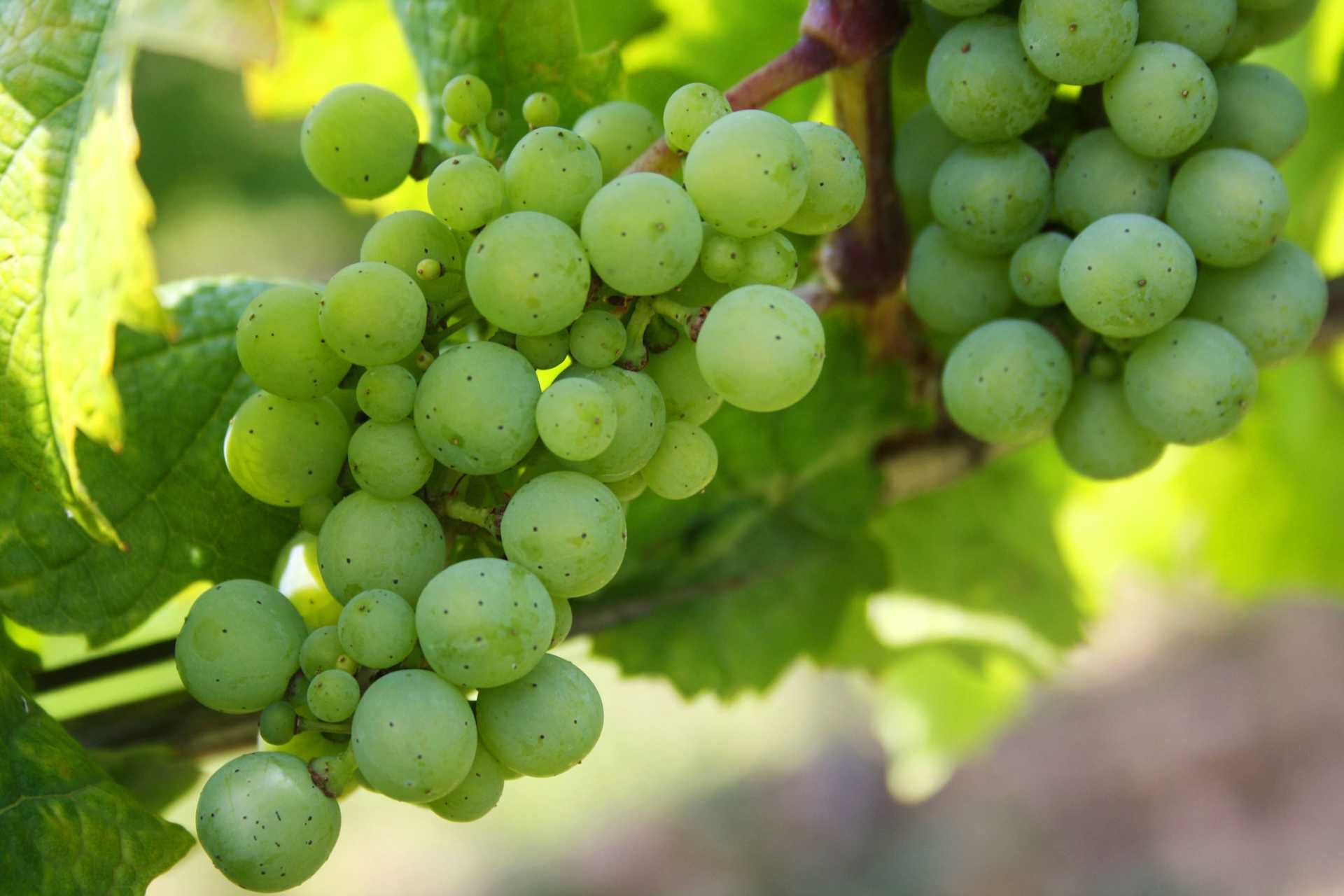
With hundreds of white grape varieties to choose from, winemakers have the freedom to create a virtually endless assortment of blended white wines. In many European regions, strict laws are in place determining the set of varieties that may be used in white wine blends, but in the New World, experimentation is permitted and encouraged. Blending can be utilized to enhance balance or create complexity, lending different layers of flavors and aromas. For example, a variety that creates a soft and full-bodied white wine blend, like Chardonnay, would do well combined with one that is more fragrant and naturally high in acidity. Sometimes small amounts of a particular variety are added to boost color or aromatics. Blending can take place before or after fermentation, with the latter, more popular option giving more control to the winemaker over the final qualities of the wine.

On the southern edge of the rocky Bay of Biscay in northern Spain, this is Basque country and home to the refreshing and slightly effervescent (usually) white wine, Txakoli. Three subregions compose the larger one: Getariako Txakolina, Bizkaiko Txakolina and Arabako Txakolina. While Hondarribi Zuri and Hondarrabi Beltza are the main grape varieties, other French varieties are scattered throughout the region.