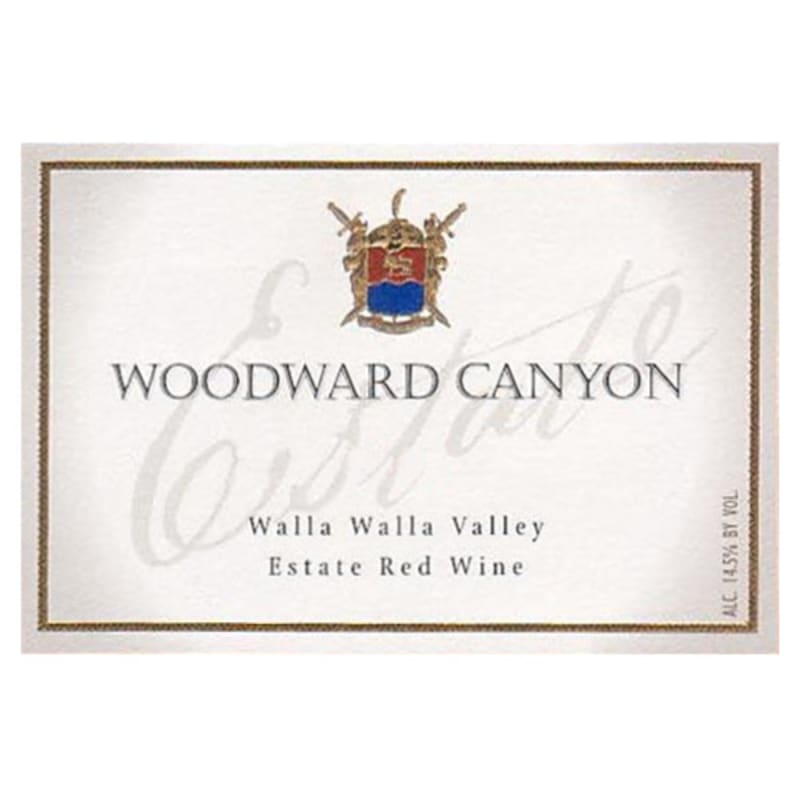

Winemaker Notes
This Woodward Canyon Estate Red is from the finest Estate Vineyard lots produced in 2006. It is wonderful to once again producing such a classic Walla Walla Valley red wine. The Estate Vineyard has always been a rather low yielding property and 2006 was no different. Average yield was less than two tons per acre. This particular vintage is soft, generous and more approachable.
The vintage of 2006 gave perfect physiological ripeness. As might be expected with such low yields, the resulting wine is concentrated with generous black fruit and cassis. A breadth of spices and vanilla from new oak integrate beautifully with firm fruit. A nose of roasted game, ripe fruit and shaved chocolate develops in the glass; the color is reddish purple. A soft, generous texture transitions to a supple, balanced mouth feel; the finish is rich, layered and long. In this wine I am again able to perceive an "expression" or "sense of place" from our Estate Vineyard and I love that! With proper cellaring, this wine should age for ten years.
These wines showcase fruit from Woodward Canyon Estate Vineyard. The blend changes every year and typically consists of merlot, cabernet sauvignon, cabernet franc and petit verdot. These wines age 8+ years from vintage.
Professional Ratings
-
Wine Enthusiast
This is Woodward Canyon's reserve - the best lots of Cabernet Franc, Petit Verdot, Cabernet Sauvignon and Merlot create this very limited wine. It is built to age, and reflects the tight and muscular style that Rick Small has developed over the years. There is a strong mineral-metal vein running through the black and blue fruits, and some very lively spicy highlights. Tannins are ripe but firm, and this is a wine that will benefit from further cellaring. Cellaring Selection
-
Wine & Spirits
This estate blend of cabernet franc, merlot and cabernet sauvignon starts out quietly, giving up little more than carob, olive, a bit of pencil lead. With air the wine begins to show black cherry and plum fruit, its savory flavors of mocha and salted caramel richly augmented by oak. The finish gathers force, and seems impossibly long. Give it time in the cellar before uncorking with a roast.
-
Robert Parker's Wine Advocate
The purple-colored 2006 Estate Red is a blend of 42% Cabernet Franc, 35% Merlot, and the balance Cabernet Sauvignon and Petit Verdot which spent 22 months in new French oak. The aromatic array includes toasty oak, pencil lead, espresso, black currant, and blackberry. On the palate it is medium to full-bodied, exceptionally concentrated, and layered. Notes of spice, game, and chocolate emerge adding complexity to this nicely balanced and lengthy effort. It should age gracefully for another 8-10 years and drink well through 2030.
-
Wine Spectator
Smooth, focused and generous with its coffee- and tobacco-accented cherry, blackberry and savory meat flavors. The finish just sails, remaining poised and expressive. Cabernet Franc, Merlot, Cabernet Sauvignon and Petit Verdot. Drink now through 2014.


One of the world’s most classic and popular styles of red wine, Bordeaux-inspired blends have spread from their homeland in France to nearly every corner of the New World. Typically based on either Cabernet Sauvignon or Merlot and supported by Cabernet Franc, Malbec and Petit Verdot, the best of these are densely hued, fragrant, full of fruit and boast a structure that begs for cellar time. Somm Secret—Blends from Bordeaux are generally earthier compared to those from the New World, which tend to be fruit-dominant.

Responsible for some of Washington’s most highly acclaimed wines, the Walla Walla Valley has experienced a surge in popularity in recent years and is home to both historic wineries and younger, up-and-coming producers.
The Walla Walla Valley, a Native American name meaning “many waters,” is located in southeastern Washington; part of the appellation actually extends into Oregon. Soils here are well-drained, sandy loess over Missoula Flood deposits and fractured basalt.
It is a region perfectly suited to Rhône-inspired Syrahs, distinguished by savory notes of red berry, black olive, smoke and fresh earth. Cabernet Sauvignon and Merlot create a range of styles from smooth and supple to robust and well-structured. White varieties are rare but some producers blend Sauvignon Blanc with Sémillon, resulting in a rich and round style, and plantings of Viognier, while minimal, are often quite successful.
Of note within Walla Walla, is one new and very peculiar appellation, called the Rocks District of Milton-Freewater. This is the only AVA in the U.S. whose boundaries are totally defined by the soil type. Soils here look a bit like those in the acclaimed Rhône region of Chateauneuf-du-Pape, but are large, ancient, basalt cobblestones. These stones work in the same way as they do in Chateauneuf, absorbing and then radiating the sun's heat up to enhance the ripening of grape clusters. The Rocks District is within the part of Walla Walla that spills over into Oregon and naturally excels in the production of Rhône varieties like Syrah, as well as the Bordeaux varieties.