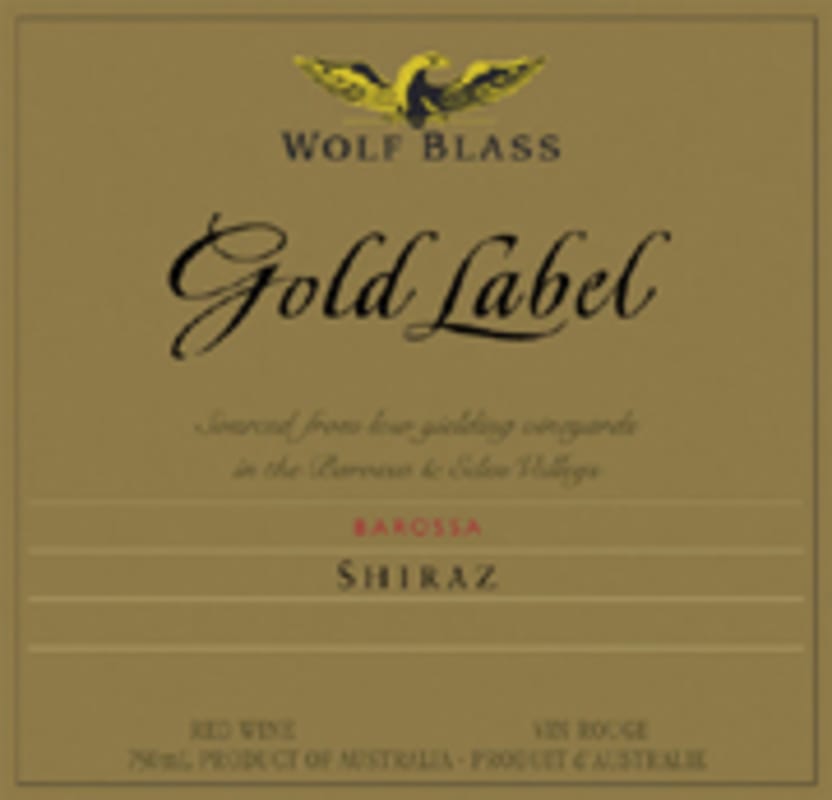

Winemaker Notes
The Barossa is Shiraz paradise. Wide daily temperature ranges thicken grape skins to develop wine colour and structure. Warm summer temperatures develop maximum ripeness, and low rainfall ensures juice concentration. Since the first Barossa vines were planted in 1847, a tradition of specialised pruning and minimal irrigation has forged the Barossa's reputation as a place where quality takes precedence over quantity.The screwcap closure is used to ensure freshness and preserve the characters of the wine and eliminate the possibility of cork taint.
This Shiraz is vibrant deep red in color with purple hues. The aromas exhibit blueberries, blackberries and dark plums overlaid with anise and smoky oak. Full, round and soft, this wine shows excellent depth across palate balanced by good acidity and fine long tannins.
Pair this Shiraz with slow roasted lamb shanks with tomato relish and creamy pepper mashed potatoes. Also good with red meats and anything barbequed.
"Shows distinctive Barossa style, with a touch of alcoholic warmth to the super ripe blackberry liqueur flavors. Ample oak imparts toast, vanilla, mint and chocolate complexity. It's a big, full-bodied wine, but because of its ripeness is approachable now."
-Wine Enthusiast
Professional Ratings


Marked by an unmistakable deep purple hue and savory aromatics, Syrah makes an intense, powerful and often age-worthy red. Native to the Northern Rhône, Syrah achieves its maximum potential in the steep village of Hermitage and plays an important component in the Red Rhône Blends of the south, adding color and structure to Grenache and Mourvèdre. Syrah is the most widely planted grape of Australia and is important in California and Washington. Sommelier Secret—Such a synergy these three create together, the Grenache, Syrah, Mourvedre trio often takes on the shorthand term, “GSM.”

Historically and presently the most important wine-producing region of Australia, the Barossa Valley is set in the Barossa zone of South Australia, where more than half of the country’s wine is made. Because the climate is very hot and dry, vineyard managers work diligently to ensure grapes reach the perfect levels of phenolic ripeness.
The intense heat is ideal for plush, bold reds, particularly Shiraz on its own or Rhône Blends. Often Shiraz and Cabernet partner up for plump and powerful reds.
While much less prevalent, light-skinned varieties such as Riesling, Viognier or Semillon produce vibrant Barossa Valley whites.
Most of Australia’s largest wine producers are based here and Shiraz plantings date back as far as the 1850s or before. Many of them are dry farmed and bush trained, still offering less than one ton per acre of inky, intense, purple juice.