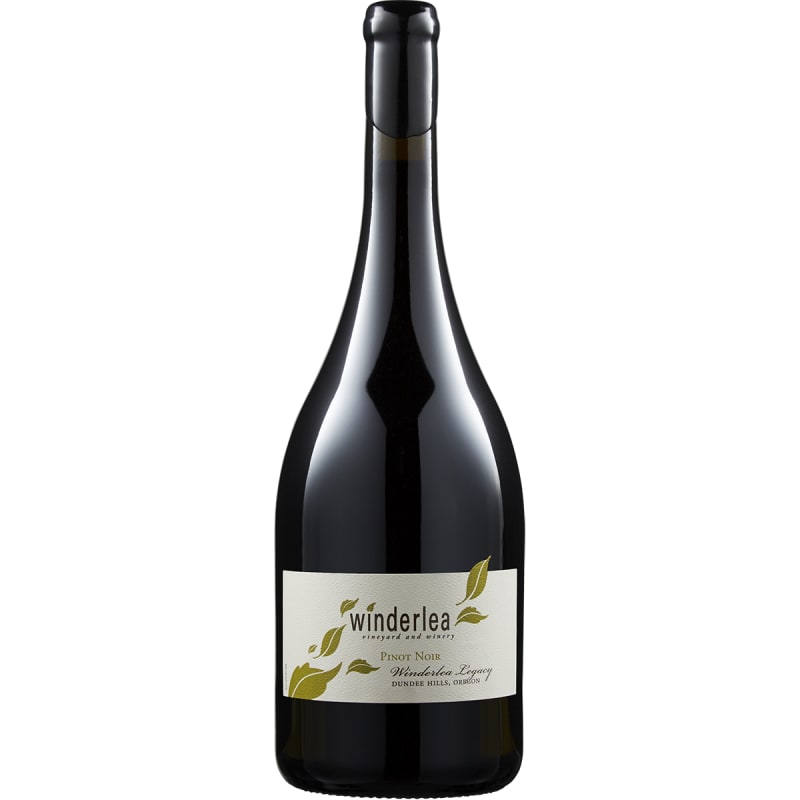


Winemaker Notes
Sourced exclusively from original, own rooted vines on the Winderlea Vineyard, the use of these 1974 - 1976 plantings shows what a difference vine age can make. Our quintessential bottling, it captures everything we treasure about our estate. Aromatically abundant and layered with a mélange of fresh fruit and florals, thepalate shows classic flavors of red cherry and rose petal, joined by notes of cigar and tobacco leaf- signature characters of the Winderlea Vineyard and legacy vines.
Professional Ratings
-
Robert Parker's Wine Advocate
The 2014 Pinot Noir Winderlea Vineyard Legacy was picked 19-27 September, just before the storm hit when the vines were beginning to show some botrytis. It was matured for 12 months with 28% new oak. It has a lovely bouquet, very pure and quite minerally, lifted Morello and strawberry fruit that is very detailed and utterly charming. The palate is medium-bodied fine and supple tannin, a keen line of acidity, balanced with fresh brambly red fruit and my only quibble is that it cuts away abruptly on the finish, hurrying out the door as if it has somewhere else to go. Even though it does not have the persistence, it is still a commendable Pinot Noir, one that I would prefer to drink in its youth rather than cellar.


Thin-skinned, finicky and temperamental, Pinot Noir is also one of the most rewarding grapes to grow and remains a labor of love for some of the greatest vignerons in Burgundy. Fairly adaptable but highly reflective of the environment in which it is grown, Pinot Noir prefers a cool climate and requires low yields to achieve high quality. Outside of France, outstanding examples come from in Oregon, California and throughout specific locations in wine-producing world. Somm Secret—André Tchelistcheff, California’s most influential post-Prohibition winemaker decidedly stayed away from the grape, claiming “God made Cabernet. The Devil made Pinot Noir.”

Home of the first Pinot noir vineyard of the Willamette Valley, planted by David Lett of Eyrie Vineyard in 1966, today the Dundee Hills AVA remains the most densely planted AVA in the valley (and state). To its north sits the Chehalem Valley and to its south, runs the Willamette River. Within the region’s 12,500 acres, about 1,700 are planted to vine on predominantly basalt-based, volcanic, Jory soil.