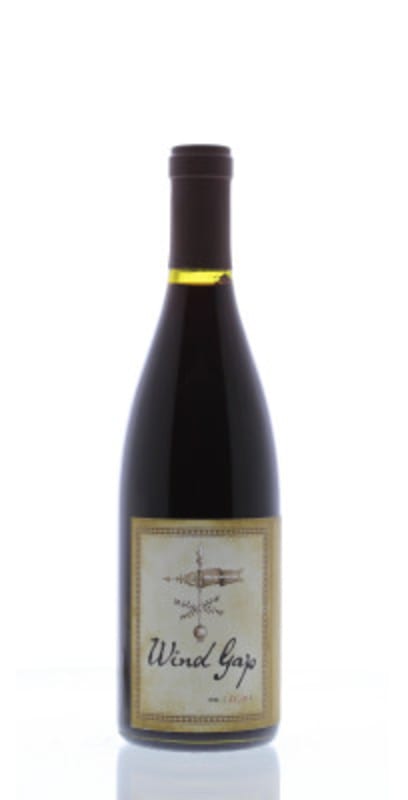


Winemaker Notes
Professional Ratings
-
Wine & Spirits
Wind Gap is Pax Mahle's latest project, based on vineyards located at gaps in the coastal hills where inland heat draws the cool ocean air over the vines. Griffins Lair is in the Petaluma Wind Gap, a southwest-facing slope planted on coarse gravel and rock. The conditions restrain the young vines (02 was the first vintage), bypassing the clumsy vigor new plantings often express and creating a youthful brilliance instead. The structure is racy, opening up as the scent of the wine grows more compelling with each sip. It has the crush of black pepper intersecting with the saltiness of cured meat, or, more directly, the saltiness of coastal air. Enjoy this bottle over the course of several days to catch the evolution it may parallel in the cellar. Delicious with Fra'Mani soppressata.
-
Robert Parker's Wine Advocate
Dark purple to the rim and more rustic and savage is the dense, rich, tannic, broodingly backward 2007 Syrah Griffin's Lair (100% Syrah, 100% whole clusters). This impressive offering demands 2-3 years of cellaring, and should last for 12-15 years.
-
Wine Spectator
Complex flavors of blackberry, wild berry, cedar, spice and chicory are full-bodied and focused, with a minerally edge turning to tar and ending with chewy, gripping tannins that turn cedary as well. Drink now through 2016.


Marked by an unmistakable deep purple hue and savory aromatics, Syrah makes an intense, powerful and often age-worthy red. Native to the Northern Rhône, Syrah achieves its maximum potential in the steep village of Hermitage and plays an important component in the Red Rhône Blends of the south, adding color and structure to Grenache and Mourvèdre. Syrah is the most widely planted grape of Australia and is important in California and Washington. Sommelier Secret—Such a synergy these three create together, the Grenache, Syrah, Mourvedre trio often takes on the shorthand term, “GSM.”
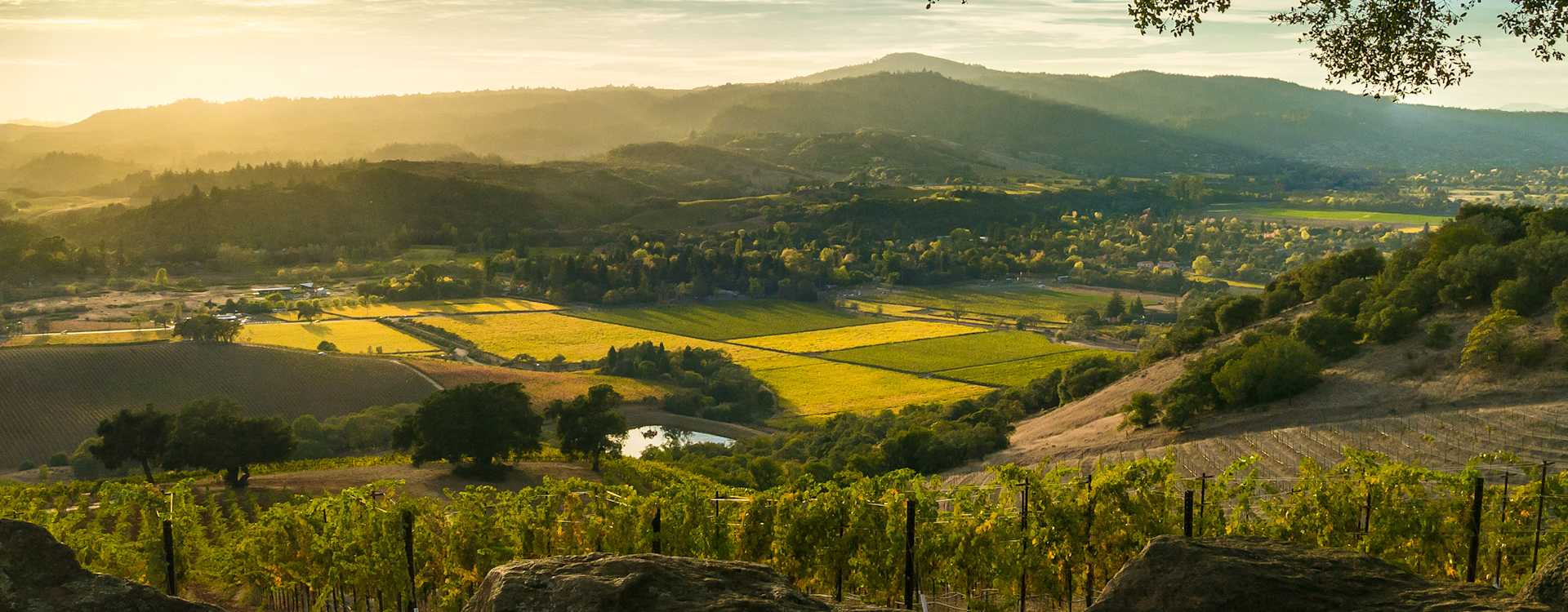
Home to a diverse array of smaller AVAs with varied microclimates and soil types, Sonoma County has something for every wine lover. Physically twice as large as Napa Valley, the region only produces about half the amount of wine but boasts both tremendous quality and variety. With its laid-back atmosphere and down-to-earth attitude, the wineries of Sonoma are appreciated by wine tourists for their friendliness and approachability. The entire county intends to become a 100% sustainable winegrowing region by 2019.
Sonoma County wines are produced with carefully selected grape varieties to reflect the best attributes of their sites—Dry Creek Valley’s consistent sunshine is ideal for Zinfandel, while the warm Alexander Valley is responsible for rich, voluptuous red wines like Cabernet Sauvignon. Chardonnay and Pinot Noir are important throughout the county, most notably in the cooler AVAs of Russian River, Sonoma Coast and Carneros. Sauvignon Blanc, Merlot and Syrah have also found a firm footing here.