


Winemaker Notes
Professional Ratings
-
James Suckling
This is from the Santa Rosa Plain area and is an old Martini clone, planted in the 1970s. The nose has a smoked-meat edge with a distinctive, savory, tanned-leather note and ripe, spice-dusted dark fruit. Beautiful, succulent acidity holds very rich fruit flesh together nicely and the palate has such weight and silky, deeply plush, velvety tannins. Give this a few years. Try from 2023.
-
Wine Enthusiast
Pungently floral and inviting, this vineyard site is in the heart of the Olivet Lane District, a historic part of the larger appellation. Orange and rhubarb flavors contribute a fleshy texture and a biting, high-toned lilt of acidity. Persistent notes of Asian spice and black tea give it complexity and length.
-
Jeb Dunnuck
The 2017 Pinot Noir Olivet Lane is another beautiful Russian River release from this estate that offers a big nose of wild strawberries, candied cherries, violets, mint, and sandalwood. Playing in the medium-bodied end of the spectrum, it's beautifully balanced, has moderate tannins, and a great finish, with its acidity there yet nicely tucked in behind beautiful fruit. It's not a heavyweight yet stays light, balanced, and incredibly satisfying. Drink it over the coming decade or more.
-
Connoisseurs' Guide
An altogether lovely young Pinot that is abidingly focused on the very pure fruit that has made the Russian River Valley one of California’s top sites for the variety, Williams Selyem’s latest from the Olivet Lane Vineyard is at once juicy, bright and wonderfully well-crafted with a near-velvety feel and energy to spare. It does not rely on high extract, but never goes wanting for concentration and fruity substance, and, as admittedly appealing and tempting as it at the moment, it is has the depth, nascent complexity and fine fit of pieces to evolve effortlessly for a half-decade and more.
-
Wine & Spirits
This grows at the Pellegrini family’s vineyard in Santa Rosa, one of the first plantings of pinot noir in the Russian River Valley. The vines are now well past 40, and their concentrated fruit produced a taut and juicy 2017. That fruit comes in shades of red, from Bing cherry to ripe strawberry and darker raspberry, generous, cool and spicy. Oak keeps it structured with a cinnamon-bark note. Decant it for a salad of duck confit and pomegranate.


Thin-skinned, finicky and temperamental, Pinot Noir is also one of the most rewarding grapes to grow and remains a labor of love for some of the greatest vignerons in Burgundy. Fairly adaptable but highly reflective of the environment in which it is grown, Pinot Noir prefers a cool climate and requires low yields to achieve high quality. Outside of France, outstanding examples come from in Oregon, California and throughout specific locations in wine-producing world. Somm Secret—André Tchelistcheff, California’s most influential post-Prohibition winemaker decidedly stayed away from the grape, claiming “God made Cabernet. The Devil made Pinot Noir.”
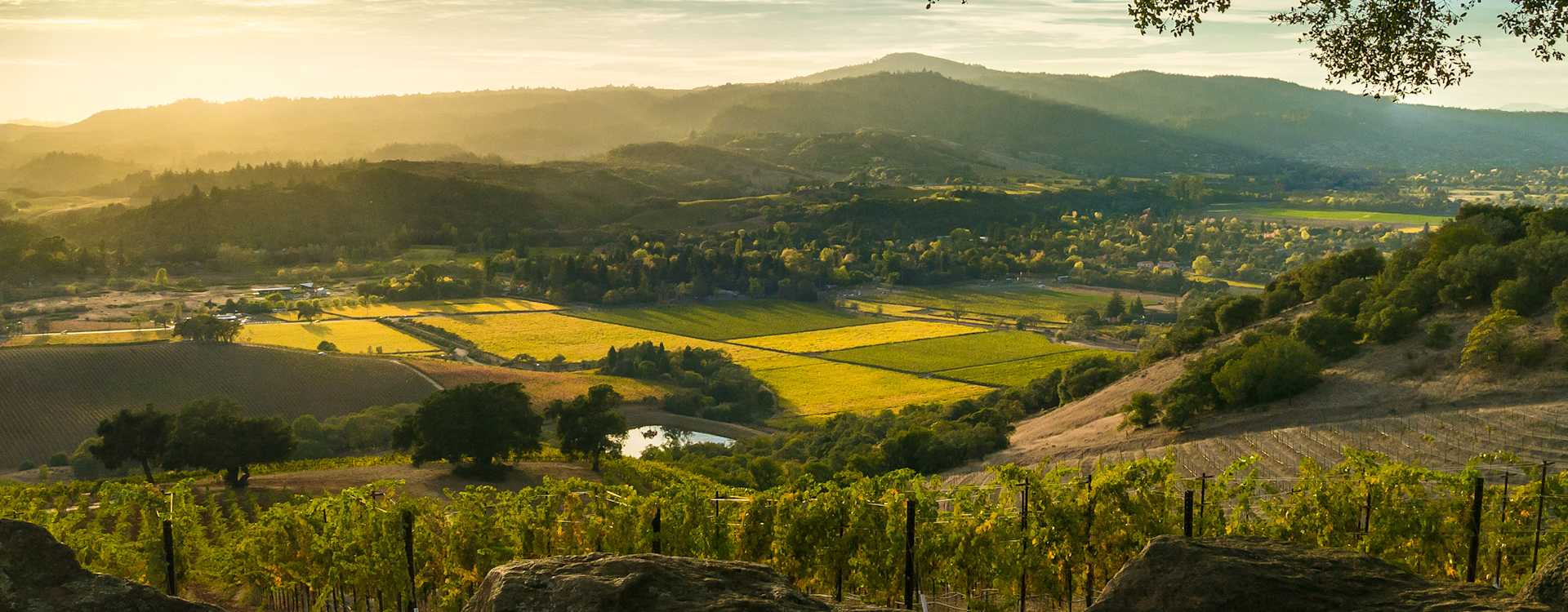
Home to a diverse array of smaller AVAs with varied microclimates and soil types, Sonoma County has something for every wine lover. Physically twice as large as Napa Valley, the region only produces about half the amount of wine but boasts both tremendous quality and variety. With its laid-back atmosphere and down-to-earth attitude, the wineries of Sonoma are appreciated by wine tourists for their friendliness and approachability. The entire county intends to become a 100% sustainable winegrowing region by 2019.
Sonoma County wines are produced with carefully selected grape varieties to reflect the best attributes of their sites—Dry Creek Valley’s consistent sunshine is ideal for Zinfandel, while the warm Alexander Valley is responsible for rich, voluptuous red wines like Cabernet Sauvignon. Chardonnay and Pinot Noir are important throughout the county, most notably in the cooler AVAs of Russian River, Sonoma Coast and Carneros. Sauvignon Blanc, Merlot and Syrah have also found a firm footing here.