


Winemaker Notes
Black cherry and musky herbs dominate the nose of this wine which comes from an old-vine Pinot Noir planting. A bouquet of violets softens the edges of the aromatics, while savory elements of anise and celery seed add another level of complexity to this dynamic wine. Enticing and comforting aromas of sweet cherry and fresh baked pie crust further add interest to the nose. The flavors are equally as exciting with notes of dark cherry and plum, and zesty acidity. Polished and seamless, the black tea-like tannins are wrapped up in a sappiness that exudes power and elegance at the same time. A streak of minerals in the middle palate gives way to a black cherry pit sensation on the finish.
Professional Ratings
-
Wine Enthusiast
From the heart of the appellation, this vineyard-designate wine starts off with heady violet and black tea aromas. The juicy palate offers a tremendous depth of flavor in tones of citrus, black cherry and strawberry, with a supple, silky texture.
-
Robert Parker's Wine Advocate
The 2016 Pinot Noir Olivet Lane Vineyard is pale to medium ruby-purple in color and gives up notions of warm plums and baked raspberries with wild blueberries, tilled soil and dark chocolate hints plus a waft of bay leaves. Medium to full-bodied and generously fruited, it fills the palate with juicy black berry flavors supported by plush tannins and finishing with an herbal lift. 290 cases produced.
-
Wine & Spirits
The age of these vines, planted in 1975, plays into the rich style of Williams Selyem Russian River pinot noirs. The wine is mellow and round, full-on in its textural breadth and spicy tannic density. Saturated with flavor, this will age well.


Thin-skinned, finicky and temperamental, Pinot Noir is also one of the most rewarding grapes to grow and remains a labor of love for some of the greatest vignerons in Burgundy. Fairly adaptable but highly reflective of the environment in which it is grown, Pinot Noir prefers a cool climate and requires low yields to achieve high quality. Outside of France, outstanding examples come from in Oregon, California and throughout specific locations in wine-producing world. Somm Secret—André Tchelistcheff, California’s most influential post-Prohibition winemaker decidedly stayed away from the grape, claiming “God made Cabernet. The Devil made Pinot Noir.”
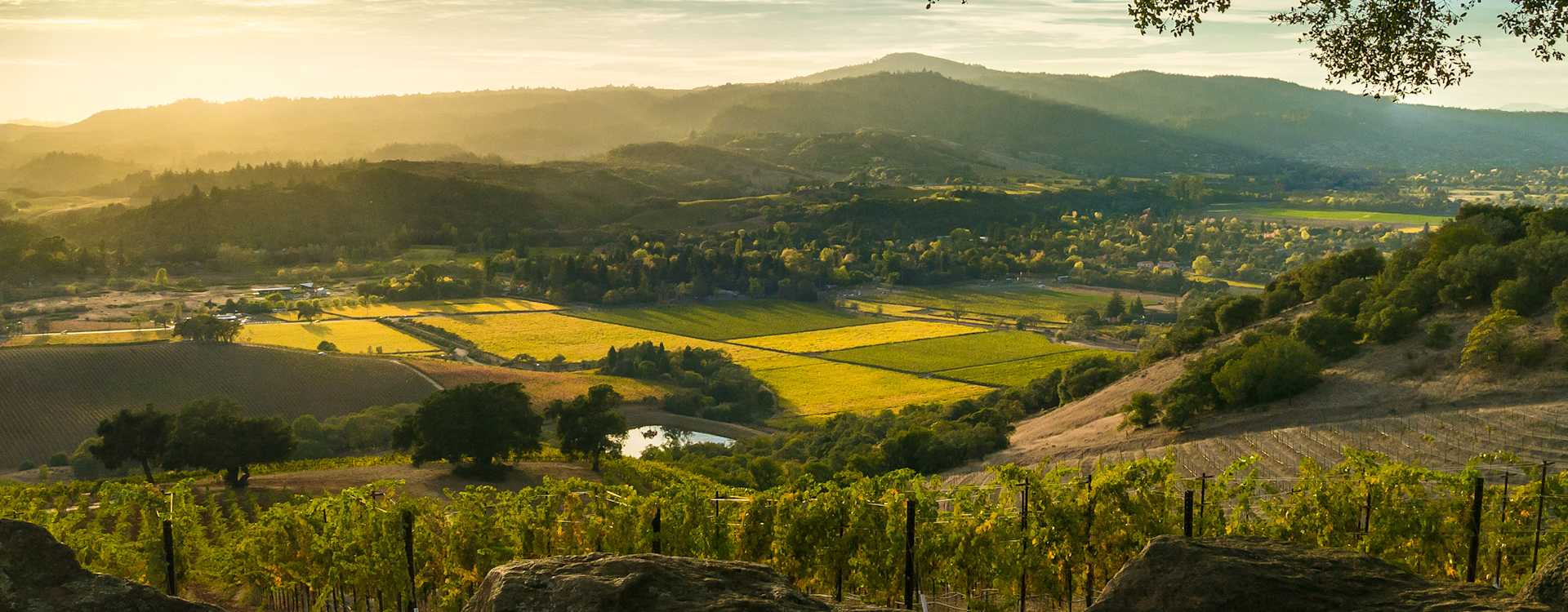
Home to a diverse array of smaller AVAs with varied microclimates and soil types, Sonoma County has something for every wine lover. Physically twice as large as Napa Valley, the region only produces about half the amount of wine but boasts both tremendous quality and variety. With its laid-back atmosphere and down-to-earth attitude, the wineries of Sonoma are appreciated by wine tourists for their friendliness and approachability. The entire county intends to become a 100% sustainable winegrowing region by 2019.
Sonoma County wines are produced with carefully selected grape varieties to reflect the best attributes of their sites—Dry Creek Valley’s consistent sunshine is ideal for Zinfandel, while the warm Alexander Valley is responsible for rich, voluptuous red wines like Cabernet Sauvignon. Chardonnay and Pinot Noir are important throughout the county, most notably in the cooler AVAs of Russian River, Sonoma Coast and Carneros. Sauvignon Blanc, Merlot and Syrah have also found a firm footing here.