


Winemaker Notes
This wine has a floral nose, with fruity aromas enhanced by intense mineral notes and developing lightly smoky touches. Very round on the palate, both full-bodied and refined.
Pairs well with shellfish and seafood, grilled or in a cream sauce, as well as with poultry and other white meats.
Professional Ratings
-
Decanter
Beautiful mix of richness, grace and drive. As always with Fèvre's Les Preuses, this is elegant, long-living and fine. Ultra-stylish and very mineral. From two sections of vines. One situated low down on Les Preuses next to Vincent Dauvissat's plot, on the flatter part facing south, the other on deeper soils, with both adding richness and totalling 2.5ha.
-
Jasper Morris
Such a fresh lime infused colour. The bouquet shows the soft creamy riches that you can find here in Les Preuses. There is plenty of bulk but the hectare plot which drops down into Vaudésir gives the mineral tension. A little lime and lemon coats the tongue at the finish. Barrel Sample: 93-95
-
Robert Parker's Wine Advocate
The 2022 Chablis Grand Cru Les Preuses wafts from the glass with aromas of orange zest, oyster liquor, brine and white flowers. Medium to full-bodied, satiny and textural, it's more and intensely mineral, underlining its role as the most ethereal of the grand cru climats.
-
Vinous
The 2022 Chablis Les Preuses Grand Cru is not unlike the Valmur on the nose: backward and a little sultry in style, with faint touches of crustacea coming through. The palate is more generous with orchard fruit, hints of apricot and wild peach, and fine acidity. It is very harmonious but without quite the same complexity as the Valmur on the finish. Still, this should give many years of drinking pleasure.
Barrel Sample: 92-94 -
Wine Spectator
A firm mineral edge underscores the greengage, apple and floral flavors in this expressive white.The vibrant acidity keeps this focused and long, with orchard fruit and stone accents on the long aftertaste.

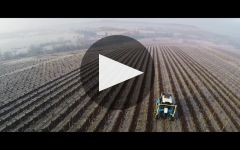



Domaine William Fèvre is a historical and environmental pioneer in Chablis. The domaine covers a total of 78 hectares, including 15 hectares of Grand Cru vineyards as the largest Grand Cru landowner in Chablis. The domaine is also comprised of 16 hectares of Premiers Crus, including icons such as Vaulorent, Montmains, and Les Lys, among many others. William Fèvre has been committed to a strong environmental approach for more than 20 years, receiving their HVE3 certification in 2014. Domaine William Fèvre does everything possible to express the most subtle variations in Chablis' climats and to offer wines that give everyone, from novices to connoisseurs, the opportunity to enjoy an experience characterized by a superb expression of purity and minerality.

One of the most popular and versatile white wine grapes, Chardonnay offers a wide range of flavors and styles depending on where it is grown and how it is made. While it tends to flourish in most environments, Chardonnay from its Burgundian homeland produces some of the most remarkable and longest lived examples. California produces both oaky, buttery styles and leaner, European-inspired wines. Somm Secret—The Burgundian subregion of Chablis, while typically using older oak barrels, produces a bright style similar to the unoaked style. Anyone who doesn't like oaky Chardonnay would likely enjoy Chablis.

The source of the most racy, light and tactile, yet uniquely complex Chardonnay, Chablis, while considered part of Burgundy, actually reaches far past the most northern stretch of the Côte d’Or proper. Its vineyards cover hillsides surrounding the small village of Chablis about 100 miles north of Dijon, making it actually closer to Champagne than to Burgundy. Champagne and Chablis have a unique soil type in common called Kimmeridgian, which isn’t found anywhere else in the world except southern England. A 180 million year-old geologic formation of decomposed clay and limestone, containing tiny fossilized oyster shells, spans from the Dorset village of Kimmeridge in southern England all the way down through Champagne, and to the soils of Chablis. This soil type produces wines full of structure, austerity, minerality, salinity and finesse.
Chablis Grands Crus vineyards are all located at ideal elevations and exposition on the acclaimed Kimmeridgian soil, an ancient clay-limestone soil that lends intensity and finesse to its wines. The vineyards outside of Grands Crus are Premiers Crus, and outlying from those is Petit Chablis. Chablis Grand Cru, as well as most Premier Cru Chablis, can age for many years.