


Winemaker Notes
This Sonoma Stage Vineyard Pinot Noir has aromatic layers of fresh cherries, strawberry jam, cherry lollipop, licorice and raspberry scones. On the palate, bright acidity intermingles with maraschino cherries, wild game, strawberry rhubarb pie, raspberry coulis and toasted brioche. All these elements burst from this wine with a textured, round mouthfeel and long-structured finish.
Professional Ratings
-
Wine Enthusiast
Tempting ripe plum and cherry aromas lead to a rich, almost sweet palate of red and black fruit. Light tannins and a full body lend a smooth, mouthfilling texture.
-
Wine Spectator
Red and black tea notes lead the way for gently mulled red and black cherry fruit. A twinge of wet pine infuses the caressing finish, adding a touch of contrast.
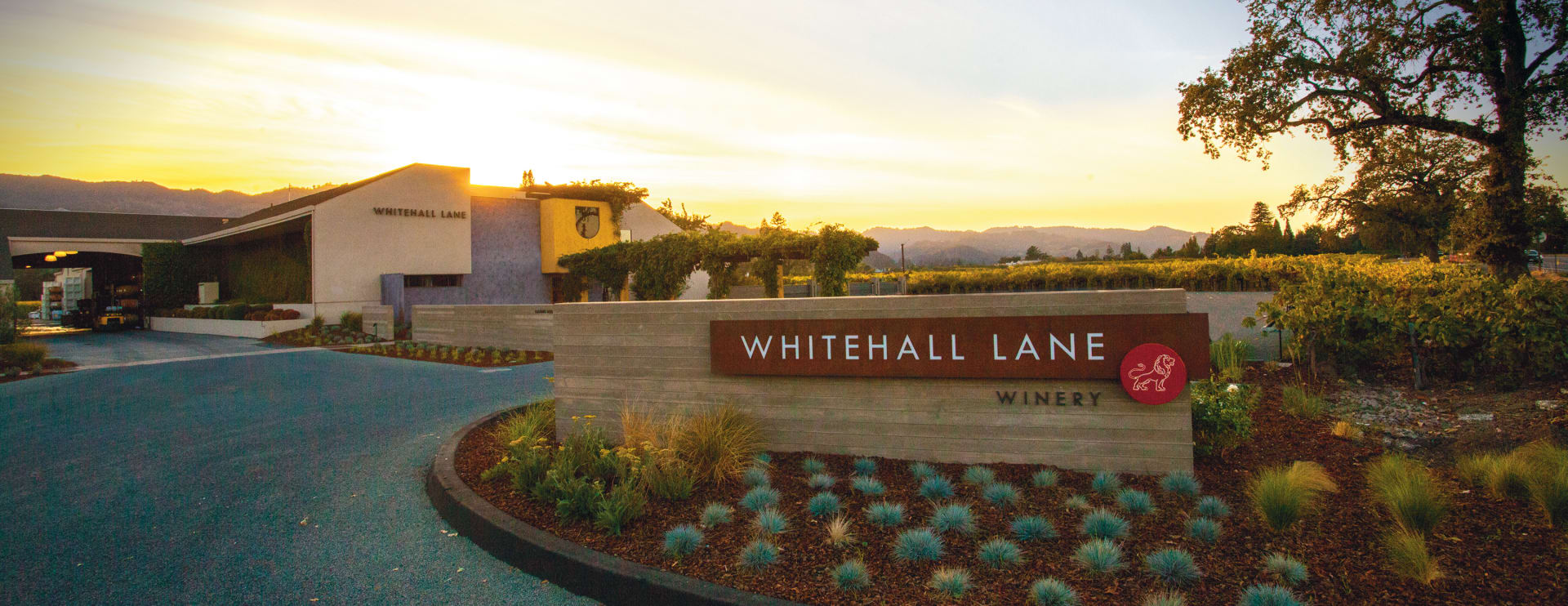



Whitehall Lane Winery was founded in 1979, but the history of the soil cultivation dates back two centuries. In the mid 1800's, Napa Valley settlers were drawn to the gravelly-loam soils and ideal climate, planting high quality grape vines at the Whitehall Lane Winery site. A barn constructed in the early 1900's for equipment storage is still used today. In 1979, two brothers started the winery and directed their winemaking efforts successfully to Merlot and Cabernet Sauvignon. They named the winery after the road that runs along the southern border of the property, Whitehall Lane.
In 1993, the Leonardini Family purchased the Whitehall Lane Winery estate. They updated the winemaking and barrel-aging program and introduced a scientific approach in the vineyards. The winery now owns seven prime vineyards that are the cornerstone on which the wines are made. They include two vineyards in the St. Helena Appellation, three vineyards (including the winery) in the Rutherford Appellation, one vineyard in the Oak Knoll District of Napa Valley and one vineyard in Sonoma Valley.
In its short history, Whitehall Lane has developed into a world-class winery. The efforts of the Leonardini Family are evident in the run of accolades from wine publications but are even more apparent in their elegant, beautifully made wines.

Thin-skinned, finicky and temperamental, Pinot Noir is also one of the most rewarding grapes to grow and remains a labor of love for some of the greatest vignerons in Burgundy. Fairly adaptable but highly reflective of the environment in which it is grown, Pinot Noir prefers a cool climate and requires low yields to achieve high quality. Outside of France, outstanding examples come from in Oregon, California and throughout specific locations in wine-producing world. Somm Secret—André Tchelistcheff, California’s most influential post-Prohibition winemaker decidedly stayed away from the grape, claiming “God made Cabernet. The Devil made Pinot Noir.”

A vast appellation covering Sonoma County’s Pacific coastline, the Sonoma Coast AVA runs all the way from the Mendocino County border, south to the San Pablo Bay. The region can actually be divided into two sections—the actual coastal vineyards, marked by marine soils, cool temperatures and saline ocean breezes—and the warmer, drier vineyards further inland, which are still heavily influenced by the Pacific but not quite with same intensity.
Contained within the appellation are the much smaller Fort Ross-Seaview and Petaluma Gap AVAs.
The Sonoma Coast is highly regarded for elegant Pinot Noir, Chardonnay, and, increasingly, cool-climate Syrah. The wines have high acidity, moderate alcohol, firm tannin, and balanced ripeness.