

Winemaker Notes
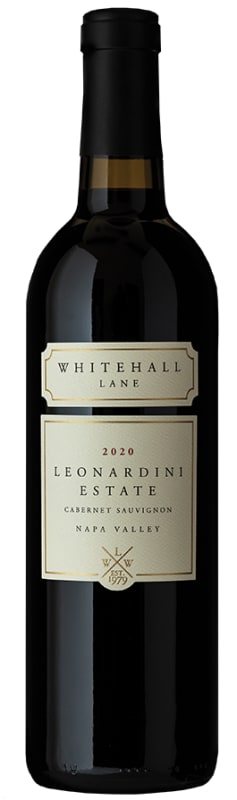
This 2020 Leonardini Estate wine is pure Napa Valley Cabernet Sauvignon. It begins on the nose bursting with fragrant black cherries, mixed berry jam, crème de cassis, blueberries, caramel, and a hint of blackberry tartlet. Its balance and mid-palate are most notable, providing smooth, plush tannins alongside its dense fruit character. On the palate, it delivers raspberry Chambord, red currants, brown sugar, almond croissant, and vanilla bean.
Professional Ratings
-
Decanter
This 100% Cabernet Sauvignon is sourced from two of Whitehall Lane's six estate vineyards, one in Rutherford and one in St. Helena, aged 26 months in 70% new French oak and crafted by Jason Moulton. Incredibly fresh and vibrant. Pretty violet florals leap from the glass, accompanied by blackberry and blueberry fruits along with rich, toasty oak notes. Plush, full-bodied and deeply layered with ripe black and blue fruits atop a bed of pixelated tannins and round, lacy acidity. Compact, tightly knit with a long, expressive finish marketed by gravelly minerals and salted dark chocolate notes.
-
Wine Enthusiast
Luscious blueberry and cream flavors are shaded by dark chocolate, mint and cedar notes in this beautifully concentrated and full-bodied wine. Power and finesse come together here, as the silky tannins project pure fruit and classy oak nuances into a lingering finish. Best 2028–2038.
-
James Suckling
Bright and aromatic with spiced dark berries, dried citrus peel, walnuts and cigar box. Full-bodied, dense and velvety with firm tannins. Deep and succulent with crunchy freshness to the fruit. Attractive and long.
-
Wine Spectator
Open-knit, with a juicy ball of boysenberry and blackberry notes backed by bramble and licorice root hints. Reveals toasty vanilla streaks on the finish. Drink now through 2033. 296 cases made.
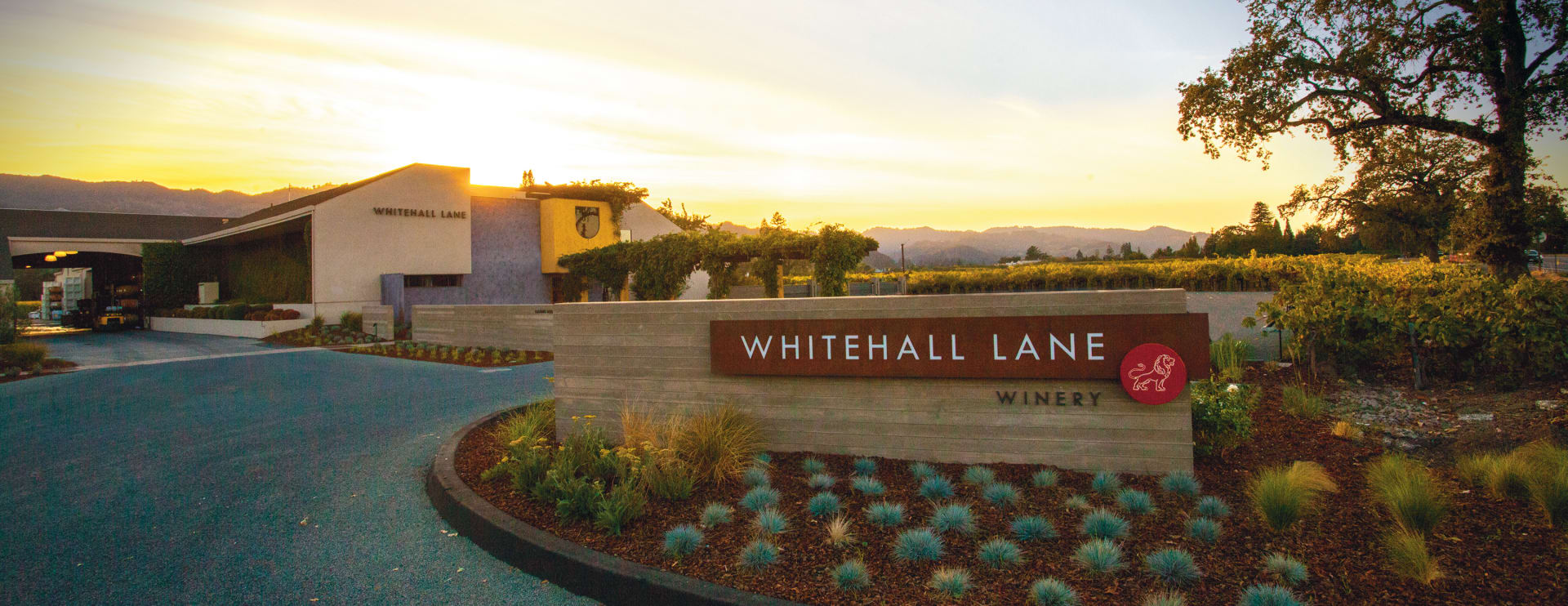



Whitehall Lane Winery was founded in 1979, but the history of the soil cultivation dates back two centuries. In the mid 1800's, Napa Valley settlers were drawn to the gravelly-loam soils and ideal climate, planting high quality grape vines at the Whitehall Lane Winery site. A barn constructed in the early 1900's for equipment storage is still used today. In 1979, two brothers started the winery and directed their winemaking efforts successfully to Merlot and Cabernet Sauvignon. They named the winery after the road that runs along the southern border of the property, Whitehall Lane.
In 1993, the Leonardini Family purchased the Whitehall Lane Winery estate. They updated the winemaking and barrel-aging program and introduced a scientific approach in the vineyards. The winery now owns seven prime vineyards that are the cornerstone on which the wines are made. They include two vineyards in the St. Helena Appellation, three vineyards (including the winery) in the Rutherford Appellation, one vineyard in the Oak Knoll District of Napa Valley and one vineyard in Sonoma Valley.
In its short history, Whitehall Lane has developed into a world-class winery. The efforts of the Leonardini Family are evident in the run of accolades from wine publications but are even more apparent in their elegant, beautifully made wines.

One of the most prestigious wines of the world capable of great power and grace, Napa Valley Cabernet is a leading force in the world of fine, famous, collectible red wine. Today the Napa Valley and Cabernet Sauvignon are so intrinsically linked that it is difficult to discuss one without the other. But it wasn’t until the 1970s that this marriage came to light; sudden international recognition rained upon Napa with the victory of the Stag’s Leap Wine Cellars 1973 Cabernet Sauvignon in the 1976 Judgement of Paris.
Cabernet Sauvignon undoubtedly dominates Napa Valley today, covering half of the land under vine, commanding the highest prices per ton and earning the most critical acclaim. Cabernet Sauvignon’s structure, acidity, capacity to thrive in multiple environs and ability to express nuances of vintage make it perfect for Napa Valley where incredible soil and geographical diversity are found and the climate is perfect for grape growing. Within the Napa Valley lie many smaller sub-AVAs that express specific characteristics based on situation, slope and soil—as a perfect example, Rutherford’s famous dust or Stags Leap District's tart cherry flavors.