
Winemaker Notes
Professional Ratings
-
Robert Parker's Wine Advocate
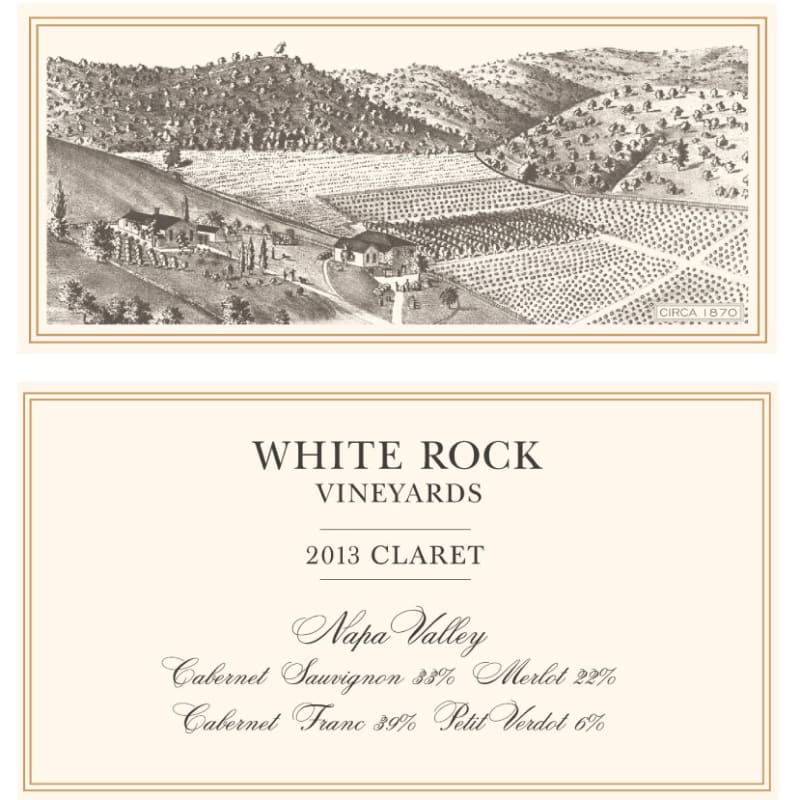
The 2013 Proprietary Red Blend Claret is a blend of 33% Cabernet Sauvignon, 22% Merlot, 39% Cabernet Franc and 6% Petit Verdot. This has always been their flagship wine. This is the most fruit-forward, delicious, sexy wine in the portfolio, with soft tannins, loads of raspberry, blueberry and blackcurrant fruit, licorice and forest floor in a medium to full-bodied, silky smooth style. This is sexy, yet at the same time complex juice. Drink it over the next 12-15 years.
-
James Suckling
A red with orange peel, plums and spices on the nose. Medium to full body, firm and silky tannins and a flavorful finish. Tight and chewy. Very pretty. 33% cabernet sauvignon, 22% merlot, 39% cabernet franc and 6% petit verdot. Try in 2019.
-
Connoisseurs' Guide
Smells of fresh raspberries and richer ones of berry preserves merge nicely with a bit of sweet oak and notes of dried herbs in the nose here, and, if certainly not lacking in basic grip nor escaping a rush of late-arriving astringency, this well-composed wine has the richness and fruity heart to become genuinely inviting in time. For now, however, its tannins hold sway, but that will not always be the case, and five-plus years of cellaring is encouraged. There is a complex and polished wine waiting to emerge.


Undoubtedly proving its merit over and over, Napa Valley is a now a leading force in the world of prestigious red wine regions. Though Cabernet Sauvignon dominates Napa Valley, other red varieties certainly thrive here. Important but often overlooked include Merlot and other Bordeaux varieties well-regarded on their own as well as for their blending capacities. Very old vine Zinfandel represents an important historical stronghold for the region and Pinot noir is produced in the cooler southern parts, close to the San Pablo Bay.
Perfectly situated running north to south, the valley acts as a corridor, pulling cool, moist air up from the San Pablo Bay in the evenings during the hot days of the growing season, which leads to even and slow grape ripening. Furthermore the valley claims over 100 soil variations including layers of volcanic, gravel, sand and silt—a combination excellent for world-class red wine production.