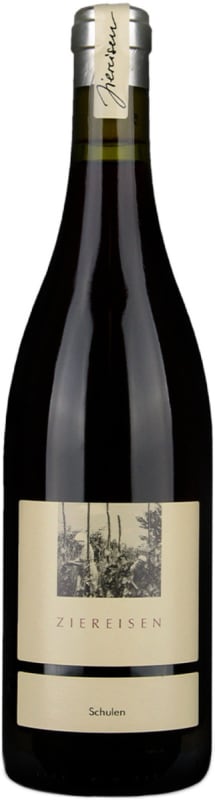


Winemaker Notes
The palate is tannic and gravelly; it also leans in a "pine-needle" direction and yields to a smoky, stony detailed finish. The site is limestone layered with alluvial stones from the old Rhine, and this is the first wine to see any new wood.
Professional Ratings
-
Robert Parker's Wine Advocate
From Jurassic chalk soils and aged in (10% new) barrels for 20 months, the Blauer Spätburgunder (a.k.a. Pinot Noir) 2019 Schulen opens with an intense and generous yet, after a longer while of aeration, rather pure, refined and elegant nose of ripe and spicy dark fruits intermingled with discreet but noble toasty notes such as coffee and cacao beans, later on rather crushed limestone tones. Lush and round but dry and fresh on the palate, this is a light to medium-bodied, straight and grippy Pinot Noir with fine tannins and refreshing phenolic acidity. The 2019 Schulen develops a fine, tart and youthful finish. This is an everyday Pinot with a characterful and fruity finish.


Thin-skinned, finicky and temperamental, Pinot Noir is also one of the most rewarding grapes to grow and remains a labor of love for some of the greatest vignerons in Burgundy. Fairly adaptable but highly reflective of the environment in which it is grown, Pinot Noir prefers a cool climate and requires low yields to achieve high quality. Outside of France, outstanding examples come from in Oregon, California and throughout specific locations in wine-producing world. Somm Secret—André Tchelistcheff, California’s most influential post-Prohibition winemaker decidedly stayed away from the grape, claiming “God made Cabernet. The Devil made Pinot Noir.”
