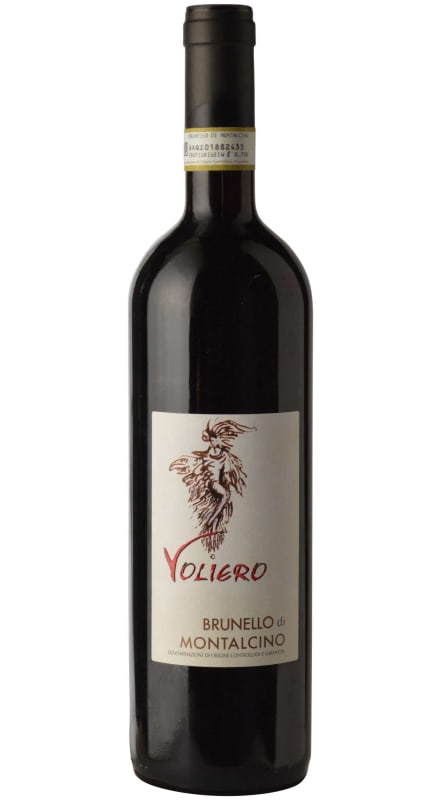


Winemaker Notes
Aromas of red plum, cherry, and kirsch with hints of flowers. The palate is lush and silky with lingering notes of cherry, herbs, and mineral.
Professional Ratings
-
Vinous
A mentholated freshness introduces the 2019 Brunello di Montalcino, as a vibrant wave of crushed cherries, mint leaf, clove and dusty roses make up its absolutely gorgeous bouquet. This is silky and enveloping yet lifted and full of energy, with crunchy red berry fruits that leave a crackle of primary concentration toward the close. It finishes pretty saline and spicy in character, leaving edgy tannins to mingle with a residual bump of acidity that maintains a wonderfully fresh sensation as tart cranberry notes fade. This is one of the most exciting young renditions of Voliero I have ever tasted. It captivates with its precision and spry personality while holding depths of complexity in reserve. Wow.
-
Jeb Dunnuck
A medium red/garnet hue, the 2019 Brunello Di Montalcino is sunny and expressive with ripe cherries, blood orange, cypress pine, and incense notes. Medium to full-bodied, it floats across the palate with ripe tannins, even-keeled fresh acidity, and a chalky texture through the finish. It’s a very appealing wine that will improve if given another year or two. Drink 2025-2037.
-
James Suckling
Aromas of dried fruits, figs and tobacco leaves with an underlying nutty note. Refreshing acidity. Medium to full-bodied. Savory yet succulent finish. Better after 2026.
-
Robert Parker's Wine Advocate
The Voliero 2019 Brunello di Montalcino has ripe cherry fruit and blackberry, with soft and ripe layering throughout. This wine shows the rich and plump side of 2019, a vintage that offers more concentration than average. Dark fruit flavors cede to spice, earth and toasted chestnut husk. This wine shows solid, chalky tannins. Some 7,600 bottles (and larger formats) were made, and they're almost ready straight out of the gate.


Among Italy's elite red grape varieties, Sangiovese has the perfect intersection of bright red fruit and savory earthiness and is responsible for the best red wines of Tuscany. While it is best known as the chief component of Chianti, it is also the main grape in Vino Nobile di Montepulciano and reaches the height of its power and intensity in the complex, long-lived Brunello di Montalcino. Somm Secret—Sangiovese doubles under the alias, Nielluccio, on the French island of Corsica where it produces distinctly floral and refreshing reds and rosés.

Famous for its bold, layered and long-lived red, Brunello di Montalcino, the town of Montalcino is about 70 miles south of Florence, and has a warmer and drier climate than that of its neighbor, Chianti. The Sangiovese grape is king here, as it is in Chianti, but Montalcino has its own clone called Brunello.
The Brunello vineyards of Montalcino blanket the rolling hills surrounding the village and fan out at various elevations, creating the potential for Brunello wines expressing different styles. From the valleys, where deeper deposits of clay are found, come wines typically bolder, more concentrated and rich in opulent black fruit. The hillside vineyards produce wines more concentrated in red fruits and floral aromas; these sites reach up to over 1,600 feet and have shallow soils of rocks and shale.
Brunello di Montalcino by law must be aged a minimum of four years, including two years in barrel before realease and once released, typically needs more time in bottle for its drinking potential to be fully reached. The good news is that Montalcino makes a “baby brother” version. The wines called Rosso di Montalcino are often made from younger vines, aged for about a year before release, offer extraordinary values and are ready to drink young.