


Winemaker Notes
Brilliant ruby red in color, on the nose this wine offers scents of red fruits, plums, and violets. Also evident are notes of blond tobacco, graphite, damp underbrush, and toasty notes. On the palate, it is pleasantly refreshing, with elegant and balanced tannins that leave a long finish of toasted and bitter cacao notes, which come from aging in wood.
Professional Ratings
-
James Suckling
This medium-bodied red has notes of chocolate biscuits, cherries and bark. It’s fresh and juicy with lightly powdery tannins. Very approachable. From organically grown grapes.
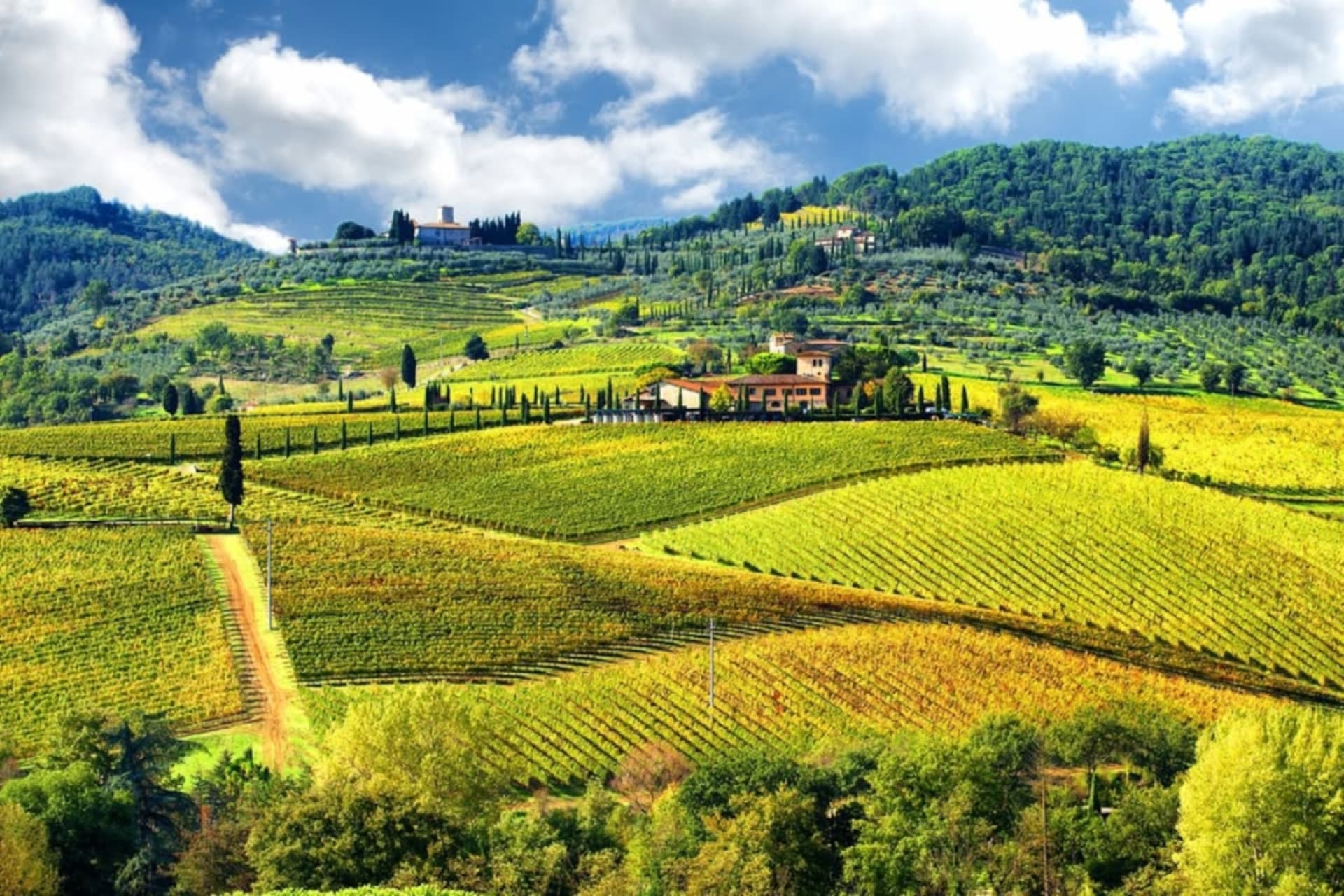


Viticcio has been making wine since 1964 among the rolling green hills of Tuscan wine country in Greve in Chianti, between Florence and Siena.
The winery’s vinicultural production began with the desire to capture and embody the potential of Chianti Classico, and it wasn’t long before Viticcio wines became renowned for their true and high quality expression of the Tuscan terroir. Since then, the winery has grown to encompass 120 hectares of estate-owned land among the hills of Chianti Classico and Maremma.
Today the Biba family carries forward the production of Viticcio winery, making wines that express the most authentic link between nature and man. They are driven by passion and enthusiasm to make their wines classic and elegant, yet with a fresh outlook on the terroir.

Among Italy's elite red grape varieties, Sangiovese has the perfect intersection of bright red fruit and savory earthiness and is responsible for the best red wines of Tuscany. While it is best known as the chief component of Chianti, it is also the main grape in Vino Nobile di Montepulciano and reaches the height of its power and intensity in the complex, long-lived Brunello di Montalcino. Somm Secret—Sangiovese doubles under the alias, Nielluccio, on the French island of Corsica where it produces distinctly floral and refreshing reds and rosés.

Legend has it that the region’s prized red grape, Sangiovese, took its name locally from the rusty, red “Morelli” horses that used to carriage high officials to and from the village of Scansano in the 1700s. Today the region’s most valuable wine, known as Morellino di Scansano, is of a similar blend as Chianti with a minimum of 85% Morellino (Sangiovese) and 15% other local varieties. But Scansano’s hilly, coastal location gives a full-bodied, and more fruit forward and less acid-driven red compared to its inland neighbor.