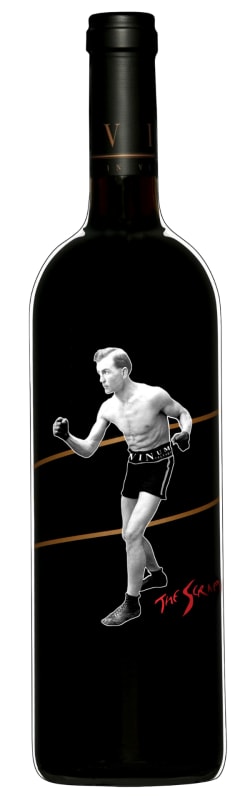


Winemaker Notes
This dry farmed Cabernet Franc is a concentrated, inky plum colored redthat is subtle in its approach with its silky tannins and generously integrated French oaklactones. The intense aromas are replete with dark fruits such as ripe huckleberry,blueberry and rich cherry vanilla with cassis tannins. The palate gives way to more of thesame juicy blackberry and dried cherry flavors with cigar box, cedar and integrated Frenchoak notes with vanilla. The finish is soft, supple and complete with plush tannins and silkyoak tones which interplay with generous fruit notes and contemplative spice and earthtones. This wine pairs well with grilled New York steak with sautéed mushroomswith shallots and fresh herbs like marjoram and oregano. If it is fish you are after, try itwith soy infused Sea Bass with Oyster Mushrooms and fresh ginger in a soy broth. It’s alsoabsolutely fantastic with grilled Unagi nigiri and a hit with Impossible Burgers whilewatching the big game!
Professional Ratings
-
James Suckling
Slightly chewy with some berry and hints of oak on the nose. Medium-bodied. Slightly austere at the end with a medium finish.
-
Wine Enthusiast
Firmly tannic and also nicely concentrated, this big, angular wine matches bright cinnamon and cedar notes from oak aging with nicely ripe and vibrant black currants and red cherries. Best from 2025.


Cabernet Franc, a proud parent of Cabernet Sauvignon, is the subtler and more delicate of the Cabernets. Today Cabernet Franc produces outstanding single varietal wines across the wine-producing world. Somm Secret—One of California's best-kept secrets is the Happy Canyon appellation of Santa Barbara. Here Cabernet Franc shines as a single varietal wine or in blends, expressing sumptuous fruit, savory aromas and polished tannins.

As home to California’s highest altitude vineyards, El Dorado is also one of its oldest wine growing regions. When gold miners settled here in the late 1800s, many also planted vineyards and made wine to quench its local demand.
By 1870, El Dorado County, as part of the greater Sierra Foothills growing area, was among the largest wine producers in the state, behind only Los Angeles and Sonoma counties. The local wine industry enjoyed great success until just after the turn of the century when fortune-seekers moved elsewhere and its population diminished. With Prohibition, winemaking and grape growing was totally abandoned. But some of these vines still exist today and are the treasure chest of the Sierra Foothills as we know them.
El Dorado has a diverse terrain with elevations ranging from 1,200 to 3,500 feet, creating countless mesoclimates for its vineyards. This diversity allows success with a wide range of grapes including whites like Gewurztraminer and Sauvignon Blanc, as well as for reds, Grenache, Syrah, Tempranillo, Barbera and especially, Zinfandel.
Soils tend to be fine-grained volcanic rock, shale and decomposed granite. Summer days are hot but nights are cool and the area typically gets ample precipitation in the form or rain or snow in the winter.