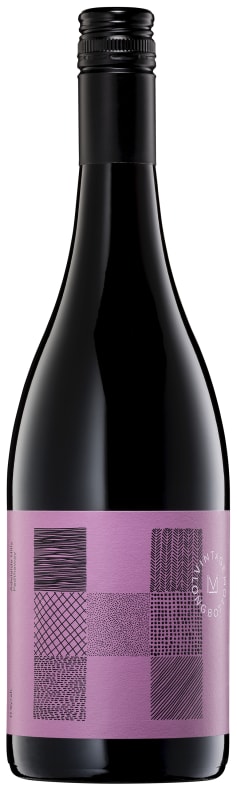


Winemaker Notes
Professional Ratings
-
Wine Enthusiast
This vintage is a blend of two regions, but going forward all fruit will be from the Adelaide Hills. A rich nose of raspberry, rhubarb compote, black currant cordial, flowers and cola lead to a supple and relatively approachable palate. It is woven with soft but supportive tannins, plummy fruit and spicy oak. Drink now–2027.
-
Wine Spectator
Fresh, featuring accents of cumin and star anise to the wild strawberry and pomegranate flavors at the core. Supple and creamy, with fresh acidity. A note of caramel lingers on the finish. Drink now through 2034.


Marked by an unmistakable deep purple hue and savory aromatics, Syrah makes an intense, powerful and often age-worthy red. Native to the Northern Rhône, Syrah achieves its maximum potential in the steep village of Hermitage and plays an important component in the Red Rhône Blends of the south, adding color and structure to Grenache and Mourvèdre. Syrah is the most widely planted grape of Australia and is important in California and Washington. Sommelier Secret—Such a synergy these three create together, the Grenache, Syrah, Mourvedre trio often takes on the shorthand term, “GSM.”
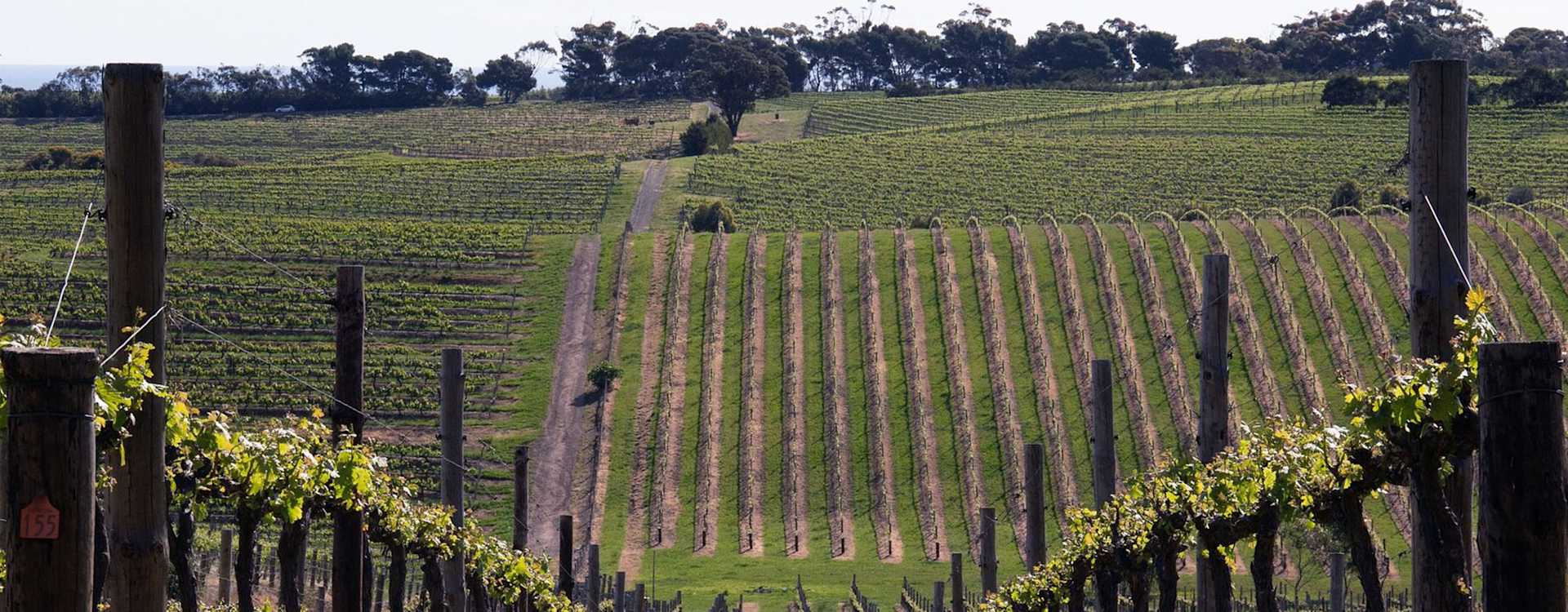
A narrow band of hills and valleys east of the city of Adelaide, the Adelaide Hills region is a diverse landscape featuring a variety of microclimates. In general it is moderate with high-altitude areas cooler and wetter compared to its warmer, lower areas.
Piccadilly Valley, the part of Adelaide Hills closest to the city, was first staked out by a grower named Brian Croser, in the 1970s for a cool spot to grow Chardonnay, then uncommon in Australia. Today a good amount of the Chardonnay goes to winemakers outside of the region.
Producers here experiment with other cool-climate loving aromatic varieties like Pinot Gris, Viognier and Riesling. Charming sparkling wine is also possible. On its north side, lower, west-facing slopes make full-bodied Shiraz.