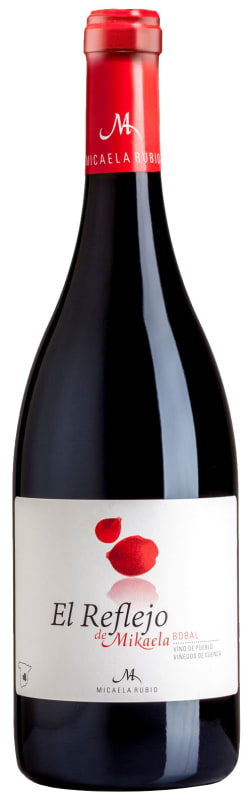


Winemaker Notes
These vineyards, which are located in the villages of Pozoamargo and Casas de Benítez, are located in the southeast of the province of Cuenca, in the historic basin of the Rio Jucar. The soils of large rounded stones owe their origins to this historic river, and create one of the most unique and differentiated terroirs in the vast diversity of Spanish vineyards. Thankfully, this area was also spared from the mass uprooting and commercialization of Spanish viticulture in the 60's and 70's, and as a result, has a tremendous diversity of field blended microparcels planted to Bobal and myriad other indigenous varieties. This is a little known area with a rich viticultural history, but climactically and geographically is the closest approximation in Spanish viticulture to the vineyards of Châteauneuf-du-Pape.
Professional Ratings
-
Jeb Dunnuck
The 2020 El Reflejo De Mikaela is a smaller production effort based on 90% Bobal and 10% other mixed indigenous field-blended red grape varieties. Ripe black cherries, leather, savory herbs, licorice, and some loamy earth notes all emerge from the glass, and it has a medium to full-bodied mouthfeel, savory tannins, and a good finish. It lacks some elegance but has a complex, singular, interesting character.
-
Wine Spectator
Fine and harmonious, with a creamy nappe to the mouthfeel that carries a lovely range of spiced raspberry, plum compote, dried marjoram and lavender notes. Fresh and balanced, with fine-grained tannins and hints of loamy earth and dark chocolate showing on the lightly chewy finish. Bobal, Pardilla, Malvasia, Moravia Agria, Moravia Dulce and Rojal Tinta. Drink now through 2030. 3,000 cases made, 500 cases imported.


Spanish red wine is known for being bold, heady, rustic and age-worthy, Spain is truly a one-of-a-kind wine-producing nation. A great majority of the country is hot, arid and drought-ridden, and since irrigation has only been recently introduced and (controversially) accepted, viticulture has sustained—and flourished—only through a great understanding of Spain’s particular conditions. Large spacing between vines allows each enough resources to survive and as a result, the country has the most acreage under vine compared to any other country, but is usually third in production.
Of the Spanish red wines, the most planted and respected grape variety is Tempranillo, the star of Spain’s Rioja and Ribera del Duero regions. Priorat specializes in bold red blends, Jumilla has gained global recognition for its single varietal Monastrell and Utiel-Requena has garnered recent attention for its reds made of Bobal.