


Winemaker Notes
Haloze Blanc is a cuveè that blends the the dominant grape varieties in Vino Gross' vineyards of the Haloze Hills. The blend includes vines of Furmint, Welschriesling, and Sauvignon Blanc, typical varieties of the region. Across the three varieties, vines span 10-65 years in age and grow on the calcareous clay-marl soils locally referred to as opok. Fermentation takes place in large neutral oak barrel, where the wine remains for 10-12 months before spending several additional months in stainless prior to bottling.
Blend: 40% Furmint, 40% Sauvignon Blanc, 20% Welschriesling
Professional Ratings
-
Robert Parker's Wine Advocate
From a steep, completely terraced and partly renewed, humus-rich vineyard planted with 40% Furmint, 40% Sauvignon Blanc and 20% Welschriesling, the 2021 Haloze Blanc shows a very clear, elegant and delicately spicy bouquet with coolish terroir notes (limestone marl), salt and ripe lemons with a touch of iodine. In the mouth, it is light and fresh as well as elegant and polished, and it has a very long, spicy and salty finish. It's still very youthful but with density and structure and fine oxidation. Despite the malolactic fermentation, the acidity still tastes fresh, thanks to stable pH values of 3.05 to 3.15. All in all, this is a very elegant, fresh, slender but dense, spicy and characterful wine that needs time. It is persistently salty and with slightly drying astringency. Bottled in March with 13% stated alcohol and no added SO2.

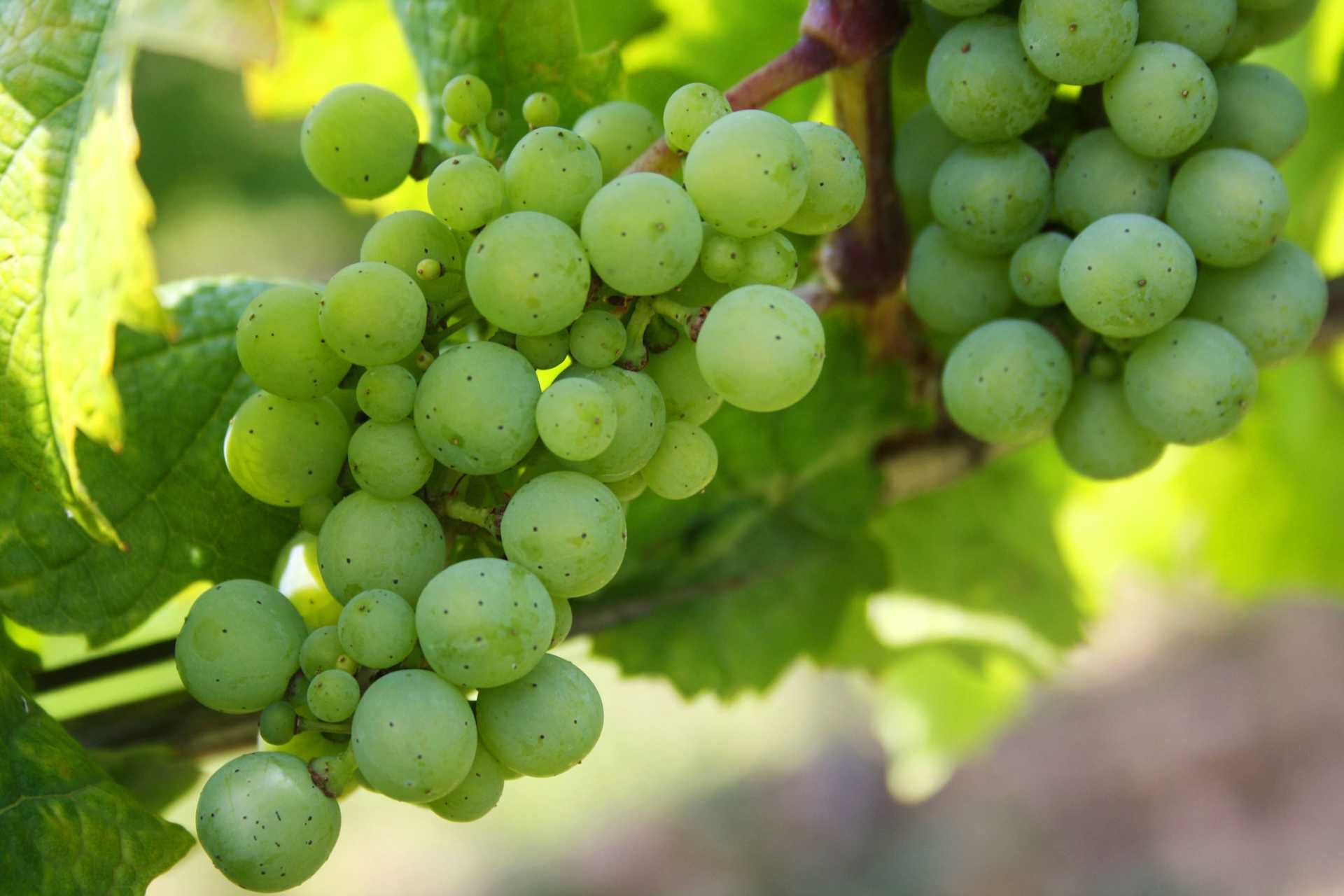
With hundreds of white grape varieties to choose from, winemakers have the freedom to create a virtually endless assortment of blended white wines. In many European regions, strict laws are in place determining the set of varieties that may be used in white wine blends, but in the New World, experimentation is permitted and encouraged. Blending can be utilized to enhance balance or create complexity, lending different layers of flavors and aromas. For example, a variety that creates a soft and full-bodied white wine blend, like Chardonnay, would do well combined with one that is more fragrant and naturally high in acidity. Sometimes small amounts of a particular variety are added to boost color or aromatics. Blending can take place before or after fermentation, with the latter, more popular option giving more control to the winemaker over the final qualities of the wine.

A picturesque, eastern European wine growing nation, Slovenia can claim one of the most ancient winemaking cultures in all of Europe. Its history dates back to the Celts and Illyrians tribes, well before the Romans had any influence on France, Spain or Germany. But it wasn’t until the 1970s that Slovenia developed a more refined, private-sector wine industry.
Today it is a powerful source of some of the industry’s most important orange wines (whites made with extended skin contact); furthermore, fully three quarters of the country’s wine production is white.
Slovenian weather is continental with hot summers and cold, wet winters. It is divided into three wine regions: Podravje in Slovenia’s northeast; Primorska in its west, close to Italy; and Posavje in its southeast. These are further divided to nine wine districts.