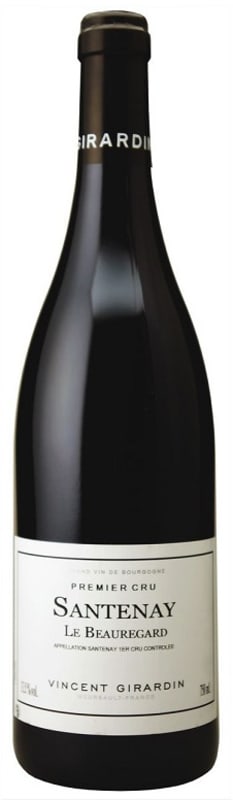


Winemaker Notes
Professional Ratings
-
Wine & Spirits
Eric Germain makes this wine from a parcel of 45-year-old vines, farmed without herbicides, fermented with some stems and with ambient yeasts, then aged in mostly older oak (he and Girardin have worked to cut back on new oak across their range, and Germain now uses 20 percent new barrels for this particular wine). The wine buzzes with energy, a hive of raspberry and pomegranate flavor, saturated without weight. The tannins add some youthful green stemminess and gamey depths, setting this up with the structure to age five years or more. It’s notably grand for a Santenay premier cru.


Thin-skinned, finicky and temperamental, Pinot Noir is also one of the most rewarding grapes to grow and remains a labor of love for some of the greatest vignerons in Burgundy. Fairly adaptable but highly reflective of the environment in which it is grown, Pinot Noir prefers a cool climate and requires low yields to achieve high quality. Outside of France, outstanding examples come from in Oregon, California and throughout specific locations in wine-producing world. Somm Secret—André Tchelistcheff, California’s most influential post-Prohibition winemaker decidedly stayed away from the grape, claiming “God made Cabernet. The Devil made Pinot Noir.”

In the far southern end of the Côte de Beaune, Santenay forms a little notch that juts into the otherwise straight border with Côte Chalonnaise.
Santenay red wines show the true essence of red Burgundy at good price points and without demanding a lot of cellar time. Enticing aromas of rose-petal, violet, red fruits and licorice lead to sturdiness on the palate. With soils rich in oolitic limestone and marl, this is the home of well-constructed, hearty Pinot noir and represents a fantastic region to explore if you are just beginning your understanding of red Burgundy.
Reputable vineyards of Santenay include La Maladière, as well as the Premier Crus of La Comme, Clos de Tavannes, and Les Gravières.