


Winemaker Notes
Pair with red meats, aged cheese and fatty fish.
Professional Ratings
-
Robert Parker's Wine Advocate
I was waiting to compare the 2010 Viña Real Gran Reserva with the Imperial Gran Reserva from that same vintage, as the comparison promised to be fascinating. This red blend from the Alavesa part of Rioja produced in its own winery is 95% Tempranillo and the rest Graciano; it fermented in stainless steel and matured in oak barrel for two years. The wine shows superb balance and harmony, with very subtle aromas of spices and flowers. It is one of those noses that make you go back to the wine over and over again, as it developed subtle nuances every time you smelled it. The palate feels a bit light compared with the Contino, which has more clout. I was going back and forth and at the end, I believe the three have a very similar quality level; what's best is that each has its own style and personality.
-
Wine Enthusiast
This is a young but excellent gran reserva, so it's gritty-smelling in its youth, with aromas of blackberry and cassis. Racy acidity pushes the focus on the palate towards the upper tier, while flavors of lactic oak, lemon peel, tobacco and mocha share the stage with plum and berry fruit. Finishing flavors of vanilla and raw oak are supported by good acidity and just enough pulp. Drink through 2030.
-
Wine Spectator
This lively, supple red delivers dried cherry, licorice, tea and spicy flavors, supported by light tannins and orange peel acidity. Not muscular, but energetic and focused. Drink now through 2020. 600q cases imported.
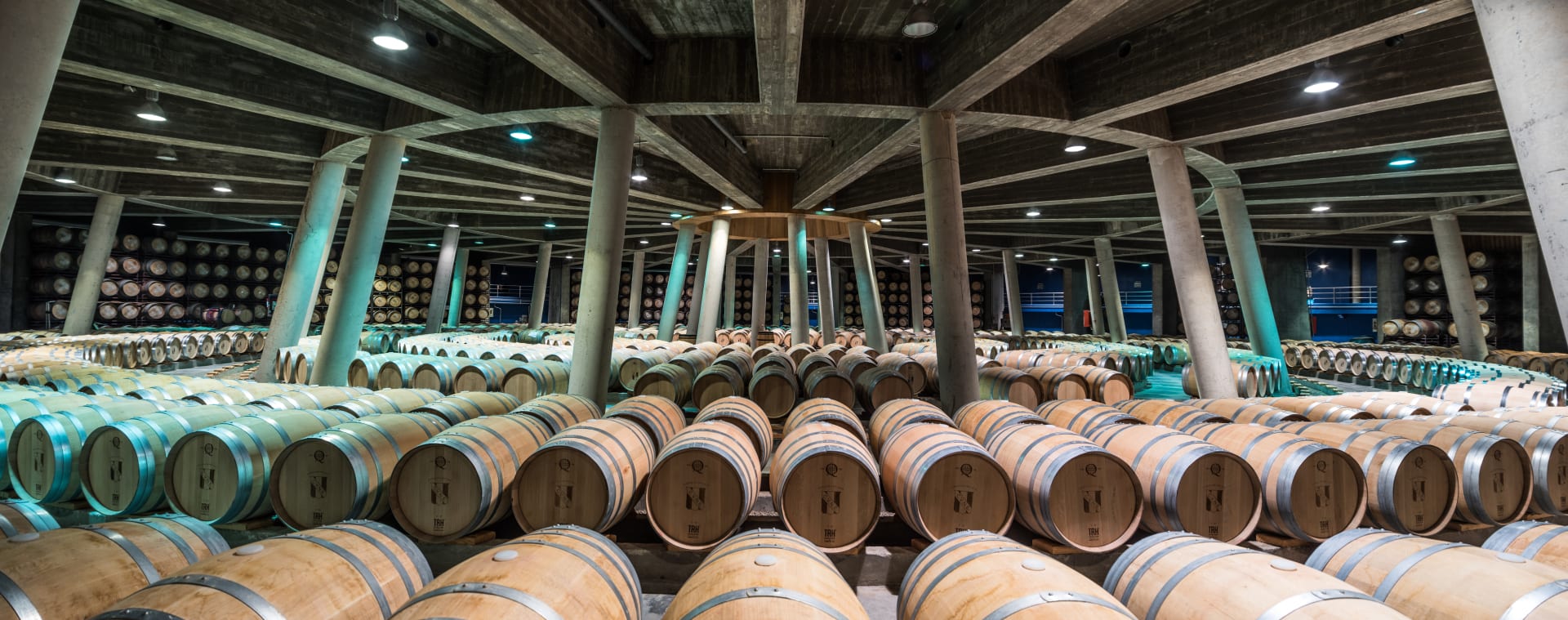


Owned by the CVNE family , Viña Real dates back to 1920. Today this winery is not only a winemaking pioneer in ageing Rioja Alavesa but a timeless brand that has always remained faithful to its roots, with authenticity and sincerity at the fore.
Ever since then, a meticulous balance between tradition and modernity has defined the shape and content of Viña Real.
2004 saw the inauguration of the new Viña Real winery in Laguardia, where the whole process takes place from receiving the grapes to dispatching bottled wines.
Rioja Alavesa grapes are at the very heart of this winery. The winery’s name was inspired by the proximity of its vineyards to the old Camino Real. Clinging to this same patch of earth and blending into the Cerro de la Mesa hill is a monumental 30,000-square metre vat: this is the Viña Real building, an iconic design built in 2004 that masterfully blends the construction into the Riojan terrain.

Hailed as the star red variety in Spain’s most celebrated wine region, Tempranillo from Rioja, or simply labeled, “Rioja,” produces elegant wines with complex notes of red and black fruit, crushed rock, leather, toast and tobacco, whose best examples are fully capable of decades of improvement in the cellar.
Rioja wines are typically a blend of fruit from its three sub-regions: Rioja Alta, Rioja Alavesa and Rioja Oriental, although specific sub-region (zonas), village (municipios) and vineyard (viñedo singular) wines can now be labeled. Rioja Alta and Alavesa, at the highest elevations, are considered to be the source of the brightest, most elegant fruit, while grapes from the warmer and drier, Rioja Oriental, produce wines with deep color, great body and richness.