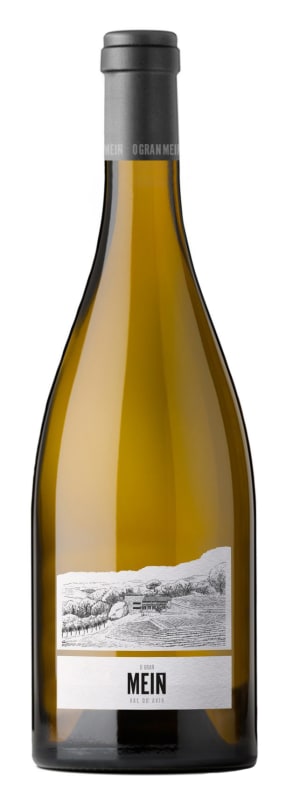


Winemaker Notes
A wine that expresses the exuberance of the Ribeiro landscape and its surroundings. The Viña Meín vineyard plots are a mosaic of pieces that make up an exceptional varietal richness, a unique wine and cultural heritage. Incredibly complex, this medium-bodied and energetic white offers fresh and delicate citrus, stone fruit and floral aromas. Lively, round and elegant on the palate with a crisp acidity that balances the fruits and structure.
Professional Ratings
-
Vinous
The 2021 Gran Mein from Val do Avia in Ribeiro blends Treixadura, Lado, Godello, Albariño, Caíño Blanco, Torrontés and Loureira, offering moderate intensity, freshness and volume. Light yet textured, it balances richness and fragility and promises to evolve in the bottle.
-
Robert Parker's Wine Advocate
The top of the range in white is the 2021 O Gran Mein, which aims to express the place of Mein, where wine has been made since 1158 (documented). The vines are now 20 years old, and the soils are granite. Each variety (Treixadura, Godello, Albariño, Torrontés, Loureira, Caíño Blanco and Lado) and plot fermented separately, which meant some very small lots, which are blended in May and bottled in November. The full clusters are pressed and the juice fermented in different containers (stainless steel, concrete, clay and glass), where the wines matured. The blend has 12% alcohol and balancing acidity and freshness. It's elegant and subtle, very clean and precise, with crystalline purity, a vibrant palate and a tasty herbal finish.
Rating: 93+ -
James Suckling
A fresh and tangy white with incisive aromas of smoky flint, dried herbs, lime and green stone fruit. Nervy and bone-dry on the palate with a textured, medium body and a supple, round finish, highlighting purity and tension. Delicious now.
-
Wine Spectator
A light- to medium-bodied white, with a plush feel on the palate, this is trimmed nicely by well-cut acidity and a streak of sculpting salinity. Offers flavors of ripe pear and persimmon fruit, grilled macadamia nut, flint and fresh hay, with notes of herbs and spices lingering on the finish. Treixadura, Albariño, Loureiro, Godello and Torrontés.

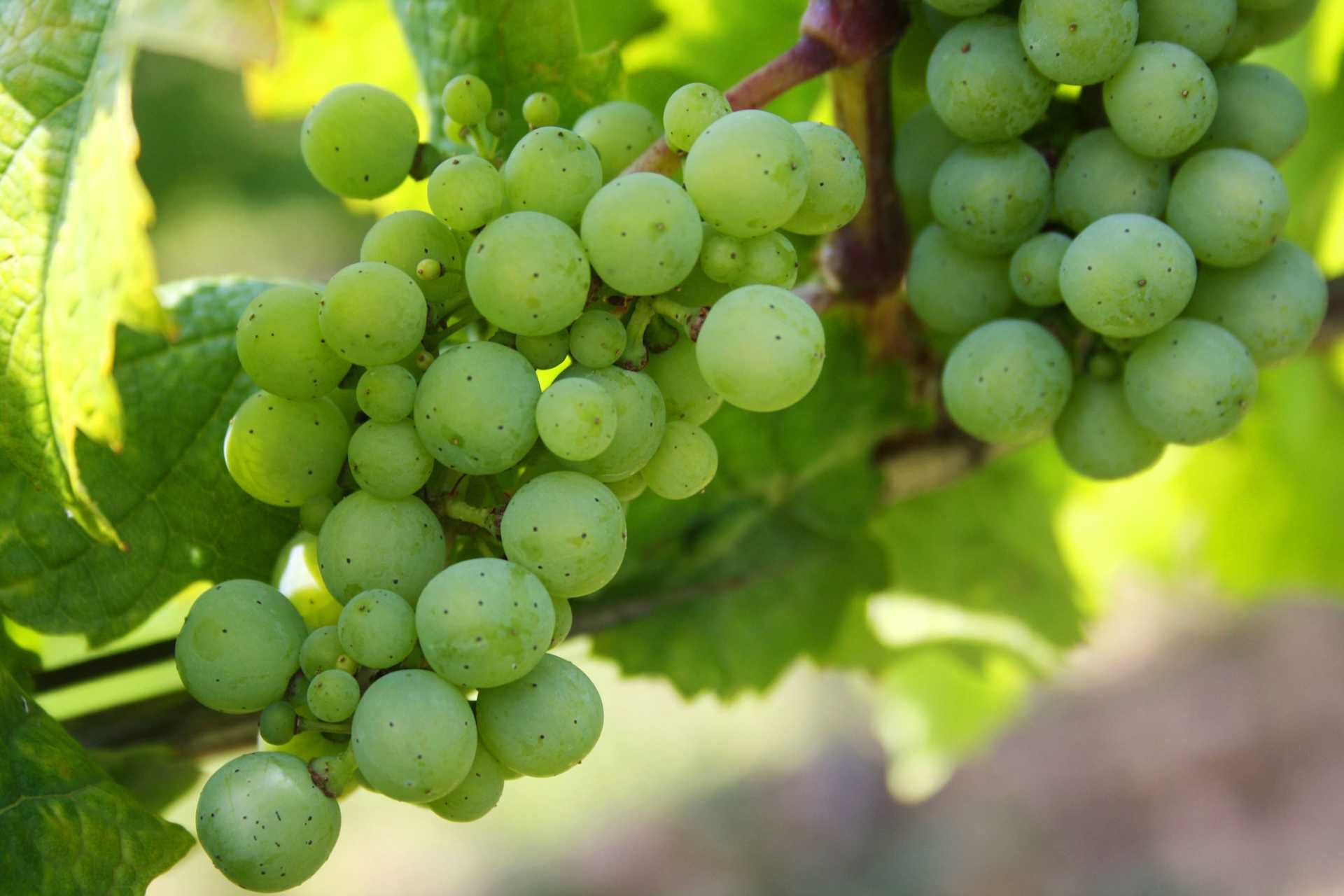
With hundreds of white grape varieties to choose from, winemakers have the freedom to create a virtually endless assortment of blended white wines. In many European regions, strict laws are in place determining the set of varieties that may be used in white wine blends, but in the New World, experimentation is permitted and encouraged. Blending can be utilized to enhance balance or create complexity, lending different layers of flavors and aromas. For example, a variety that creates a soft and full-bodied white wine blend, like Chardonnay, would do well combined with one that is more fragrant and naturally high in acidity. Sometimes small amounts of a particular variety are added to boost color or aromatics. Blending can take place before or after fermentation, with the latter, more popular option giving more control to the winemaker over the final qualities of the wine.

Located in the central and southern part of the northwest Spanish region of Galicia, Ribeiro is experiencing a revival thanks to the distinctive wines they produce with native red and white grapes. White wine accounts for 85% of all production in the region with principal white grape varieties as Treixadura, Albariño, Godello, Torrontés and Loureira. Ribeiro’s red grape varieties are Caiño Longo, Caiño Tinto, Caiño Bravo, Ferrón, Sousón, Brancellao and Mencía. Ribeiro's red wines are not quite as popular their white counterparts. The region obtained DO status in 1932.
Immense innovation and investment are now evident throughout the DO, both in the large cooperatives and in the smaller bodegas. An interesting aspect of the area is that many small, independent producers called colleteiros, make wine traditionally from their own grapes.