


Winemaker Notes
A delicious white wine with a renewed image made from the traditional coupage of local varieties: Treixadura, Torrontés, Albariño, Godello,Loureira, Caíño Blanco and Lado. A freshness infused with evocative aromas. A well-orchestrated harmony of citrus fruits and flowers in perfect balance on the nose. Intense, delicate and pure on the palate.
Blend: 80% Treixadura, 20% Other White Varieties
Professional Ratings
-
Vinous
The 2019 Gran Mein from Val do Avia in Ribeiro, based on Treixadura, Lado, Godello, Albariño, Caíño Blanco, Torrontés and Loureira, shows reductive notes of phosphorus, white fruit, anise, apple, roasted pineapple, lime and bay leaf. Dry, broad and textured, it combines creaminess, length and concentration.
-
James Suckling
A typical Ribeiro white blend that shows flintiness without any sign of evolvement. Wet stones, chopped herbs, green stone fruit and a touch of cream on the nose. Pretty ample, with a medium to full body and a long, phenolic finish. Still pure and transparent.
-
Robert Parker's Wine Advocate
The grand vin 2019 O Gran Mein is a blend of different varieties and vineyards that represents the best they have in white, fermenting each variety by plot, which gives them a lot of lots to make a blend. The idea is to achieve something that is complex but delicate rather than intense. It achieved 13% alcohol while it kept a pH of 3.34 and 6.29 grams of acidity, blending wines that fermented in stainless steel, concrete, foudre and 600-liter barrel and matured in tank for 14 months. It has aromatic complexity and depth and is elegant and nuanced, with herbal, balsamic and spicy aromas and the inland, river character. The palate is really balanced, and the mouthfeel is terribly stony, with a drying finish.
-
Tasting Panel
A blend of indigenous grapes including Treixadura, Torrontés, Albariño, Loureira, and Godello make this white blend so special. Nutty notes are well-framed in a wet stone-saltiness. Lively notes of lemon cookies and buttercup shine. Beautifully crafted with a keen acidity and an unctuous mouthfeel.
-
Wine Enthusiast
Deep straw to the eye, this wine has a nose of clementine and jasmine. Bright on entry, it offers flavors of grapefruit, pineapple, lemon and rose petal leading to a lively finish.

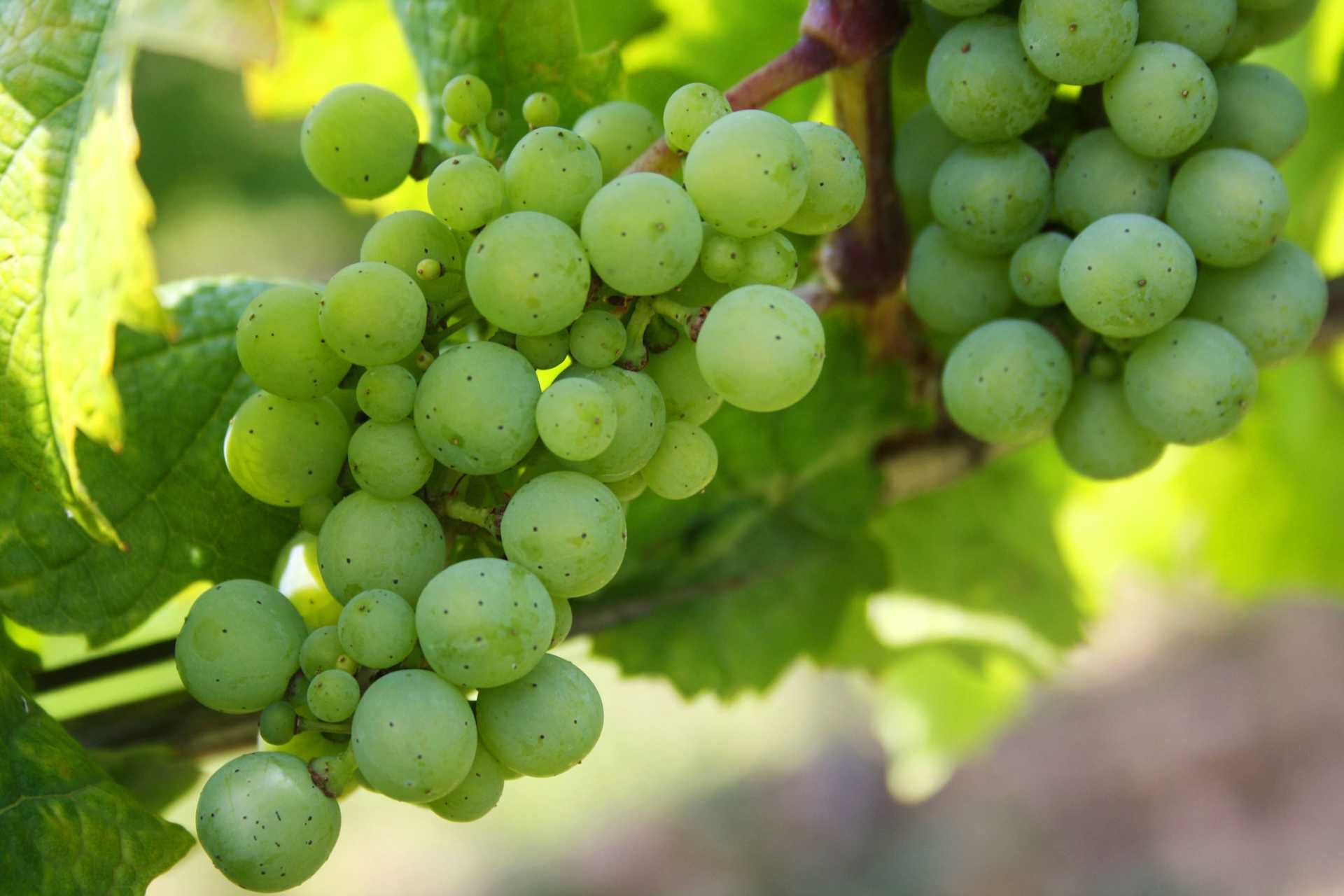
With hundreds of white grape varieties to choose from, winemakers have the freedom to create a virtually endless assortment of blended white wines. In many European regions, strict laws are in place determining the set of varieties that may be used in white wine blends, but in the New World, experimentation is permitted and encouraged. Blending can be utilized to enhance balance or create complexity, lending different layers of flavors and aromas. For example, a variety that creates a soft and full-bodied white wine blend, like Chardonnay, would do well combined with one that is more fragrant and naturally high in acidity. Sometimes small amounts of a particular variety are added to boost color or aromatics. Blending can take place before or after fermentation, with the latter, more popular option giving more control to the winemaker over the final qualities of the wine.

Located in the central and southern part of the northwest Spanish region of Galicia, Ribeiro is experiencing a revival thanks to the distinctive wines they produce with native red and white grapes. White wine accounts for 85% of all production in the region with principal white grape varieties as Treixadura, Albariño, Godello, Torrontés and Loureira. Ribeiro’s red grape varieties are Caiño Longo, Caiño Tinto, Caiño Bravo, Ferrón, Sousón, Brancellao and Mencía. Ribeiro's red wines are not quite as popular their white counterparts. The region obtained DO status in 1932.
Immense innovation and investment are now evident throughout the DO, both in the large cooperatives and in the smaller bodegas. An interesting aspect of the area is that many small, independent producers called colleteiros, make wine traditionally from their own grapes.