


Winemaker Notes
Red violet color. On the nose it is expressive and fresh, with floral notes, cherries and hints of vanilla. Subtle tannins and on the palate it is elegant, refined and lively.
Professional Ratings
-
James Suckling
Clear and bright with purple fruit, fresh flowers and some stems. Dried flowers, too. Full-bodied and vibrant. Fresh and refined with richness at the same time. Serious, but flamboyant. A small amount is whole-cluster fermentation. Drink or hold.
-
Tasting Panel
The 2019 Malbec Vinculum is a blend of grapes from the Uco Valley and Lujan de Cuyo (18%), and was 39% aged in new barrels. Dark purple in the glass. The nuanced nose veers between a liqueur-like and floral character. It offers notes of ripe plum, white pepper and hints of olives, bay leaf, and lavender followed by cedar aromas. Creamy and unctuous with an expansive flow that grows lighter on its feet as goes on to really take over the mouth. The delicate freshness maintains the energy levels right through to the long finish in which the fruity flavors return. An intricate wine.
-
Wine Spectator
Throws off an elegant, powdery floral note amid blueberry pastry and cherry preserves, with vanilla and spice notes joining in around a subtle tug of tannins and notes of cocoa powder.
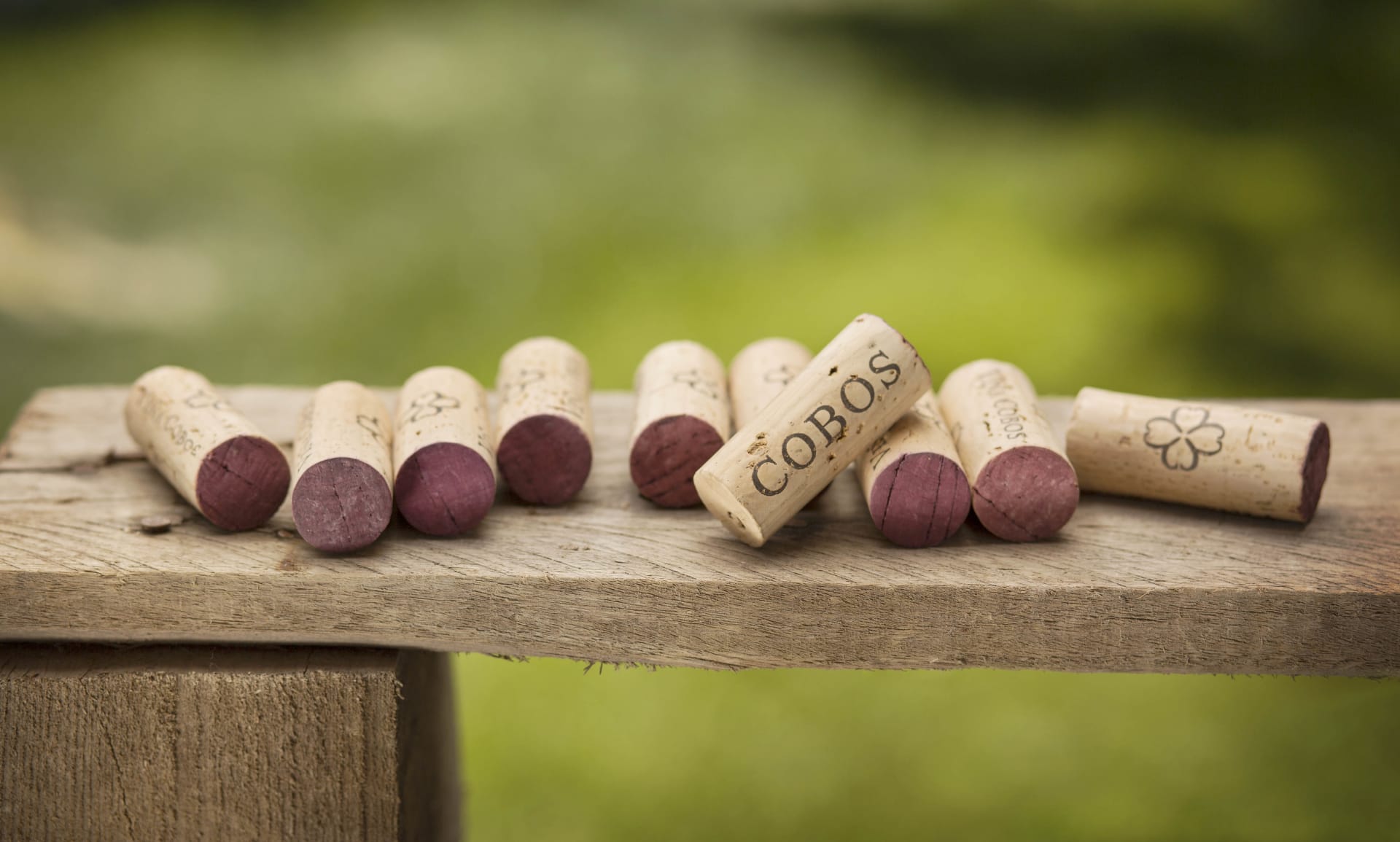



Viña Cobos makes wines that are authentic expressions of the terroir from which they come. Paul Hobbs, founding partner and winemaker at Viña Cobos, has worked since 1988 in the exploration of the different terroirs of Mendoza, looking for the most distinguished regions in Luján de Cuyo and the Valle de Uco, to produce wines that uniquely express their origins.
Sustainable farming methods in the vineyard contribute to consistent yields of healthy fruit. In the winery, careful treatment of the grapes and meticulous winemaking techniques result in complex and elegant wines of subtlety and balance.
With the inaugural vintage of Cobos Malbec in 1999, Viña Cobos marked a milestone in viticulture, defying existing standards and firmly positioned Malbec and Argentina on the international wine scene. Since then, our prestigious wines have been recognized around the globe by critics and consumers alike.

Celebrated for its bold flavors and supple texture, Malbec has enjoyed runaway success in Argentina since the late 20th century. The grape originated in Bordeaux, France, where it historically contributed color and tannin to blends. A French agronomist, who saw great potential for the variety in Mendoza’s hot, high-altitude landscape, brought Malbec to Argentina in 1868. Somm Secret—If you’re trying to please a crowd, Malbec is generally a safe bet with its combination of dense fruit and soft tannins.

By far the largest and best-known winemaking province in Argentina, Mendoza is responsible for over 70% of the country’s enological output. Set in the eastern foothills of the Andes Mountains, the climate is dry and continental, presenting relatively few challenges for viticulturists during the growing season. Mendoza, divided into several distinctive sub-regions, including Luján de Cuyo and the Uco Valley, is the source of some of the country’s finest wines.
For many wine lovers, Mendoza is practically synonymous with Malbec. Originally a Bordelaise variety brought to Argentina by the French in the mid-1800s, here it found success and renown that it never knew in its homeland where a finicky climate gives mixed results. Cabernet Sauvignon, Syrah, Merlot and Pinot Noir are all widely planted here as well (and sometimes even blended with each other or Malbec). Mendoza's main white varieties include Chardonnay, Torrontés, Sauvignon Blanc and Sémillon.