


Winemaker Notes
Yellow pale color. On the nose it presents aromas of pear, green apple and grapefruit. It's very well balanced with a good palate and crisp acidity.
Professional Ratings
-
Vinous
The 2024 Chardonnay Felino is sourced equally from Uco Valley and Luján de Cuyo, with a small portion aged for six months in barrel. Aromas of stewed apple, pear, chamomile and ginger rise from the glass. Broad, rich and flavorful, yet agile, this finishes with inviting wood notes. The 2024 is straightforward and indulgent, with ample flavor intensity.
-
James Suckling
This shows sliced green apples with a touch of ginger and dried pineapple. The palate is round and pleasant with good volume and a fruit-forward finish. A small portion (7%) is aged in French oak barrels. No malolactic fermentation.
-
Tasting Panel
Aromas: Pineapple, gardenia, ocean breeze From select vineyards in the Luján de Cuyo and Valle de Uco appellations comes this refreshingly lithe and wispy white with chiseled mineral tones. Salty air surrounds notes of tropical flowers and papaya as mango and lime chiffon laced with saffron and white pepper awaken the senses. Acidity streaks across the palate and leaves a zing on the finish.
-
Robert Parker's Wine Advocate
Vinified in stainless tanks and matured for six months in French oak, the 2024 Felino Chardonnay leads with a pretty nose of orchard fruits, citrus zest and dried herbs. The palate is slender and focused, concluding with a pure, zesty finish supported by calibrated textural breath.
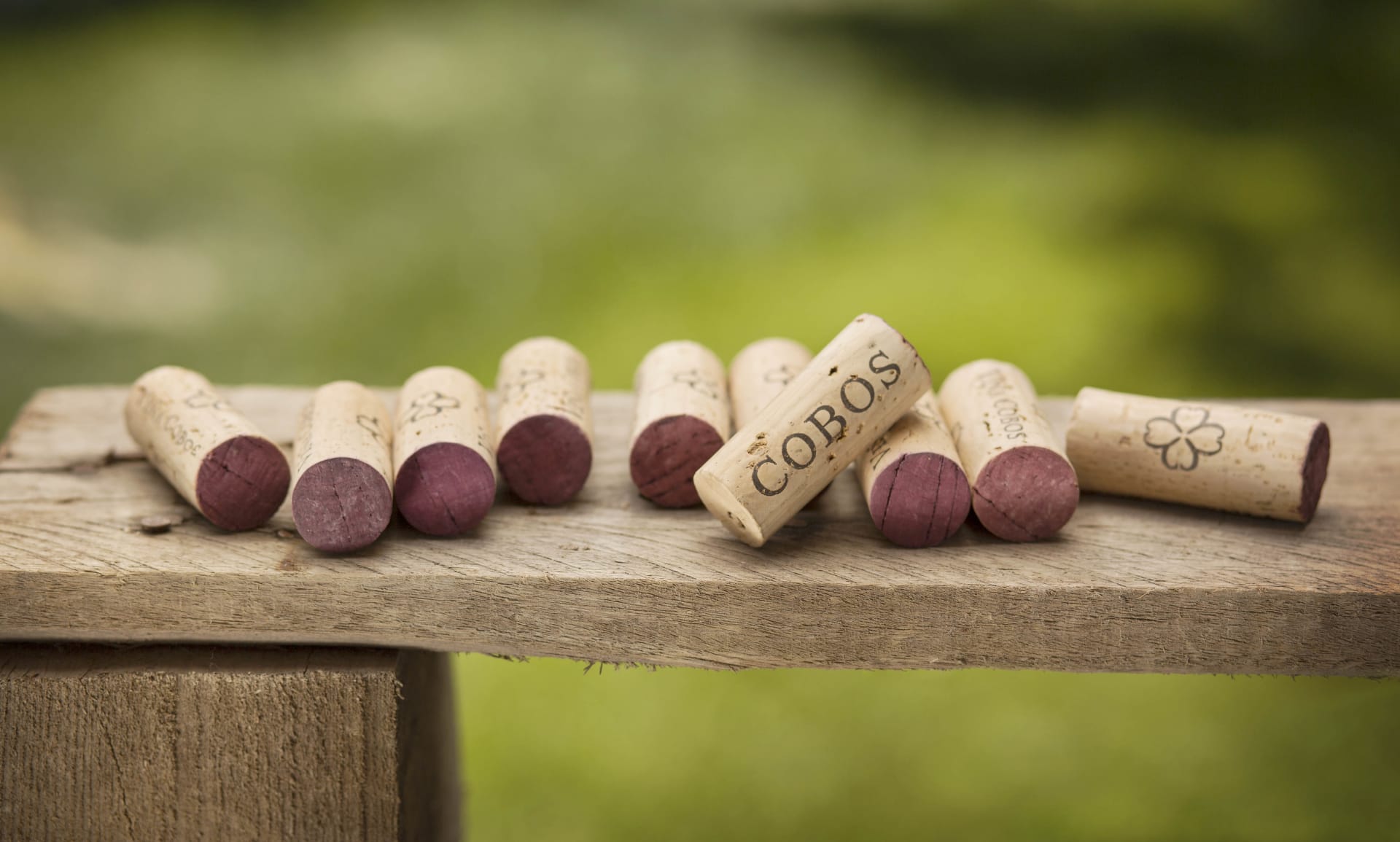



Viña Cobos makes wines that are authentic expressions of the terroir from which they come. Paul Hobbs, founding partner and winemaker at Viña Cobos, has worked since 1988 in the exploration of the different terroirs of Mendoza, looking for the most distinguished regions in Luján de Cuyo and the Valle de Uco, to produce wines that uniquely express their origins.
Sustainable farming methods in the vineyard contribute to consistent yields of healthy fruit. In the winery, careful treatment of the grapes and meticulous winemaking techniques result in complex and elegant wines of subtlety and balance.
With the inaugural vintage of Cobos Malbec in 1999, Viña Cobos marked a milestone in viticulture, defying existing standards and firmly positioned Malbec and Argentina on the international wine scene. Since then, our prestigious wines have been recognized around the globe by critics and consumers alike.

One of the most popular and versatile white wine grapes, Chardonnay offers a wide range of flavors and styles depending on where it is grown and how it is made. While it tends to flourish in most environments, Chardonnay from its Burgundian homeland produces some of the most remarkable and longest lived examples. California produces both oaky, buttery styles and leaner, European-inspired wines. Somm Secret—The Burgundian subregion of Chablis, while typically using older oak barrels, produces a bright style similar to the unoaked style. Anyone who doesn't like oaky Chardonnay would likely enjoy Chablis.

By far the largest and best-known winemaking province in Argentina, Mendoza is responsible for over 70% of the country’s enological output. Set in the eastern foothills of the Andes Mountains, the climate is dry and continental, presenting relatively few challenges for viticulturists during the growing season. Mendoza, divided into several distinctive sub-regions, including Luján de Cuyo and the Uco Valley, is the source of some of the country’s finest wines.
For many wine lovers, Mendoza is practically synonymous with Malbec. Originally a Bordelaise variety brought to Argentina by the French in the mid-1800s, here it found success and renown that it never knew in its homeland where a finicky climate gives mixed results. Cabernet Sauvignon, Syrah, Merlot and Pinot Noir are all widely planted here as well (and sometimes even blended with each other or Malbec). Mendoza's main white varieties include Chardonnay, Torrontés, Sauvignon Blanc and Sémillon.