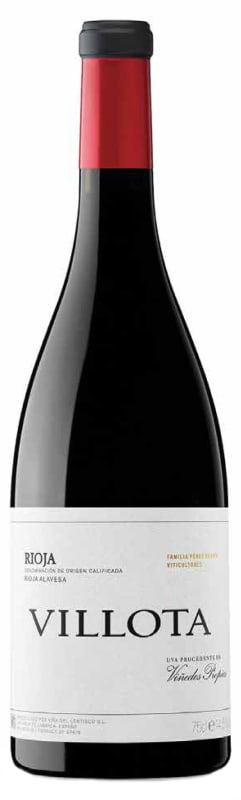


Winemaker Notes
Traditional dry-farmed manual viticulture, without the use of systemic herbicides, fungicides, pesticides, or fertilizers. Vines cultivated primarily “en vaso” or goblet style head trained vines. The grapes are fully destemmed following a rigorous sorting process. The different varieties ferment spontaneously separately in stainless steel tanks. The blend is assembled and the wine is racked to French oak barrique where the wine undergoes spontaneous malolactic fermentation. The wine is aged in fine grain French oak barrique for 18 months followed by6 months in concrete vat before bottling.
Professional Ratings
-
Wine Enthusiast
A nose of black currant and caramel prepares the palate for flavors of black cherry, raspberry, cocoa powder, licorice and violet. Satin tannins and a light note of mint stroll off into a pleasing finish.
-
James Suckling
A rich, dense yet tangy Rioja with spiced cherries, chocolate and a cedary undertone. Concentrated and full-bodied on the palate framed by compact, firm tannins that extend to a long, lightly chewy finish.


Hailed as the star red variety in Spain’s most celebrated wine region, Tempranillo from Rioja, or simply labeled, “Rioja,” produces elegant wines with complex notes of red and black fruit, crushed rock, leather, toast and tobacco, whose best examples are fully capable of decades of improvement in the cellar.
Rioja wines are typically a blend of fruit from its three sub-regions: Rioja Alta, Rioja Alavesa and Rioja Oriental, although specific sub-region (zonas), village (municipios) and vineyard (viñedo singular) wines can now be labeled. Rioja Alta and Alavesa, at the highest elevations, are considered to be the source of the brightest, most elegant fruit, while grapes from the warmer and drier, Rioja Oriental, produce wines with deep color, great body and richness.