


Winemaker Notes
Clear, intense yellow color with green hues. On the nose fruit scents of pear and peach and floral nuances of acacia and hawthorn. Typical honey notes. After 2-3 years, the mineral notes are more intense and sometimes emphasized by the typical scent of hydrocarbon which refines the wine. On the palate the wine is dry, warm, soft, and very well balanced, without any edges. It has a long lingering finish with good fresh acidity.
Blend: 100% Timorasso
Professional Ratings
-
Robert Parker's Wine Advocate
The Vietti 2022 Colli Tortonesi Timorasso Derthona Boscogrosso represents a special selection of fruit from a hillside slope with southwest exposures on sandy soils. This is a generous expression of this promising grape, which has extra textural heft and layering in a hot vintage such as this. It shows a pretty sense of inner balance that could not have been easy to achieve. I tasted this wine months before its commercial release, and it had already started to flesh out.
-
Wilfred Wong of Wine.com
When did you last try Timorasso? This wine was my first, and I was pleasantly surprised. It shows aromas and flavors of ripe peaches, fragrant spices, and dried leaves. Enjoy it with freshly made crab salad. (Tasted: December 13, 2024, San Francisco, CA)
-
Wine Enthusiast
This classic Timorasso showcases a distinctive herbal edge, with layers of aromas and flavors. The nose offers crisp green apple and lemon pith, hinting at the wine's vibrant character. On the palate, the green-apple notes become more pronounced, with a tart quality that adds to the freshness. The lemon pith brings a bitter, zesty dimension, complementing the wine's herbal undertones, which evoke sensations of freshly crushed thyme and sage. These flavors intertwine seamlessly, creating a complex and textured experience that highlights the unique attributes of the Timorasso grape. Drink now–2035.
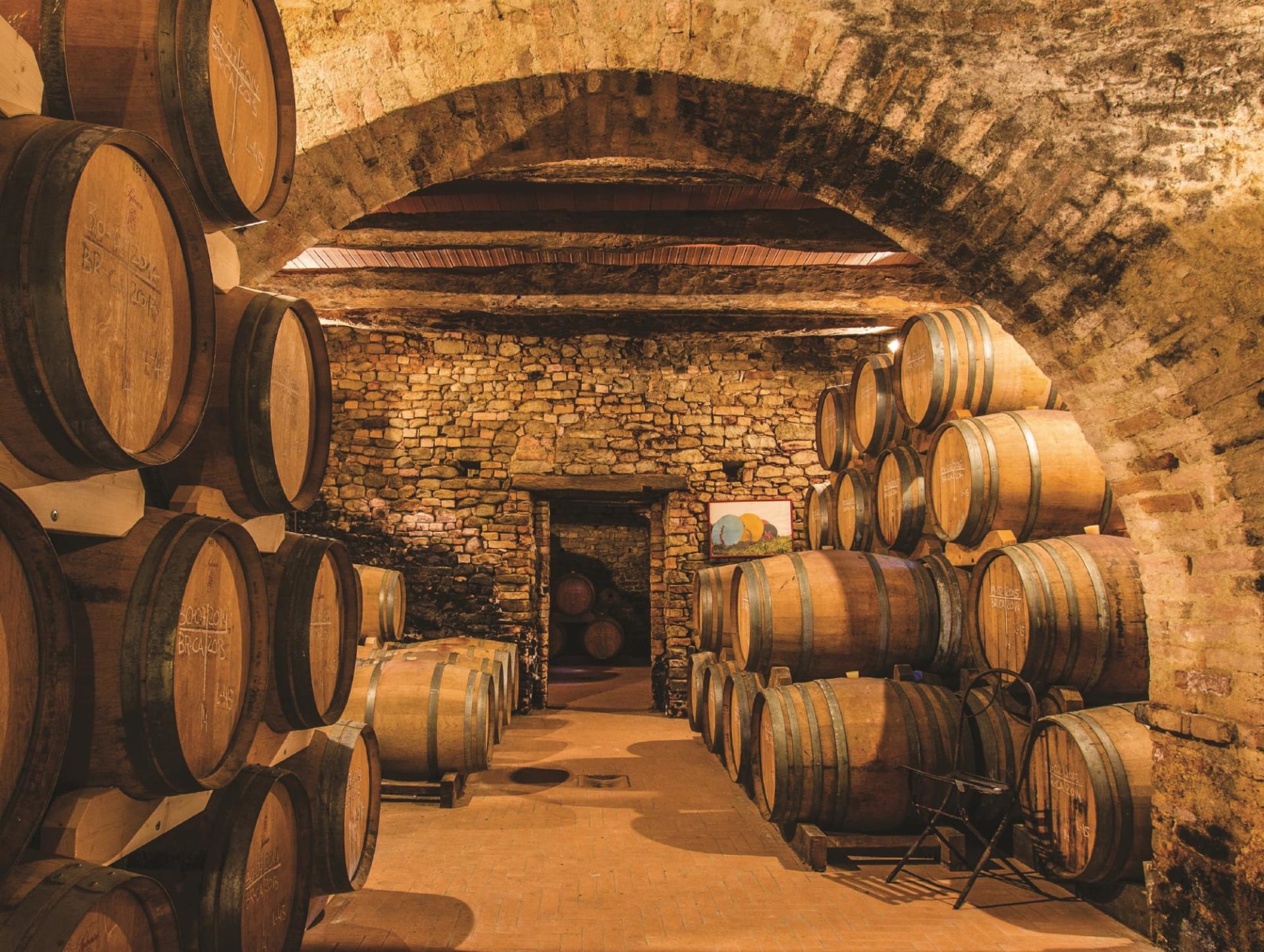



Located in the heart of the Langhe hills, at the top of the village of Castiglione Falletto, the Vietti wine cellar was founded in the late 1800's by Carlo Vietti. The estate has gradually grown over the course of time, and today the vineyards include some of the most highly prized terroirs within the Barolo and Barbaresco winegrowing areaS.
Although they have been making wine for four generations, the turning point came in the 1960's when Luciana Vietti married winemaker and art connoisseur Alfredo Currado, whose intuitions - from the production of one of the first Barolo crus (Rocche di Castiglione - 1961), through the single-varietal vinification of Arneis (1967) to the invention of Artist Labels (1974) - made him both symbol and architect of some of the most significant revolutions of the time.
Alfredo’s intellectual, professional, and prospective legacy was taken up by Luca Currado Vietti (Luciana and Alfredo’s son) and his wife Elena, who contributed greatly to the success of the Vietti brand before their departure in 2023. In 2016 the historic winery was acquired by Krause family. Over the last seven year, they have added a number of prized crus to the estate’s holdings. In 2022 the winery was named Winery of the Year by Antonio Galloni of Vinous.
Vietti is universally recognized today as being one of the very finest Italian wine labels - by continuing along the path of the pursuit of quality, considered experimentation and working for expansion and consolidation internationally.

There are hundreds of white grape varieties grown throughout the world. Some are indigenous specialties capable of producing excellent single varietal wines. Each has its own distinct viticultural characteristics, as well as aroma and flavor profiles.

Set upon a backdrop of the visually stunning Alps, the enchanting and rolling hills of Piedmont are the source of some of the country’s longest-lived and most sought-after red wines. Vineyards cover a great majority of the land area—especially in Barolo—with the most prized sites at the top hilltops or on south-facing slopes where sunlight exposure is maximized. Piedmont has a continental climate with hot, humid summers leading to cold winters and precipitation year-round. The reliable autumnal fog provides a cooling effect, especially beneficial for Nebbiolo, Piedmont’s most prestigious variety.
In fact, Nebbiolo is named exactly for the arrival of this pre-harvest fog (called “nebbia” in Italian), which prolongs cluster hang time and allows full phenolic balance and ripeness. Harvest of Nebbiolo is last among Piedmont's wine varieties, occurring sometime in October. This grape is responsible for the exalted Piedmont wines of Barbaresco and Barolo, known for their ageability, firm tannins and hallmark aromas of tar and roses. Nebbiolo wines, despite their pale hue, pack a pleasing punch of flavor and structure; the best examples can require about a decade’s wait before they become approachable. Barbaresco tends to be more elegant in style while Barolo is more powerful. Across the Tanaro River, the Roero region, and farther north, the regions of Gattinara and Ghemme, also produce excellent quality Nebbiolo.
Easy-going Barbera is the most planted grape in Piedmont, beloved for its trademark high acidity, low tannin and juicy red fruit. Dolcetto, Piedmont’s other important red grape, is usually ready within a couple of years of release.
White wines, while less ubiquitous here, should not be missed. Key Piedmont wine varieties include Arneis, Cortese, Timorasso, Erbaluce and the sweet, charming Muscat, responsible for the brilliantly recognizable, Moscato d'Asti.