


Winemaker Notes
Intense yellow color with a tinge of green, this wine showcases beautiful aromatics on the nose, including acacia flowers and ripe fruit. The wine has high acidity and strong minerality with an almost savory and defined finish.
Derthona has tremendous aging potential and can be matched with a wide variety of food, including seafood, pork, and even steak tartare.
Professional Ratings
-
James Suckling
A layered white with aromas of straw, quince, stone fruit and smoke. Savory and medium-bodied, it shows vibrancy, a full-flavored palate, a tight-knit structure and a good, lemony finish. Drink or hold.
-
Wine Enthusiast
Rich aromatics pull you in, peach and white flowers in full bloom, but then the wine pivots. What promised opulence delivers precision instead: bright citrus, tart stone fruit, and that electric mineral finish like summer rain hitting stones. A wine that knows how to make an entrance, then proves it has the structure to back it up.
-
Wine Spectator
A fresh, elegant style, boasting lemon, jasmine, pine and salty mineral flavors. Driven by bracing acidity and converges on the kaleidoscopic finish. Terrific length.


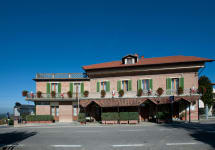
Viberti, located in the village of Barolo in the northern Italian region of Piedmont, was founded in the early 20th century by Antonio Viberti, an innkeeper and restauranteur. Wine was produced from the estate vineyards exclusively for the patrons of the family restaurant, Trattoria al Buon Padre.
In 1967, ata time when Barolo wines were gaining international notoriety, Antonio's son, Giovanni, joined the family business and realized the potential of the estate vineyards to produce superior quality, world-class Barolo. After selling wines to restaurant patrons, who came from far and wide to enjoy the local cuisine, the reputation of Viberti Barolo spread leading to demand beyond Piedmont.
One hundred years after the creation of the Viberti winery, the family's connection to their beloved land of Barolo and its fine red wines remains unbroken as the 3rd generations of the Viberti family, GianLuca and Claudio, joined their father at the winery. Today, under the direction of Claudio, the winery produces varietally accurate, elegantly structured wines with fresh fruit aromas, bold tannins, and vibrant acidity that are approachable upon release, yet reward extensive aging.

There are hundreds of white grape varieties grown throughout the world. Some are indigenous specialties capable of producing excellent single varietal wines. Each has its own distinct viticultural characteristics, as well as aroma and flavor profiles.

Set upon a backdrop of the visually stunning Alps, the enchanting and rolling hills of Piedmont are the source of some of the country’s longest-lived and most sought-after red wines. Vineyards cover a great majority of the land area—especially in Barolo—with the most prized sites at the top hilltops or on south-facing slopes where sunlight exposure is maximized. Piedmont has a continental climate with hot, humid summers leading to cold winters and precipitation year-round. The reliable autumnal fog provides a cooling effect, especially beneficial for Nebbiolo, Piedmont’s most prestigious variety.
In fact, Nebbiolo is named exactly for the arrival of this pre-harvest fog (called “nebbia” in Italian), which prolongs cluster hang time and allows full phenolic balance and ripeness. Harvest of Nebbiolo is last among Piedmont's wine varieties, occurring sometime in October. This grape is responsible for the exalted Piedmont wines of Barbaresco and Barolo, known for their ageability, firm tannins and hallmark aromas of tar and roses. Nebbiolo wines, despite their pale hue, pack a pleasing punch of flavor and structure; the best examples can require about a decade’s wait before they become approachable. Barbaresco tends to be more elegant in style while Barolo is more powerful. Across the Tanaro River, the Roero region, and farther north, the regions of Gattinara and Ghemme, also produce excellent quality Nebbiolo.
Easy-going Barbera is the most planted grape in Piedmont, beloved for its trademark high acidity, low tannin and juicy red fruit. Dolcetto, Piedmont’s other important red grape, is usually ready within a couple of years of release.
White wines, while less ubiquitous here, should not be missed. Key Piedmont wine varieties include Arneis, Cortese, Timorasso, Erbaluce and the sweet, charming Muscat, responsible for the brilliantly recognizable, Moscato d'Asti.