

Winemaker Notes
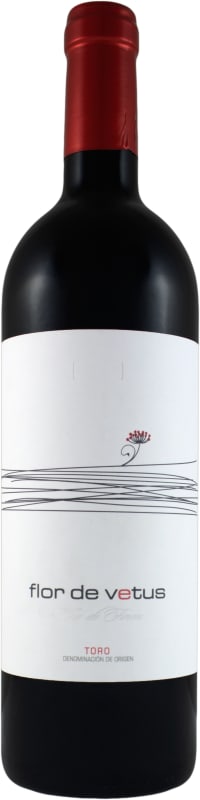
Vetus Flor de Vetus displays a deep cherry color with violet rim. Medium-high intesity in the nose, red and black ripe fruit. You will notice nuances of licorice, spices with a light coffe caramel. The mouth is power full and fresh at the same time. A well structured and perfectly balanced wine with an exquisite after taste.
Professional Ratings
-
James Suckling
A rich but fresh nose with blackberries, stones, graphite and a hint of dried violet. A full-bodied and flavorful Toro with good concentration and freshness, swathed in plenty of fresh, silky tannins. Excellent length.
-
Robert Parker's Wine Advocate
The 2019 Flor de Vetus was a tad riper and the tannins grainier than those of the 2020 that I tasted next to it. It's a warmer year (warmer than both 2018 and 2020) with structure and generous tannin, a little more alcohol and a touch of earthy rusticity. Powerful and better with food. 114,123 bottles and 100 magnums produced.


Notoriously food-friendly, long-lasting and Spain’s most widely planted grape, Tempranillo is the star variety of red wines from Rioja and Ribera del Duero. The Rioja terms Joven, Crianza, Reserva and Gran Reserva indicate both barrel and bottle time before release. Traditionally blended in Rioja with Garnacha, plus a bit of Mazuelo (Carignan) and Graciano, the Tempranillo in Ribera del Duero typically stands alone. Somm Secret—Tempranillo claims many different names depending on location. In Penedès, it is called Ull de Llebre and in Valdepeñas, goes by Cencibel. Known as Tinta Roriz in Portugal, Tempranillo plays an important role in Port wine.

Spain's remote, high elevation Spanish wine zone between the regions of Bierzo and Ribera del Duero produces intense, full-bodied reds made from Tempranillo, locally called Tinta de Toro. This local variant has adapted to the region’s climatic extremes and recognizing its potential, top producers from Ribera del Duero and Rioja have invested heavily in its vineyards.